
Few things are more discouraging than sticking with a retinoid regimen for months and watching your skin get worse before it gets better — or seem to plateau, or flare up again after a period of improvement. If you’re using adapalene, tretinoin, or a similar retinoid and feeling like it isn’t working, you’re not alone, and there are usually identifiable reasons behind it.
The “Purge” Is Real, But It Shouldn’t Last Forever
Retinoids like adapalene speed up skin cell turnover, which can temporarily push underlying microcomedones to the surface faster — a phenomenon commonly called “purging.” According to the American Academy of Dermatology, this initial worsening typically resolves within about 4 to 6 weeks as the skin adjusts. If breakouts are still increasing or new after several months of consistent use, that’s less likely to be a purge and more likely a sign the regimen needs adjustment — which is exactly the kind of change worth discussing with a dermatologist rather than guessing at.
Overloading Your Routine Can Work Against the Retinoid
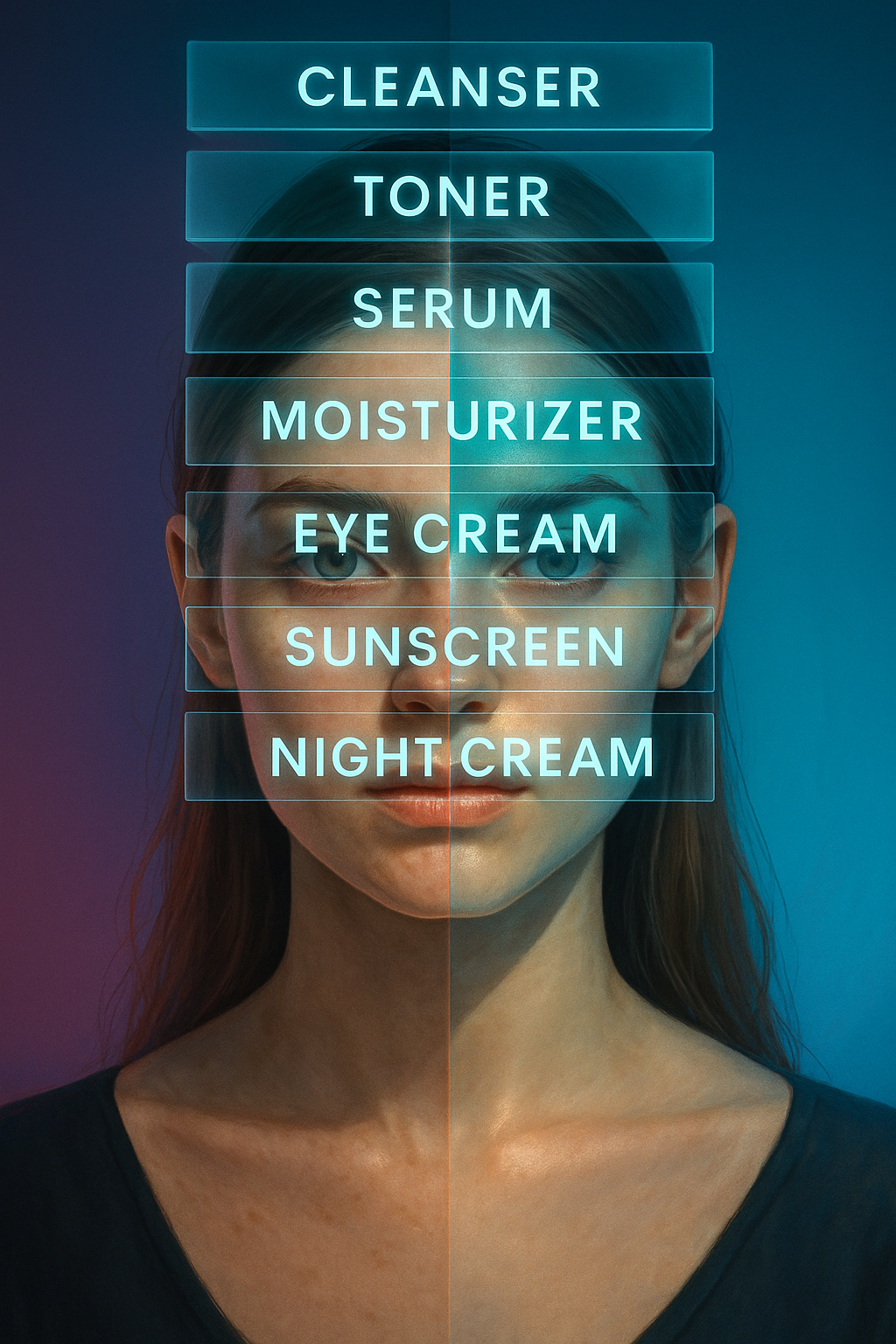
A skincare routine with many actives and layered products — multiple cleansers, hydration serums, barrier creams, and sunscreen stacked around a retinoid — can sometimes irritate the skin barrier or dilute the retinoid’s effectiveness, even when every individual product seems gentle. Cleveland Clinic explains that a compromised skin barrier is more prone to inflammation and can make acne appear to worsen or resist treatment. Simplifying to a small, consistent core routine (gentle cleanser, retinoid, moisturizer, sunscreen) is a commonly recommended way to give a retinoid a fair, uncomplicated trial.
Retinoids Take Longer Than Most People Expect
Visible improvement from a retinoid alone often takes 3 to 6 months of consistent use, and some sources note it can take up to a year to see the full effect, per guidance summarized by the National Library of Medicine. That timeline can feel discouraging in the moment, especially with a temporary setback, but a plateau or short flare-up at four to six months doesn’t necessarily mean the treatment has failed.
When It’s Worth Seeing a Dermatologist
If acne hasn’t meaningfully improved after several months of consistent, correctly-applied retinoid use, or if it’s worsening rather than fluctuating, a dermatologist can assess whether a different formulation, strength, or an entirely different treatment approach (including options like combination topicals or, for some patients, oral medications) makes more sense. Persistent or worsening acne can also occasionally point to hormonal or other underlying factors that a retinoid alone won’t address, which is something only an in-person evaluation can properly sort out.
For a broader look at how long acne treatment realistically takes to work and what a dermatologist weighs at a follow-up visit, see this companion guide on acne-treatment timelines.
This article is for general educational purposes and is not a substitute for professional medical advice. If your acne isn’t improving, consult a dermatologist about a treatment plan suited to your skin.
— Gemifys