Updated September 2026 — this article now includes a section on two experimental acne treatments moving through late-stage trials. See the full breakdown at New Acne Treatments in the Pipeline.
It’s genuinely discouraging to stick with an acne treatment plan for months and still feel like nothing is working. If you’re using a combination like adapalene, benzoyl peroxide, and doxycycline as directed and progress feels slow or stalled, you’re not doing anything wrong just by asking questions — acne treatment is often a long, imperfect process, even when it’s eventually successful.
Why acne treatment takes time
Skin cell turnover and the acne cycle itself work on a timeline of weeks, not days. According to the American Academy of Dermatology, most acne treatments need to be used consistently for at least 4 to 8 weeks before any real improvement is visible, and it can take up to three months to see the full effect of a given regimen. Topical retinoids like adapalene in particular often cause an initial “purge” period where existing microcomedones surface faster, which can look like things are getting worse before they get better.
When “not getting better” might mean the plan needs adjusting
Consistent use for two to three months with no improvement at all — as opposed to slow improvement — is a reasonable signal to revisit the plan with your dermatologist. A few things dermatologists commonly consider at that point, per Mayo Clinic and Cleveland Clinic resources on acne management:
- Whether the acne type (inflammatory, cystic, hormonal, comedonal) matches the treatment approach, since different acne presentations respond differently to the same regimen.
- Whether irritation from combining multiple actives (like a retinoid plus benzoyl peroxide plus an antibiotic) is undermining consistency, since irritation often leads people to skip applications.
- Whether a longer course, a different antibiotic, or a non-antibiotic option like spironolactone (for hormonal acne in some patients) might be a better fit.
- Whether isotretinoin (Accutane) is worth discussing for acne that hasn’t responded to multiple standard treatments — this is a dermatologist-only decision given the monitoring it requires.
What can help in the meantime
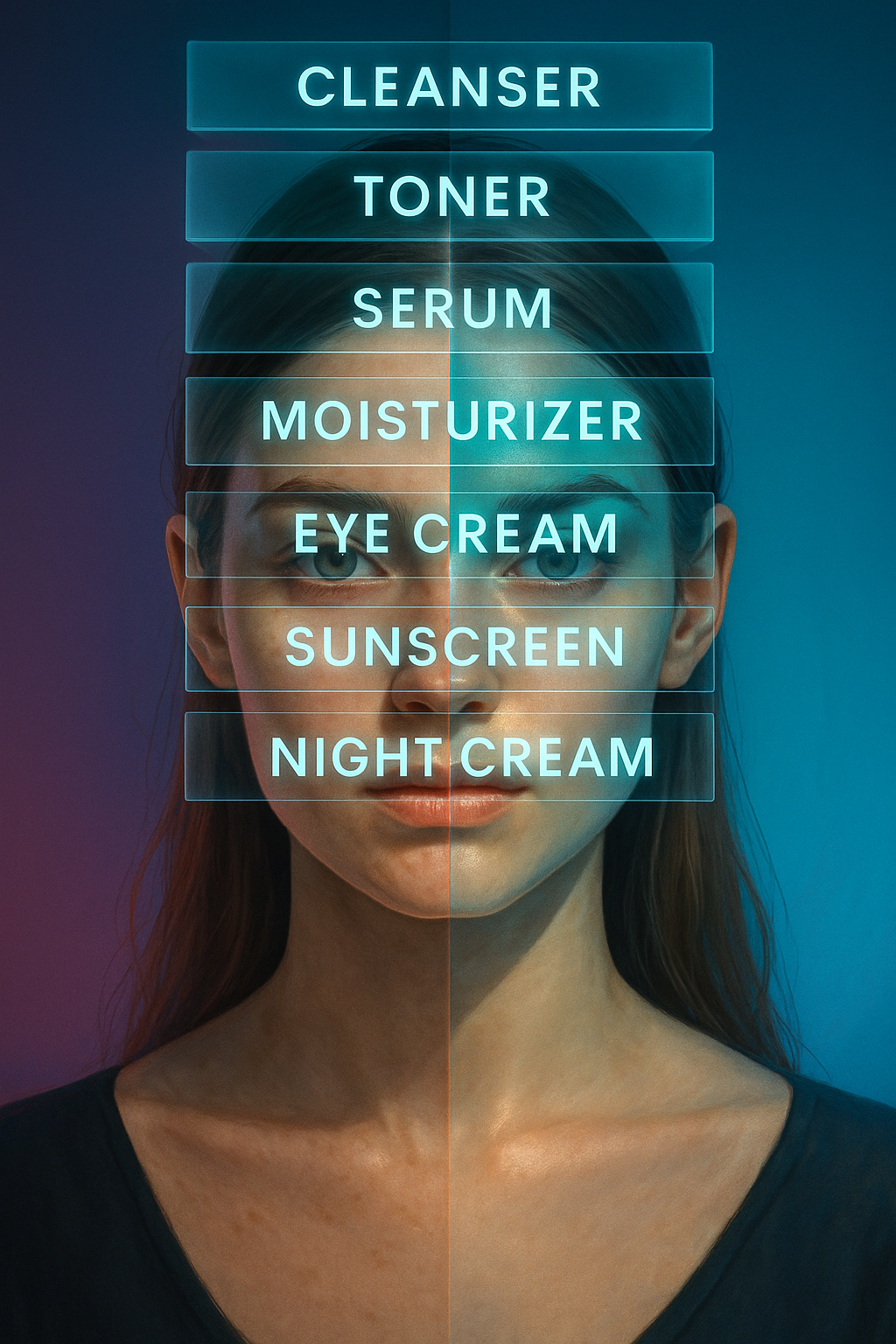
Simplifying the rest of your routine (a gentle cleanser, non-comedogenic moisturizer, and daily sunscreen) reduces the chance that something outside the prescribed regimen is adding irritation. Taking dated photos in consistent lighting, as many people already do, is also genuinely useful — it’s often easier to see gradual improvement in photos than day to day in the mirror.
New: What’s Coming Next in the Acne Treatment Pipeline
If your current plan is not working well even after a fair trial, it may help to know that two genuinely new acne treatments — not variations on existing drug classes — recently cleared Phase 3 trials with real results behind them. DMT310 (Xyngari), a once-weekly topical made from freshwater sponge spicules, met all primary endpoints in a 550-person trial. Denifanstat (ASC40), a first-in-class oral drug that reduces the skin’s own oil production directly, met its endpoints in a 480-person trial. Neither is available yet — both still need to clear regulatory review after their trial results — but both were studied specifically in people with moderate to severe acne, which is exactly the population most likely to be stuck in the frustrating stretch this article is about. The full breakdown of what each trial found and how far away either actually is from a prescription is covered in this companion piece.
In the meantime, the honest answer is the same one dermatologists have given for years: staying consistent with a regimen that is working slowly, and having a real conversation about adjusting one that genuinely is not, still beats waiting on something not yet available.
Keeping Records Worth Bringing to a Follow-Up Visit
A follow-up appointment goes better when there is something concrete to compare against rather than a general sense that things “still don’t look right.” Dated photos taken in consistent lighting and from the same angle, a simple log of when the current regimen actually started and any point where consistency slipped (missed applications, a switched product, a period of irritation that led to skipping doses), and a note of any new symptoms — new cyst formation, scarring, or pain rather than typical surface breakouts — all give a dermatologist more to work with than memory alone. This is a small habit, but it is the difference between a follow-up that confirms the plan is on track and one that has to start from scratch reconstructing what has actually been tried.
Frequently Asked Questions
How do I tell the difference between purging and a treatment that simply is not working?
Purging typically involves smaller, faster-clearing breakouts concentrated in areas you already tend to break out, and it usually settles within the first four to six weeks of starting a new retinoid. Breakouts that are new in location, worsening rather than fluctuating, or still active well past that window are more consistent with a treatment mismatch worth discussing with a dermatologist.
Is it normal to need more than one course of treatment before something works?
Yes — finding the right acne regimen is frequently a process of adjustment rather than a single correct answer found on the first try, even for dermatologists managing the process directly.
Should I stop a treatment on my own if it does not seem to be working after a few weeks?
Generally not without talking to whoever prescribed it first — stopping early is one of the more common reasons a treatment that would have eventually worked never gets the chance to.
Final Thoughts
Months of visible frustration with acne is common, and it doesn’t necessarily mean the treatment has failed — but it is worth a follow-up appointment to confirm the plan still makes sense for what your skin is actually doing. Bring your timeline and photos; that context helps a dermatologist decide whether to stay the course or adjust.
For more on evidence-based acne treatment and what is currently in development, browse the skincare guides at gemifys.com.
This article is for general educational purposes and is not a substitute for professional medical advice. Please consult a board-certified dermatologist about your specific treatment plan.