Why Tretinoin Can Trigger Perioral Dermatitis Around the Mouth and Nose
Tretinoin is one of the most well-studied topical retinoids for acne and photoaging, but people who apply it too close to the mouth, nose, or chin sometimes develop a red, bumpy rash known as perioral dermatitis. This is a common enough experience that it shows up regularly in skincare communities, and it’s worth understanding why it happens before trying tretinoin again.
Perioral dermatitis is an inflammatory skin condition that typically appears as small red or skin-colored bumps clustered around the mouth, and sometimes around the nose or eyes, according to the American Academy of Dermatology (AAD). The AAD notes that topical steroids are one of the most common triggers, but heavy moisturizers, certain toothpastes, and irritation from active ingredients like retinoids can also play a role in some people, particularly those with a history of sensitive or reactive skin.
What May Help Reduce the Risk
There’s no guaranteed way to prevent perioral dermatitis, and what works varies from person to person, but a few general principles are widely discussed by dermatologists and supported by clinical experience:
Keep a buffer zone. Many dermatologists suggest leaving roughly a centimeter of clear skin around the nostrils, lips, and eyes when applying retinoids, since the skin in these areas is thinner and more prone to irritation than skin on the cheeks or forehead.
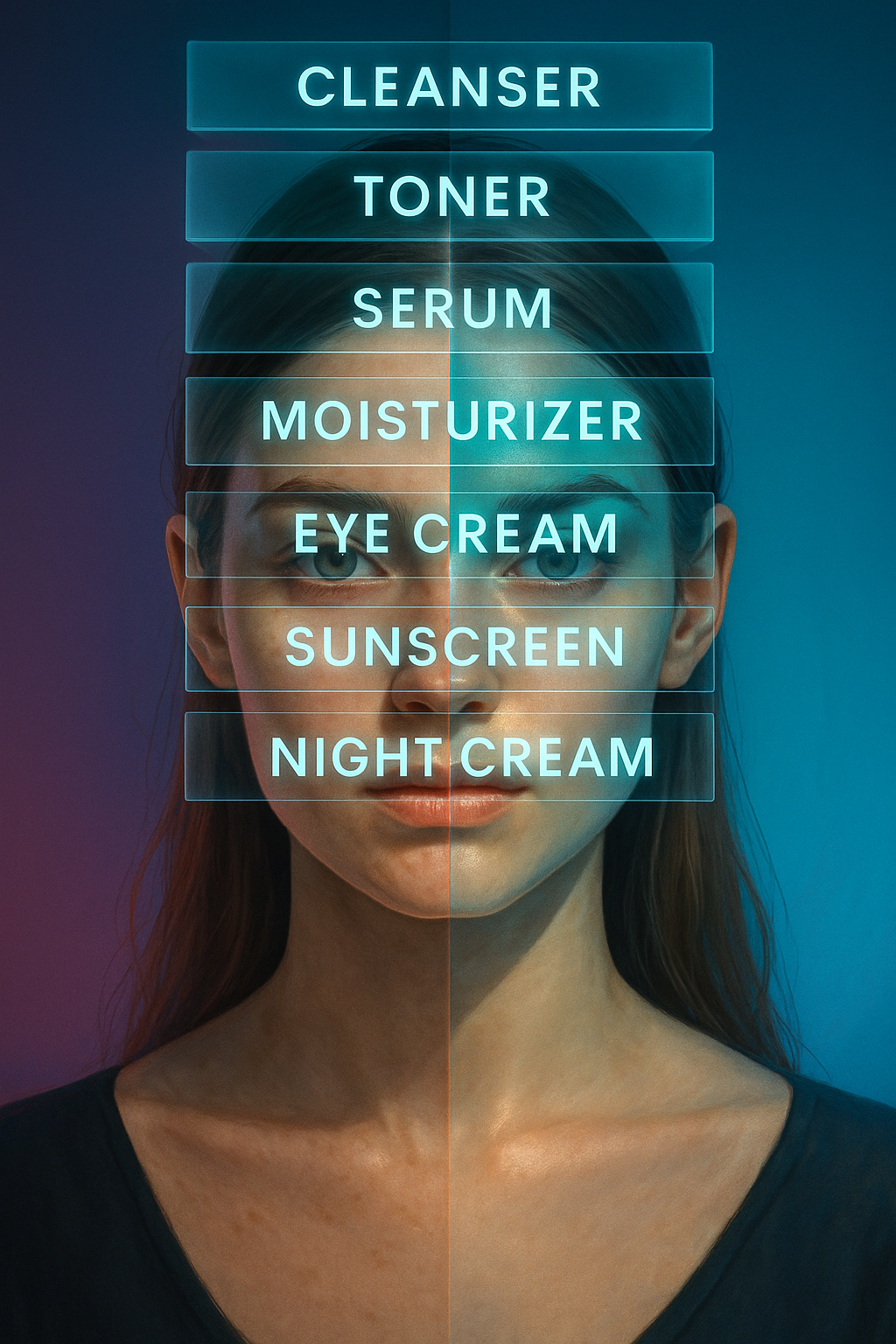
Simplify the surrounding routine. The Mayo Clinic notes that heavy or occlusive face creams, especially those used near the mouth, are frequently associated with flares. Cutting back to a gentle cleanser and a lightweight, non-comedogenic moisturizer while introducing a retinoid may reduce the chances of irritation compounding.
Introduce retinoids slowly. Using a lower concentration less frequently, and building up tolerance gradually, is a standard approach dermatologists recommend for reducing irritant reactions to retinoids in general, not just around the mouth.
Watch ingredient combinations. Layering multiple actives close together, such as niacinamide serums and retinoids applied to the same irritated area repeatedly, can sometimes increase the odds of a reaction in sensitive individuals, though the evidence here is more anecdotal than formally studied.
When to See a Dermatologist
If a rash develops or keeps recurring in the same area after retinoid use, it’s worth pausing the product and having it evaluated in person rather than self-treating. Perioral dermatitis can sometimes be mistaken for acne, and treating it as acne (including with more retinoid) can make it worse. Cleveland Clinic notes that perioral dermatitis usually improves with the right treatment, which may include prescription topical or oral antibiotics rather than steroids or retinoids, depending on the individual case.
Because triggers and skin sensitivity vary widely, there’s no single fix that works for everyone who has struggled with this. A dermatologist can help identify whether a rash is truly perioral dermatitis, rule out other causes like fungal or contact reactions, and suggest a plan for reintroducing acne treatment safely if that’s the goal.
This article is for general educational purposes and is not a substitute for personalized medical advice. If you’re experiencing a persistent rash or considering changes to a prescribed skincare routine, talk to a dermatologist or your prescribing provider.
— Gemifys