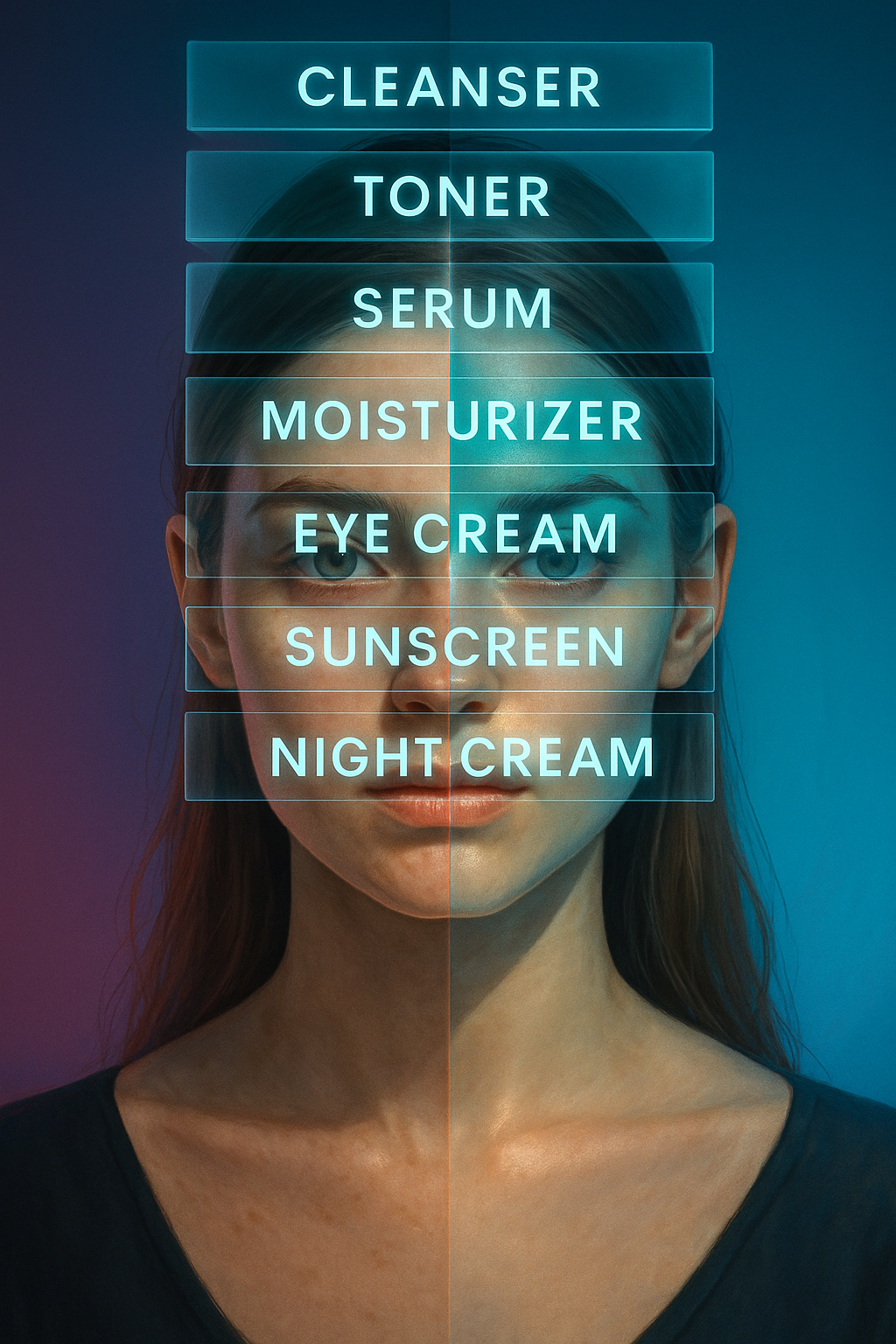

If you’ve been on tretinoin for months or even years and your skin is still red, still breaking out occasionally, and still doesn’t quite look “settled,” you’re not imagining it, and you’re not necessarily doing anything wrong. It’s one of the more confusing parts of long-term retinoid use: the classic early signs of irritation (stinging, burning, visible peeling) can fade completely while a low-grade redness and reactivity linger for months. Understanding why that happens can help you figure out whether it’s something to ride out, adjust, or bring back to your dermatologist.
Why redness can persist even without “typical” irritation
Tretinoin and other retinoids work by speeding up skin cell turnover, which is exactly what makes them effective for acne and post-inflammatory marks — and also what can keep the skin barrier in a semi-compromised state, especially with nightly or near-nightly use over a long period. According to the Mayo Clinic, redness, dryness, and mild peeling are recognized, expected side effects of topical tretinoin, and they can persist as long as the medication is in active use, not just during the first few weeks.
The American Academy of Dermatology notes that a compromised skin barrier from retinoid use is a common reason people see ongoing redness and sensitivity, and that pairing a retinoid with a genuinely simple, barrier-supportive routine — a gentle non-foaming cleanser, a plain moisturizer, and daily sunscreen — matters more than most people expect (AAD, “Retinoid or retinol?”). A routine that’s stacked with multiple actives (vitamin C serums, exfoliating toners, other acids) alongside tretinoin can quietly keep the barrier from ever fully recovering, even if none of those products feels harsh on its own.
Redness vs. post-inflammatory marks: they can look similar but aren’t the same
It’s worth separating two things that often get lumped together: active irritation-related redness (which tends to fluctuate with product use, humidity, and how recently tretinoin was applied) and post-inflammatory erythema or hyperpigmentation left behind by old acne, which can take many months to fade on its own regardless of what’s applied topically. Both can be present at once, which is part of why it’s hard to tell from the mirror which one you’re mostly looking at.
What tends to help — and what’s genuinely worth asking a dermatologist about
- Simplify before adding more. Dropping down to a bland, fragrance-free moisturizer and cleanser for a few weeks (while continuing tretinoin as prescribed) can sometimes reveal whether other products in a routine were contributing to the redness.
- Buffering and frequency adjustments — applying moisturizer before tretinoin, or spacing out application to every other night — are commonly discussed barrier-support strategies, but any change to how a prescription retinoid is used should be discussed with the prescribing dermatologist rather than self-adjusted long-term.
- Sunscreen isn’t optional. Retinoid-treated skin is more UV-sensitive, and unprotected sun exposure can prolong both redness and pigmentation.
- If redness has been constant for months with no real fluctuation, it’s reasonable to ask a dermatologist whether an underlying condition (like rosacea, which can coexist with or be mistaken for retinoid irritation) is part of the picture, rather than assuming it’s the tretinoin alone.
None of this is a substitute for an in-person evaluation. Skin that stays persistently red, especially alongside ongoing breakouts, is worth a follow-up visit — not because something has necessarily gone wrong, but because a dermatologist can actually look at the skin, check for coexisting conditions, and adjust strength, frequency, or supporting products in a way general information never can.
This article is for general educational purposes and is not a substitute for personalized medical advice. Always talk to your dermatologist or prescribing physician before changing how you use a prescription medication.
— Gemifys