
Why Tretinoin Causes Dry, Flaky Skin — And How to Manage It Without Quitting
If you’ve started tretinoin and your skin suddenly feels tight, flaky, or rough even though you’re using it only a few nights a week, you’re not doing anything wrong — and you’re far from alone. Dryness and peeling are among the most commonly reported effects during the early months of retinoid use, and they tend to follow a predictable pattern that’s worth understanding before you consider giving up on the product.
Why this happens
Tretinoin works by speeding up skin cell turnover, which is exactly what makes it effective for both acne and fine lines — but that same mechanism can temporarily disrupt the skin barrier while your skin adjusts, a phase sometimes called “retinization.” According to the Mayo Clinic’s guidance on topical tretinoin, redness, peeling, and dryness are recognized, common side effects, particularly in the first several weeks of use, and they often improve as the skin builds tolerance.
What may help
- Moisturize generously, and consider “buffering.” Applying a gentle, fragrance-free moisturizer before and/or after tretinoin (sometimes called sandwiching or buffering) can reduce irritation for some people without necessarily reducing effectiveness, though you may need more time to see results this way.
- Reassess frequency, not just skip nights. If dryness persists even at a reduced schedule, it may be worth discussing a lower concentration, a different vehicle (cream vs. gel), or an every-third-night schedule with the prescribing provider rather than guessing on your own.
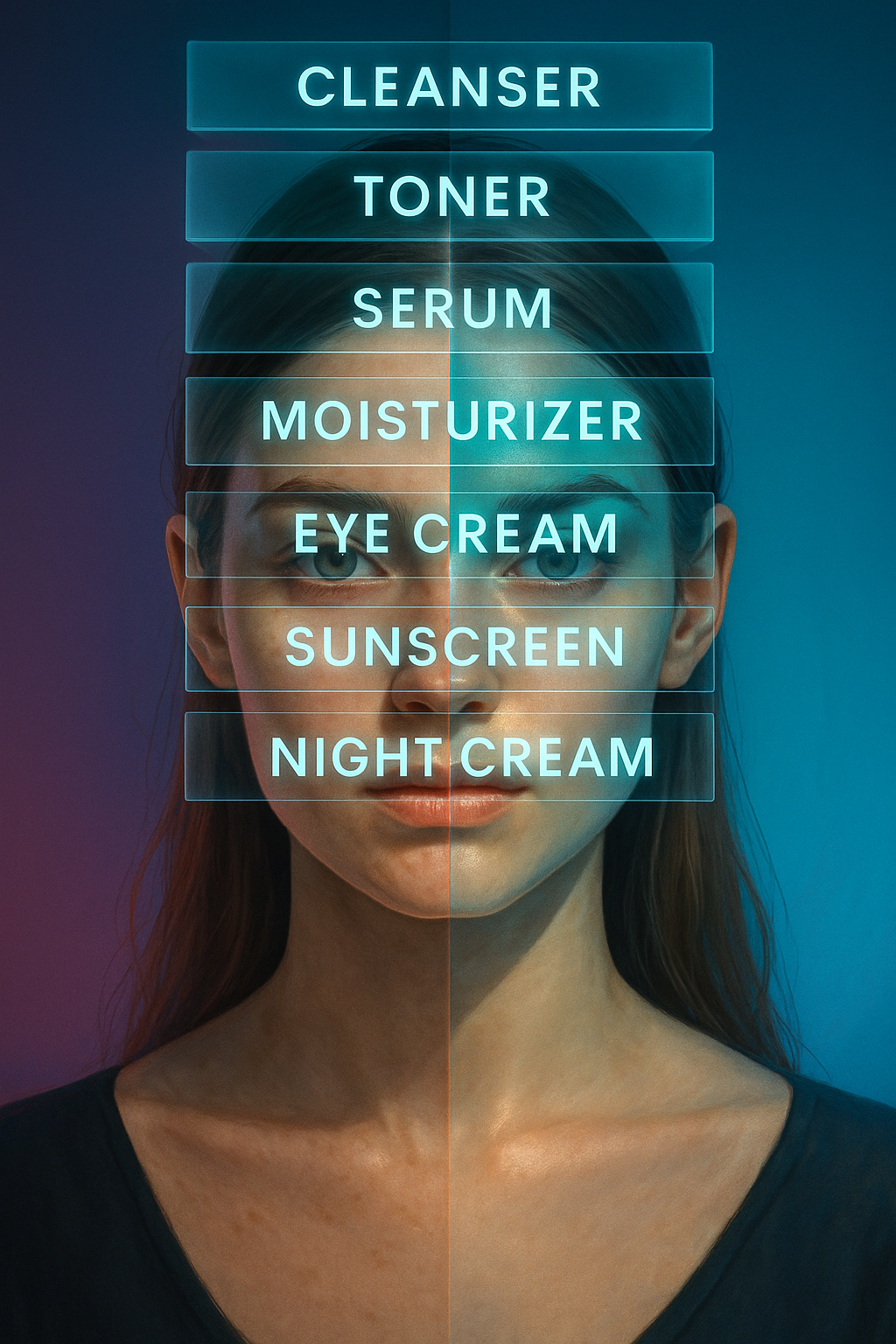
- Keep the rest of your routine simple. Layering multiple actives (exfoliating acids, benzoyl peroxide, high-percentage vitamin C) alongside tretinoin can compound irritation. A basic cleanser–moisturizer–SPF routine on non-active days gives your barrier room to recover.
- Sun protection is non-negotiable. Tretinoin increases photosensitivity, so daily broad-spectrum sunscreen isn’t optional — it also helps prevent the dryness from becoming more pronounced.
When to check in with a dermatologist
Persistent dryness that doesn’t ease after several weeks, or dryness accompanied by significant burning, swelling, or oozing, is worth a conversation with a dermatologist rather than something to push through alone. They may adjust your strength, frequency, or vehicle in ways that are hard to judge from the outside.
This article is for general educational purposes only and is not a substitute for personalized medical advice. If you’re experiencing significant or persistent skin irritation from a prescription retinoid, talk to your dermatologist or prescribing provider before changing how you use it.
— Gemifys