If you’ve started a retinoid like adapalene (the active ingredient in Differin) and your skin looks worse after two or three months instead of better, you’re not imagining it — and you’re not necessarily doing anything wrong. This is one of the most common reasons people quit retinoids right before they were about to start working.
Why retinoids can look like they’re failing around week 8–12
Adapalene and other retinoids work by speeding up skin cell turnover and changing how skin cells shed inside the pore. According to the American Academy of Dermatology (AAD), this process can bring existing microcomedones (the invisible, early-stage clogged pores already forming under the skin) to the surface faster than they would have appeared on their own — a phenomenon often called “purging.” The AAD notes that true purging typically happens in areas where you already tend to break out, and usually improves within a few weeks to a couple of months as the skin adjusts.
That said, not everything that flares up after starting a retinoid is purging. The National Center for Biotechnology Information (NCBI) and dermatology literature generally distinguish “purging” (temporary worsening in typical breakout zones, resolving within roughly 4–8 weeks) from a true irritant reaction or a product that simply isn’t the right fit — which tends to show up as ongoing redness, new breakouts in atypical areas, or worsening well beyond the 8–12 week mark with no signs of improvement.
What tends to complicate the picture
A few things can muddy whether a flare is purging, irritation, or something else entirely:
Recent antibiotic use. Oral antibiotics like doxycycline are commonly prescribed for acne because, per the NCBI’s overview of doxycycline for acne, they reduce inflammatory bacteria and calm active breakouts relatively quickly. Stopping an antibiotic can unmask acne that was being suppressed rather than cured, which can look like a “new” flare-up even before a retinoid is introduced or while a retinoid is just getting started.
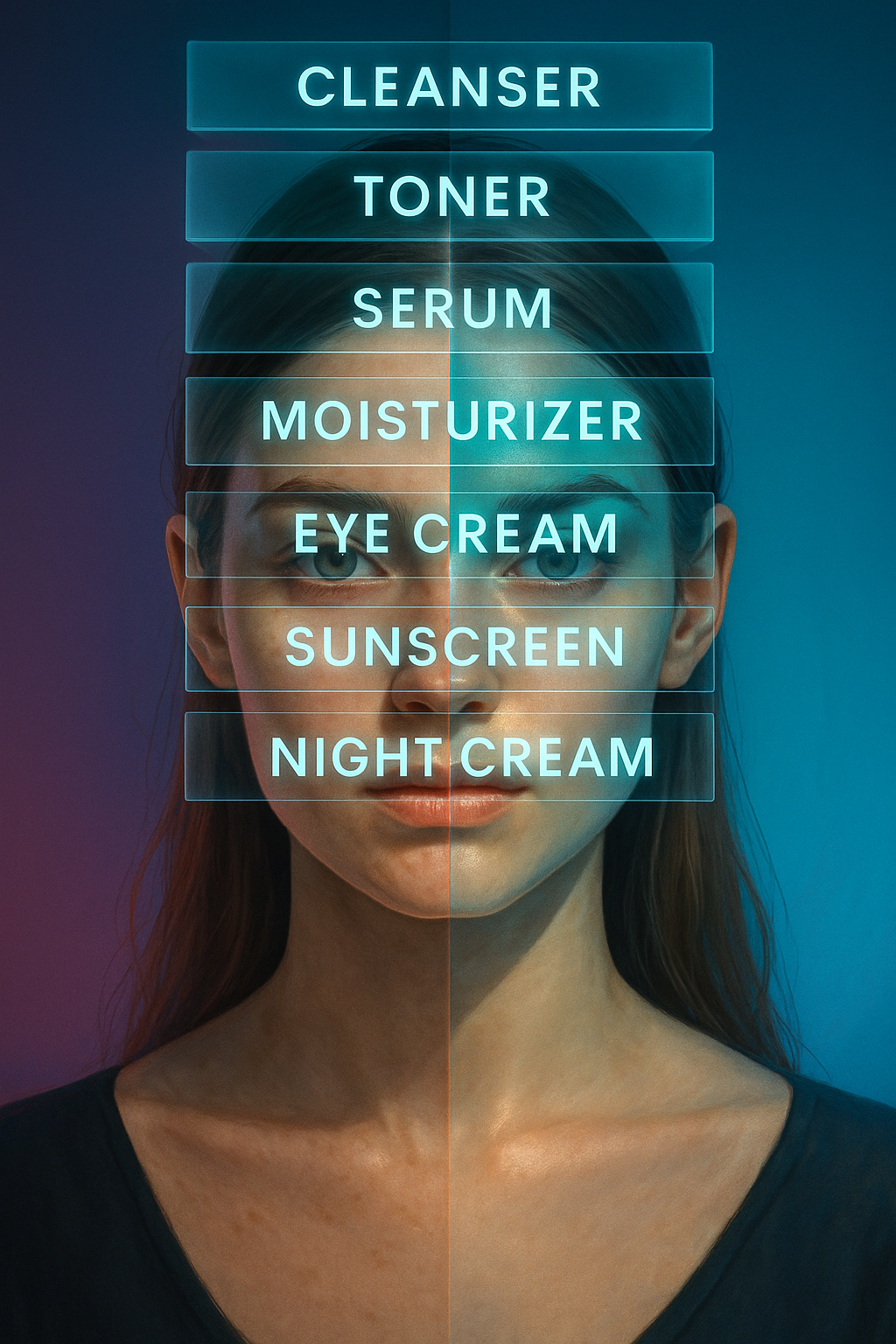
Layering multiple actives. Chemical exfoliants (AHA/BHA/PHA blends), other actives, and a retinoid used in the same routine can compound irritation even without visible dryness or flaking — some skin types react with congestion and breakouts rather than the classic redness and peeling people expect from “retinoid irritation.” The AAD’s guidance on building an acne skin care routine recommends introducing one new active at a time and keeping the rest of the routine simple while a retinoid is being introduced, specifically so it’s easier to tell what’s helping and what isn’t.
General, non-diagnostic pointers
- Most retinoid purging resolves within about 4–8 weeks; consistent worsening well past 10–12 weeks, in an area that wasn’t a normal breakout zone before, is a signal worth flagging to a dermatologist rather than pushing through indefinitely.
- A simplified routine (gentle cleanser, retinoid, moisturizer) for several weeks can make it easier to isolate whether the retinoid itself, another active, or a combination is driving the flare.
- “No dryness or flaking” doesn’t rule out irritation — some skin responds to retinoids with congestion rather than visible peeling.
This article is for general educational purposes and is not a substitute for personalized medical advice. Persistent or worsening acne — especially several months into a treatment that isn’t improving things — is worth discussing with a board-certified dermatologist, who can examine your skin directly and adjust your regimen safely.
— Gemifys