Starting tretinoin often comes with an adjustment period, and one of the most common complaints from new users is dryness that seems to appear almost overnight. If your skin suddenly feels tight, flaky, or “dehydrated,” you’re not alone — and there are practical, low-risk ways to make the transition more comfortable.
Why Tretinoin Causes Dryness
Tretinoin is a topical retinoid that speeds up skin cell turnover and affects the outer layer of the skin (the stratum corneum), which is largely responsible for holding in moisture. According to the American Academy of Dermatology, this faster turnover can temporarily disrupt the skin barrier, leading to dryness, redness, peeling, and sensitivity — sometimes called “retinization” or, informally, the “purge” phase. This is a well-documented and expected part of starting a retinoid for many people, not a sign that something has gone wrong.
Practical Ways to Manage Retinoid Dryness
Dermatology resources including the American Academy of Dermatology and Mayo Clinic generally suggest a few approaches that may help ease the adjustment period:
- Moisturize generously, both before and after. Applying a gentle, fragrance-free moisturizer before tretinoin (sometimes called “buffering”) and again afterward can help reduce irritation for some users.
- Start slow. Many dermatologists recommend applying a retinoid just two to three nights a week initially, gradually increasing frequency as your skin builds tolerance.
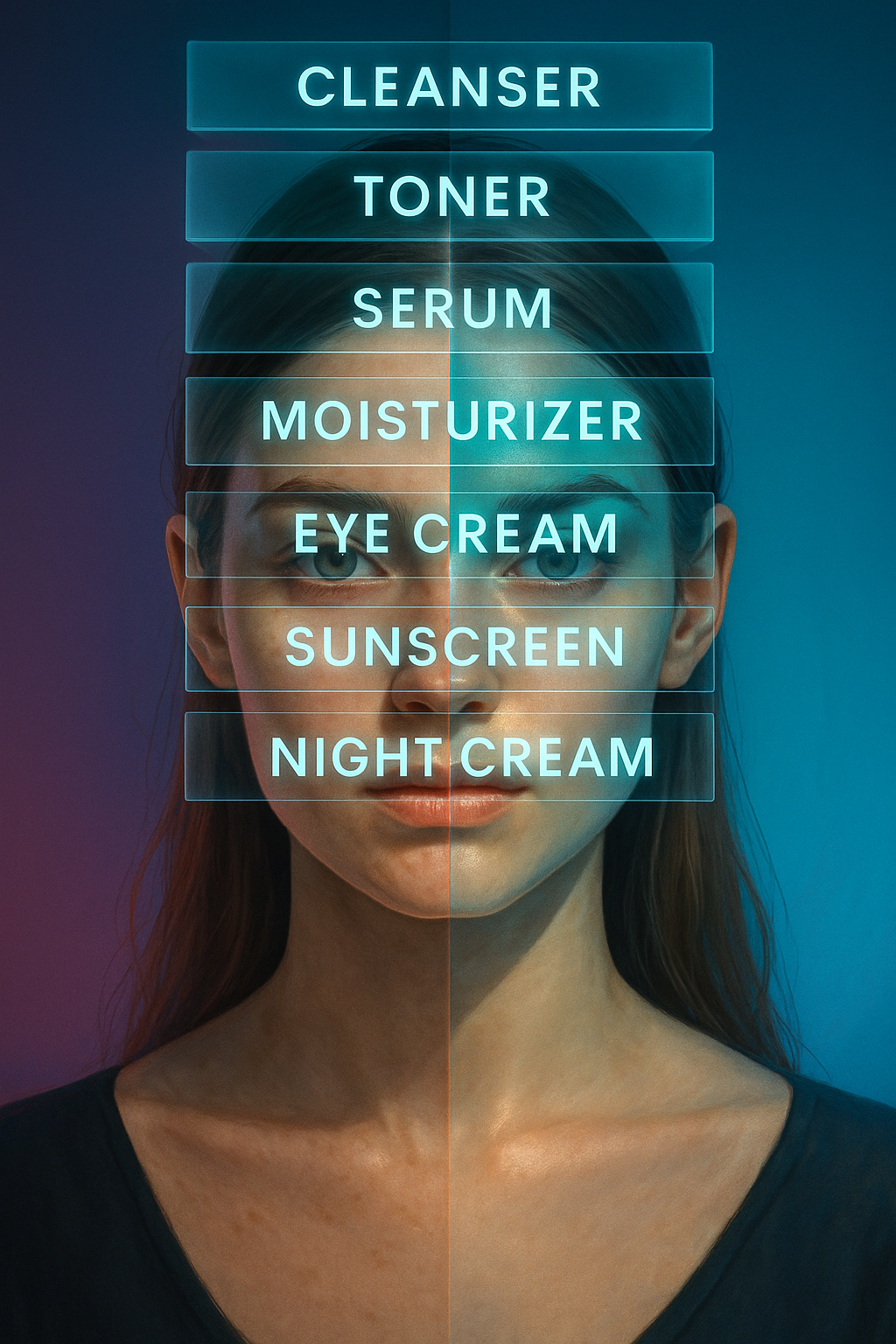
- Simplify the rest of your routine. Layering multiple active ingredients (like exfoliating acids) at the same time as a retinoid can compound irritation. Alternating nights, as some users already do with azelaic acid, is a reasonable way to reduce the combined load on the skin barrier.
- Use a broad-spectrum sunscreen daily. Retinoids can increase sun sensitivity, and sunburned or UV-stressed skin will feel drier and more irritated.
- Look for barrier-supporting ingredients. Moisturizers containing ceramides, hyaluronic acid, or glycerin are commonly recommended to help support the skin barrier while it adjusts.
When to Check In With a Dermatologist
Some initial dryness and flaking is common, but persistent redness, burning, swelling, or peeling that doesn’t improve after a few weeks of these adjustments is worth discussing with a board-certified dermatologist. They may suggest a lower concentration, a different retinoid formulation, or a modified schedule that’s tailored to your skin. This article is general educational information and isn’t a substitute for personalized medical advice — if you’re unsure whether what you’re experiencing is typical, a dermatologist is the best resource.
— Gemifys