
Redness after starting tretinoin is one of the most common reasons people worry they’re “doing it wrong” — but in most cases, it’s an expected part of how the skin adjusts, not a sign of damage. Here’s what’s actually happening, and what dermatology sources say can help.
Why tretinoin causes redness in the first place
Tretinoin speeds up skin cell turnover and affects the outer skin barrier while it’s working, which can temporarily increase sensitivity, dryness, and redness — sometimes called “retinization” or informally the “retinoid uglies.” According to Mayo Clinic prescribing information, redness, peeling, stinging, and dryness are all listed as common side effects, especially in the first several weeks of use, and they often lessen as the skin adapts with continued, consistent use (Tretinoin (topical route), Mayo Clinic).
The American Academy of Dermatology similarly notes that retinoid-related irritation is a well-recognized, common experience, and that easing into use rather than starting at full strength/frequency is a standard way to reduce it (Retinoid or Retinol?, American Academy of Dermatology; Acne: Diagnosis and Treatment, American Academy of Dermatology).
Redness that’s expected vs. redness that isn’t
Mild pinkness, some flaking, and temporary sensitivity — particularly around the nose, mouth, and cheeks — are commonly reported and typically improve over 4 to 8 weeks as tolerance builds. Redness that comes with significant swelling, blistering, oozing, or intense burning pain is different, and that level of reaction is worth stopping the product and checking in with a dermatologist or prescriber, since it may indicate the strength, frequency, or a co-product is too aggressive for your skin right now, or that something else (like a reaction to a different ingredient) is contributing.
Approaches that may help reduce irritation
None of the following are dosing changes — they’re general skin-care practices commonly discussed by dermatology sources for easing into retinoid use:
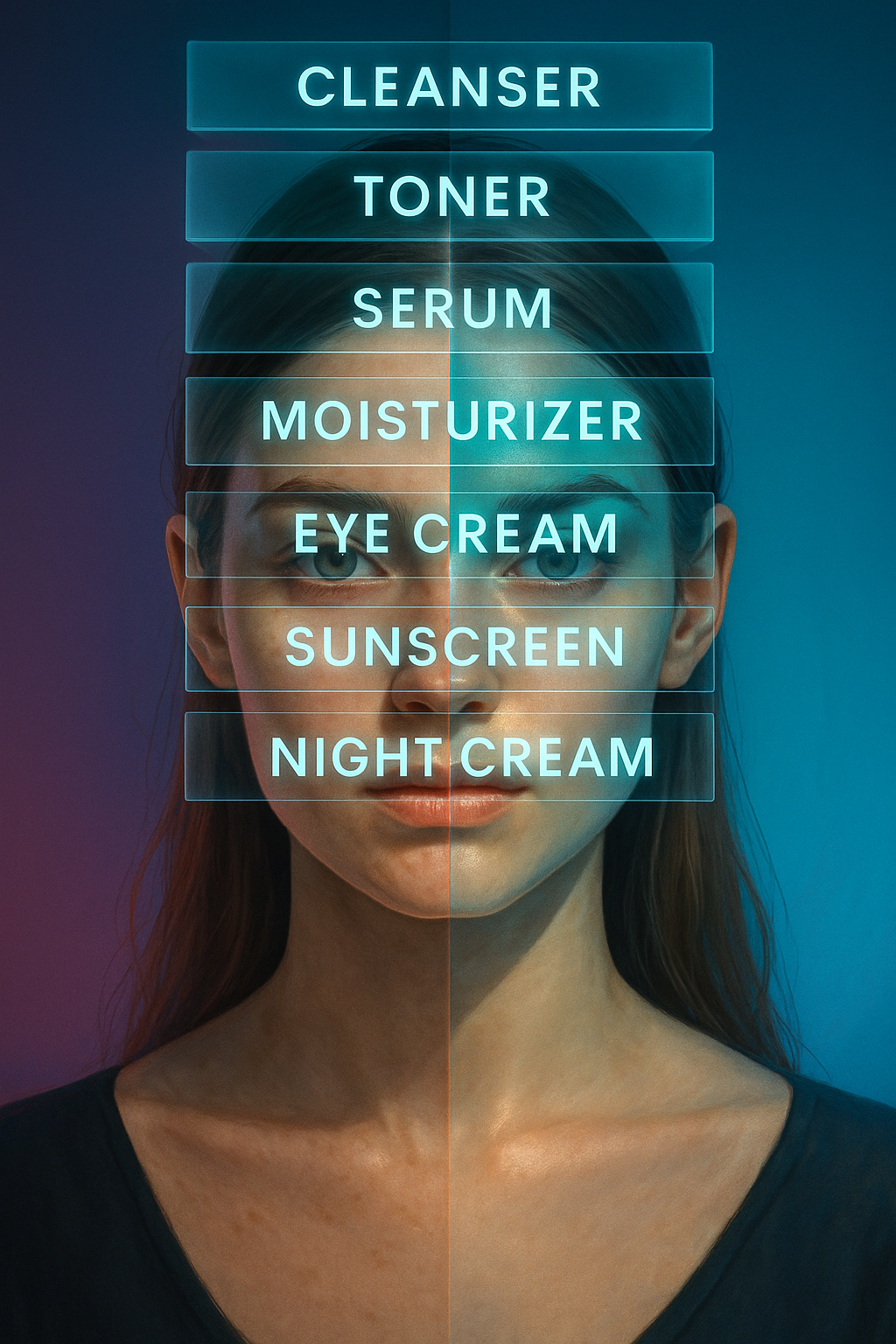
Buffering or “sandwiching”: applying a moisturizer before and/or after tretinoin, rather than straight onto bare skin, can dilute its intensity somewhat while you build tolerance.
Frequency, not just strength: using it every other night, or every third night, and slowly working up to nightly, is a widely discussed approach for reducing early irritation while still allowing the skin to adapt over time.
A genuinely gentle moisturizer: fragrance-free, ceramide-containing moisturizers are commonly recommended to help support the skin barrier during this adjustment period.
Daily sunscreen: tretinoin increases sun sensitivity, and unprotected sun exposure can make redness and irritation noticeably worse — broad-spectrum SPF during the day is considered essential, not optional, while using a retinoid.
Avoiding other actives at the same time: layering tretinoin with other strong exfoliating actives (like high-strength acids or additional retinoids) in the same routine while your skin is still adjusting tends to compound irritation rather than speed up results.
When to loop in a professional
If redness persists well beyond the typical adjustment window, keeps recurring despite easing up on frequency, or comes with real pain rather than mild sensitivity, that’s a reasonable point to check in with a dermatologist rather than continuing to troubleshoot on your own — they can confirm whether it’s standard retinization, irritant contact dermatitis, or something else entirely that just looks similar.
This article is for general education only and is not medical advice. Everyone’s skin responds differently, and a dermatologist or prescribing clinician is the right person to guide changes to your specific routine, especially if you have sensitive skin, a diagnosed skin condition, or are combining tretinoin with other prescription treatments.
— Gemifys