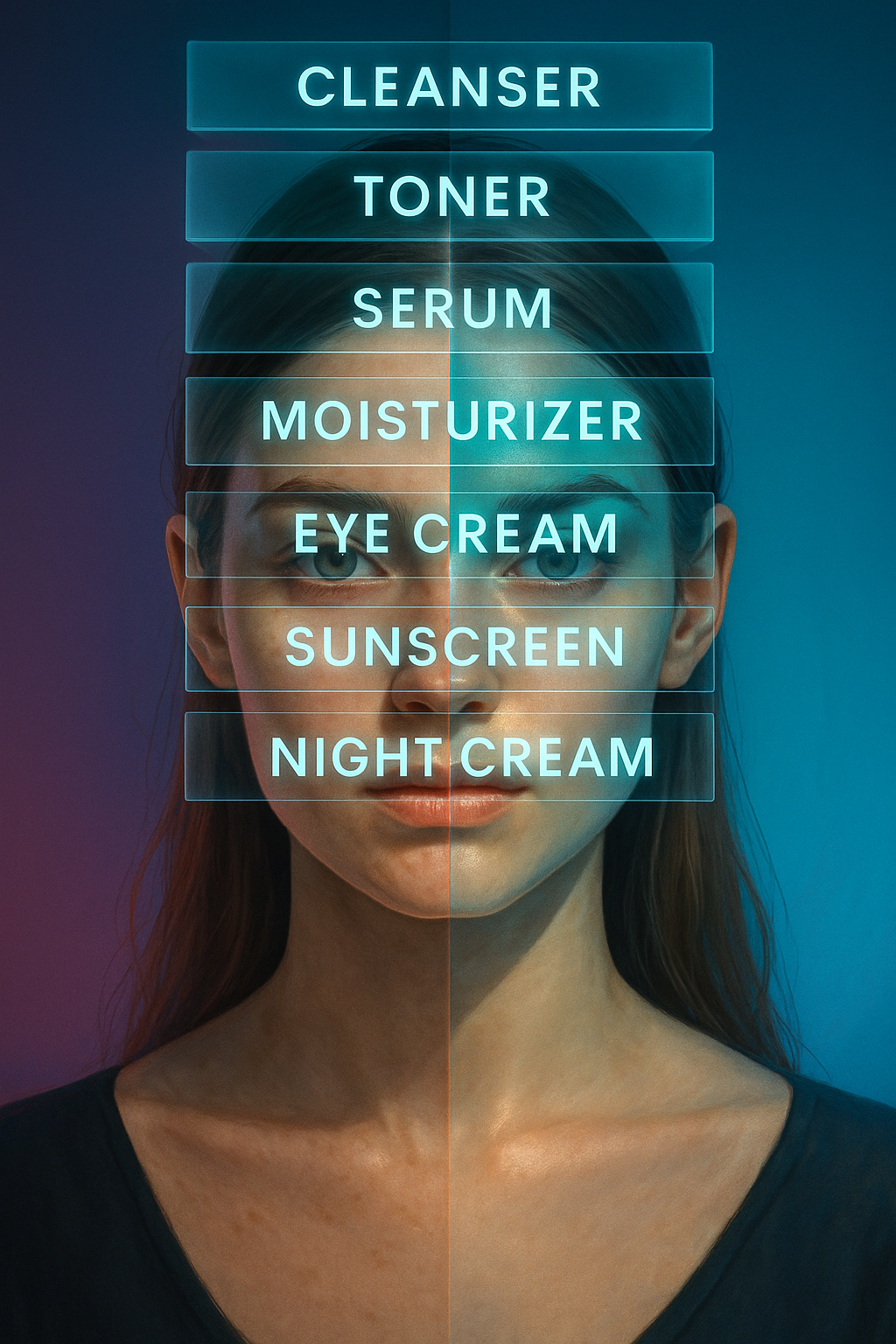
If you’ve been using tretinoin for months or even years and still notice a little dryness or flaking whenever you skip your regular skincare routine, you’re not doing anything wrong — and you’re not alone. It’s one of the most common questions long-term tretinoin users ask: why does skin that has “adjusted” to the medication still react when the usual moisturizing steps are missed, even briefly?
Why Tretinoin Can Still Cause Peeling After Years of Use
Tretinoin (a topical retinoid) works by speeding up skin cell turnover. According to the American Academy of Dermatology, this accelerated turnover is exactly what makes retinoids effective for acne and photoaging, but it also means the skin barrier is doing more work than usual. Even after your skin has largely adapted and stopped reacting with the redness or stinging typical of the first few weeks of use, the outer layer can remain somewhat more sensitive to dehydration than untreated skin.
The Cleveland Clinic notes that dryness and peeling are among the most common and expected side effects of tretinoin, and that consistent moisturizing is generally recommended as a core part of any retinoid routine — not just during the initial adjustment period. In other words, this isn’t necessarily something that “goes away” completely with more time; for many people, some degree of skin sensitivity to missed skincare steps may simply be a long-term feature of consistent retinoid use.
What May Help
- Consistent barrier support: A fragrance-free moisturizer with ceramides may help reinforce the skin barrier, which retinoids can temporarily thin. The National Institute of Arthritis and Musculoskeletal and Skin Diseases (NIAMS) highlights gentle, consistent skincare as a key part of managing retinoid-related side effects.
- Applying moisturizer even on “off” days: Since the underlying mechanism (increased cell turnover) doesn’t pause just because your routine does, some dermatologists suggest keeping barrier-supportive steps consistent daily, not only on days tretinoin is applied.
- Buffering technique: Applying a moisturizer before or mixed with tretinoin can reduce irritation for some users, per general dermatology guidance — though individual tolerance varies significantly.
- Gentle cleansing: Harsh cleansers or over-exfoliating can compound dryness that’s already elevated by retinoid use.
When Peeling Might Signal Something Else
Mild, occasional flaking that resolves quickly with a return to normal skincare — as described above — is generally considered a normal part of long-term retinoid use. However, the Mayo Clinic notes that more severe or persistent reactions, such as significant redness, swelling, blistering, or peeling that doesn’t resolve, warrant a conversation with a dermatologist or prescribing provider, since these could indicate the concentration or frequency needs adjusting.
This article is for general educational purposes and is not a substitute for professional medical or dermatological advice. If you have ongoing concerns about your skin or your tretinoin routine, talk to your dermatologist or prescribing provider — they can evaluate your specific skin and history.
— Gemifys