By Gemifys
A couple of months into a tretinoin routine, it’s a common surprise: skin that used to look bright and glowy suddenly looks flat, dull, or even a little darker — even when the rest of the routine looks textbook (gentle cleanser, moisturizer, daily sunscreen). If that’s happening to you, you’re not doing something obviously wrong. There are a few well-documented reasons this shows up, and most of them resolve with time and small adjustments rather than a routine overhaul.
It may just be “retinization”
Tretinoin and other retinoids work by speeding up skin cell turnover. During the adjustment period — often referred to informally as retinization — skin can look duller, flakier, or more uneven before it improves, as older surface cells are shed faster than usual. The American Academy of Dermatology (AAD) notes that mild dryness, redness, and peeling are common in the first several weeks to months of retinoid use, and that skin typically needs time — often 8 to 12 weeks or longer — to fully adjust.
Photosensitivity is a real factor, even with sunscreen
Retinoids increase skin’s sensitivity to UV light, and even brief, incidental sun exposure — near a bright window, during a commute, or on a lunch break — can contribute to dullness or uneven pigmentation over time in sensitized skin. The AAD and Mayo Clinic’s tretinoin precautions both flag increased photosensitivity as an expected effect, and recommend consistent broad-spectrum SPF 30+ and reapplication, not just a morning application, since UV exposure adds up across the day even indoors near windows.
Over-exfoliation (or the opposite) can flatten skin’s glow
Pairing a retinoid with additional actives — AHAs, BHAs, or high-strength azelaic acid — can sometimes disrupt the skin barrier enough to make complexion look dull or grey rather than radiant, since a compromised barrier scatters light differently and can trap dead skin unevenly. This is why many dermatologists advise against layering exfoliating acids on top of a retinoid without guidance, and why a “less is more” approach with hydration and barrier-support ingredients (ceramides, niacinamide) is often recommended during the adjustment period. If your dermatologist has already advised against adding AHA/BHA, that’s a reasonable signal to keep the routine minimal for now and give the retinoid more time.
What tends to help
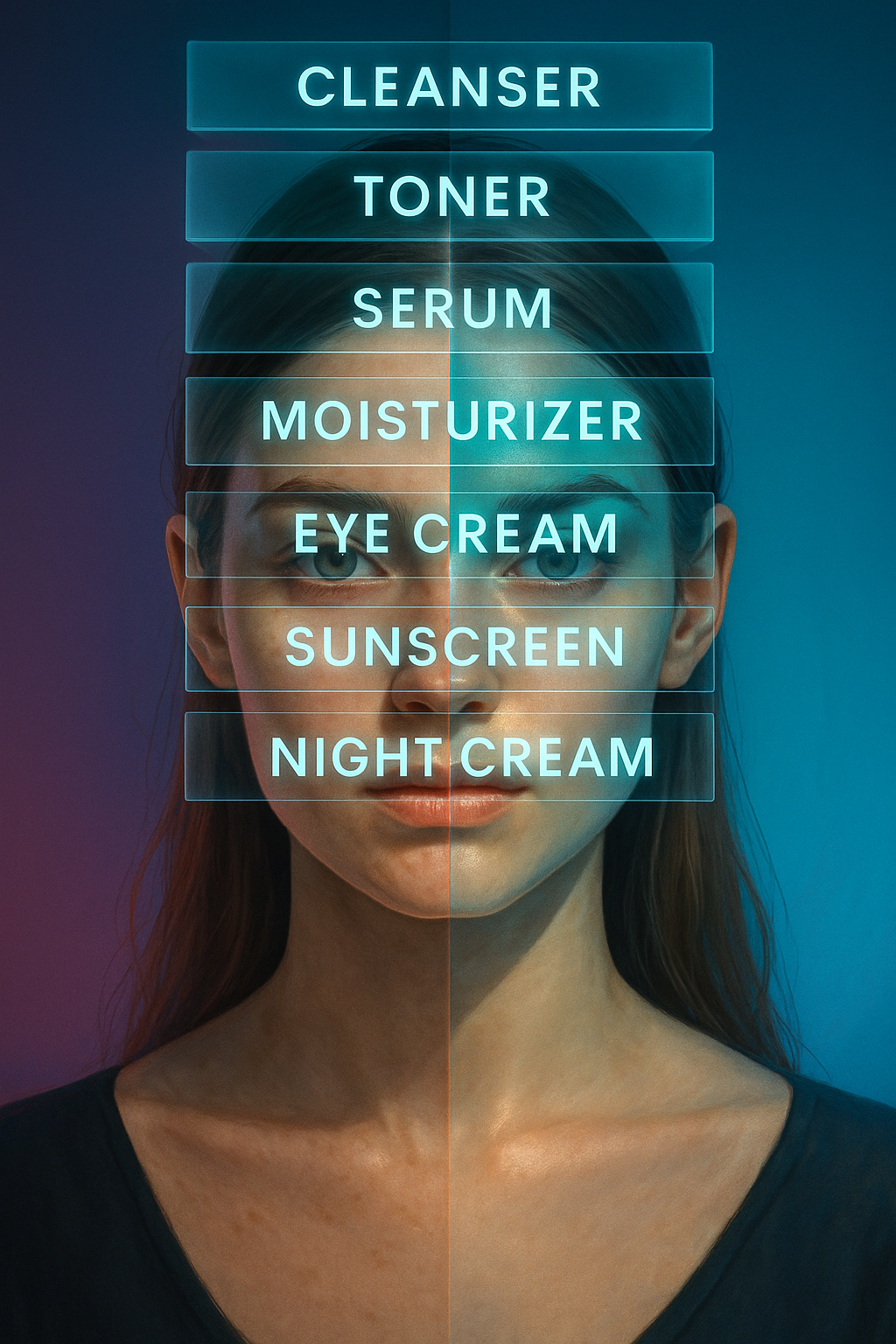
- Stick with a simple, consistent routine: gentle cleanser, retinoid at night, ceramide-based moisturizer, and daily broad-spectrum sunscreen — reapplied if you’re near windows or outdoors for any stretch.
- Give it time. Many people report the “dull” phase easing over 2–3 months as turnover normalizes.
- Avoid adding new actives (extra acids, additional exfoliants) without checking with a dermatologist first, especially while still adjusting.
- If dullness comes with persistent redness, burning, or it doesn’t improve after a few months, that’s worth flagging to your dermatologist — they may suggest reducing frequency, changing concentration, or ruling out an unrelated cause.
This article is for general educational purposes and is not a substitute for personalized medical advice. If your skin reaction is severe, persistent, or concerning, please consult a board-certified dermatologist.