
Switching a tretinoin routine from every-other-night to nightly use is a common step once skin has adjusted to a lower frequency, but it can bring back irritation that looks a lot like the “retinization” period many people experience when they first start a retinoid. Waking up to red, tight, or stinging skin — even when the tretinoin itself doesn’t cause visible redness at night — is a well-documented pattern, and it doesn’t necessarily mean the product is wrong for your skin.
Why redness can show up hours after application, not immediately
Tretinoin works by increasing skin cell turnover, which temporarily weakens the outer skin barrier while new cells are produced. According to the American Academy of Dermatology, this adjustment period — sometimes called “retinization” — commonly includes dryness, peeling, and redness, and can resurface or intensify any time frequency or strength is increased, even after skin has previously tolerated a lower frequency. The Mayo Clinic notes that mild redness, warmth, and scaling are recognized, expected side effects of topical tretinoin, particularly during the first several weeks of a new regimen or frequency change, though it also lists signs — such as severe blistering, swelling, or persistent burning — that warrant contacting a healthcare provider.
What tends to help
Dermatology guidance generally points to a few strategies people use to ease the transition to more frequent retinoid use:
Buffering with moisturizer. Applying a gentle, fragrance-free moisturizer before or shortly after tretinoin can reduce direct contact intensity while still allowing the medication to work, according to Cleveland Clinic patient guidance.
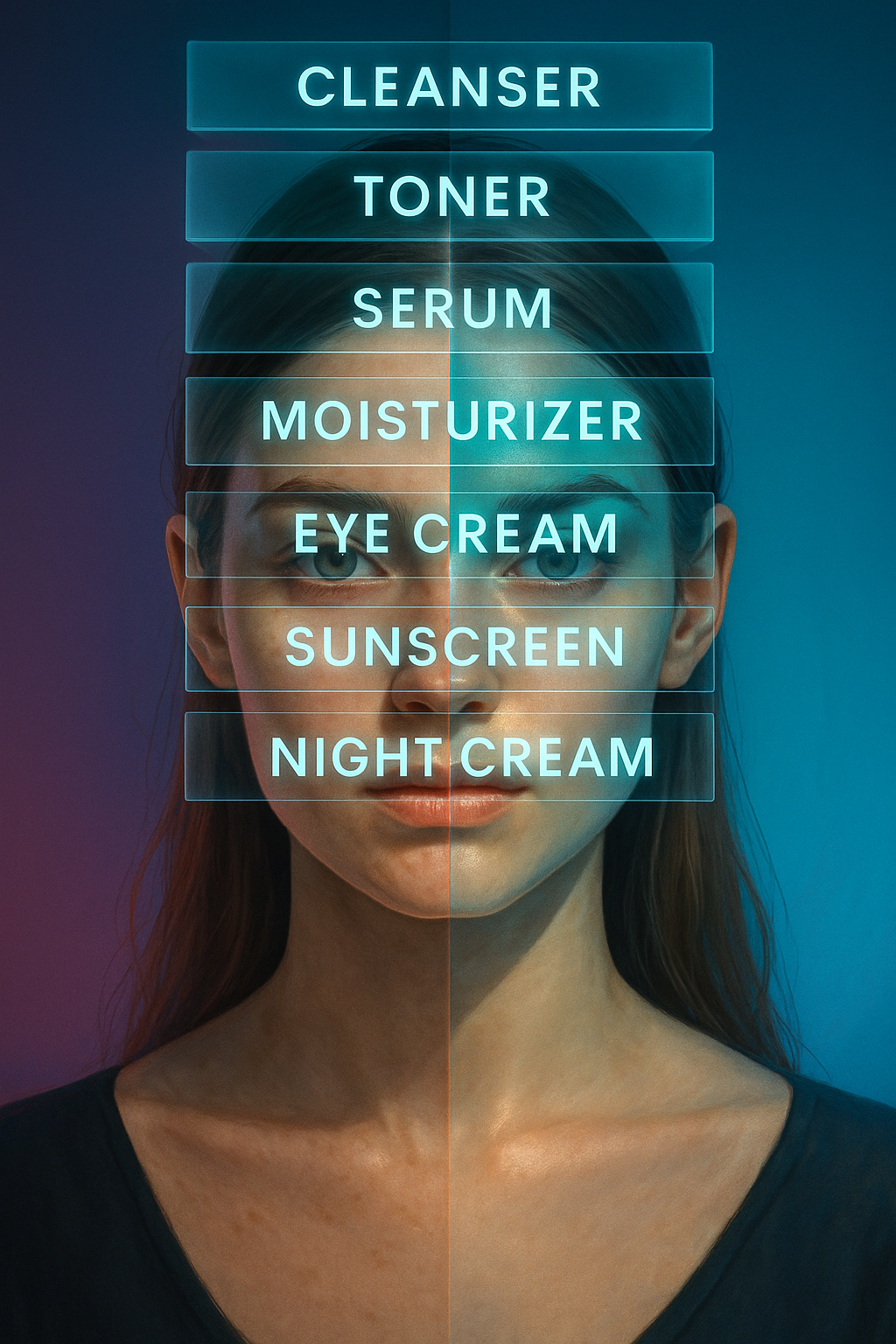
Simplifying the rest of the routine. Cleveland Clinic and the AAD both note that combining tretinoin with other actives (exfoliating acids, high-concentration vitamin C, harsh cleansers) can compound irritation — a bare-bones routine of gentle cleanser, tretinoin, and moisturizer is often recommended while skin adjusts.
Not necessarily reverting immediately. Many dermatology resources suggest that if redness is mild and resolves within a few hours (rather than worsening, blistering, or persisting all day), it can represent a normal adjustment phase rather than a reaction requiring you to stop — but this is a judgment call best made with a dermatologist who can see your skin, not from a general guide.
When it’s worth checking in with a dermatologist
The line between “expected adjustment” and “true irritant or allergic contact dermatitis” isn’t always obvious from the outside, and it can vary a lot person to person. If redness is worsening over time rather than improving, if it’s accompanied by burning that doesn’t settle, swelling, oozing, or if it’s affecting quality of life, that’s a reasonable point to check in with a dermatologist or prescribing provider rather than troubleshooting alone. A provider can also advise on whether stepping back down to every-other-night use, or trying a lower concentration, makes sense for your specific skin — this article is general education, not a substitute for that individualized guidance.
Sources: American Academy of Dermatology, Mayo Clinic, Cleveland Clinic. This article is for general educational purposes only and is not a substitute for professional medical or dermatological advice. Always consult a qualified healthcare provider about your specific skin and treatment plan.
— Gemifys