
It’s a common moment in a tretinoin routine: you’ve been consistent for months, but the mirror doesn’t look dramatically different, and it’s tempting to assume the fix is simply a stronger concentration. Before making that jump, it helps to understand what the research actually says about tretinoin timelines — and why higher strength isn’t automatically better.
Tretinoin works slowly, on a longer timeline than most people expect
Tretinoin (a topical retinoid) works by increasing skin cell turnover and, over time, influencing collagen production in the deeper layers of skin. That process is gradual. The American Academy of Dermatology notes that visible improvements in fine lines and skin texture from retinoids typically take a minimum of three to six months of consistent use, and that meaningful changes in deeper photoaging — the kind of cumulative sun damage tretinoin is often used for — can take closer to six to twelve months to become apparent. Research published via the National Library of Medicine on tretinoin and photoaging generally reflects that same extended timeline, with study periods commonly running six months or longer before assessing outcomes.
Eleven months of visible use also isn’t necessarily eleven months of full-strength, consistent exposure. Skin purging in the early months, dose reductions to manage irritation, missed nights, and gradually building up frequency (a common and reasonable strategy to reduce irritation) can all mean the skin has had less total tretinoin exposure than the calendar suggests.
Why “just go stronger” isn’t automatically the answer
Higher-percentage tretinoin doesn’t reliably mean proportionally better anti-aging results — retinoid efficacy doesn’t scale linearly with concentration, and higher concentrations mainly increase the likelihood and severity of irritation, redness, and peeling. The Mayo Clinic’s patient guidance on topical tretinoin emphasizes using it exactly as prescribed and not increasing frequency or strength without medical guidance, in part because more isn’t simply “more effective” — it’s more likely to compromise the skin barrier, which can paradoxically slow visible progress by causing inflammation and sensitivity.
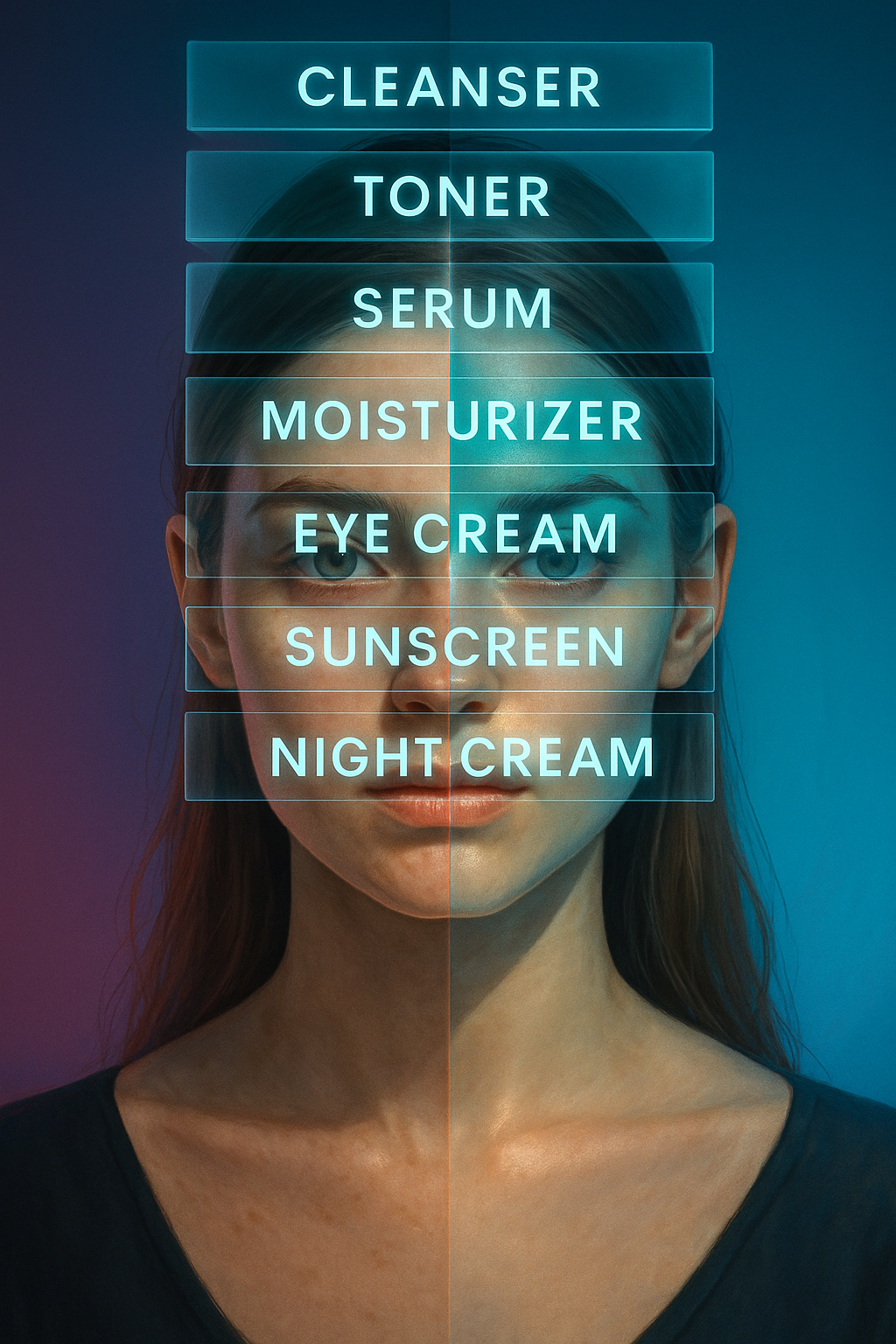
Other factors that commonly affect how much visible difference tretinoin produces include consistent nightly (or as-prescribed) application, daily broad-spectrum sunscreen use — sun damage actively works against what tretinoin is trying to repair, per Johns Hopkins Medicine’s sun protection guidance — a supporting moisturizer/barrier routine, and realistic expectations about what tretinoin can and can’t visibly change (it’s generally more effective for fine lines, texture, and pigmentation than for deep static wrinkles or significant volume loss).
What’s worth doing instead of self-adjusting strength
A dermatologist can evaluate whether the issue is genuinely a strength/response plateau, an application or adherence issue, unrealistic expectations for what tretinoin treats, or a sign that a different or additional treatment (such as a different retinoid, in-office procedure, or complementary ingredient) would serve the goal better. Self-escalating to a higher percentage without that evaluation risks irritation and a damaged skin barrier without necessarily producing better results.
This article is for general educational purposes and is not a substitute for personalized advice from a dermatologist. Talk to your provider before changing your tretinoin strength or routine.
— Gemifys