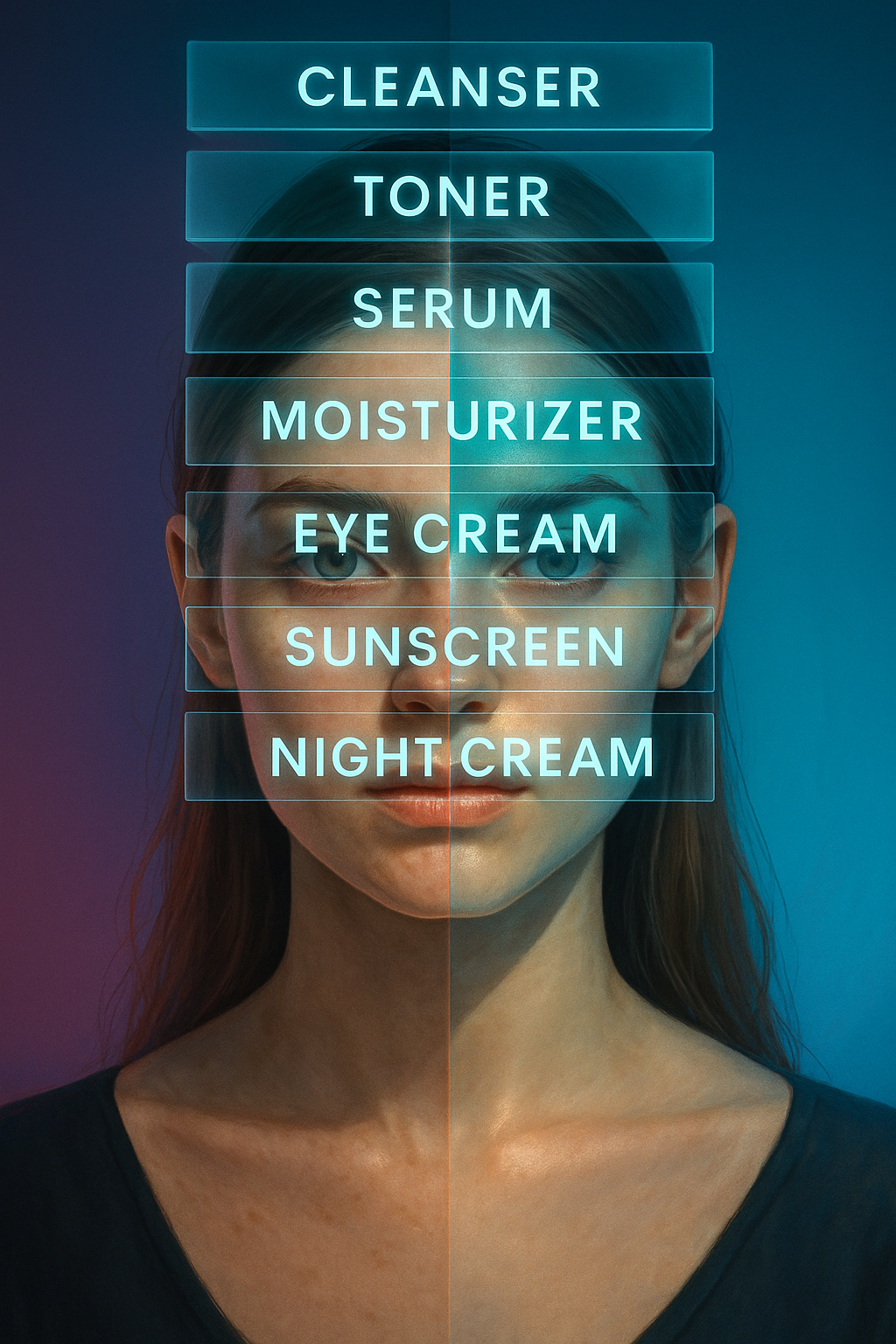
Sticking with tretinoin for a full year and seeing little to no improvement is genuinely discouraging — especially when so many people online describe it as life-changing. If that’s your experience right now, the good news is that “not working yet” often has an identifiable, fixable cause rather than meaning tretinoin simply isn’t for you.
Tretinoin’s timeline is longer than most people expect
According to the American Academy of Dermatology (AAD), visible improvement from tretinoin for acne or texture typically takes 3 to 6 months of consistent use, and full results can take longer, since it works by increasing skin cell turnover — a gradual process, not an overnight fix. If you’re a year in with genuinely zero change, that’s unusual enough to be worth investigating rather than something to just push through.
Common reasons progress stalls
A few things can quietly limit how well tretinoin works even with consistent use. Concentration and formulation matter — some people plateau on a lower strength like 0.025% and see further improvement moving to a higher concentration under medical guidance, per general dermatology sources including the MedlinePlus tretinoin monograph. Barrier disruption from over-cleansing, harsh actives layered alongside it, or skipping moisturizer can also blunt results, since irritated skin doesn’t respond to retinoids as well as a healthy barrier does. And not every type of acne or “no improvement” is actually a tretinoin problem — hormonal acne, certain forms of rosacea, or non-acne texture concerns may need a different treatment entirely, something only an in-person exam can sort out.
What’s worth checking before assuming it’s failed
The AAD and dermatology guidance generally point to a few practical checks: confirm the product is actually being absorbed (applied to fully dry skin, in a thin layer, at night), make sure sunscreen is being used consistently during the day since sun exposure can undermine results and increase irritation risk, and consider whether your current moisturizing routine is simple enough not to interfere. If all of that checks out and a full year has passed with no change, that’s a reasonable point to see a dermatologist in person — they can confirm the diagnosis, consider a concentration change, or rule out something else driving the skin concern.
This article is for general educational purposes and is not a substitute for professional medical advice. Talk to a dermatologist before changing your skincare regimen, especially with prescription treatments like tretinoin.
— Gemifys