
Starting tretinoin is exciting — until your skin starts stinging, flaking, or turning red in places it never used to. If that’s happening to you, you may be dealing with what’s often called a damaged skin barrier, and it’s one of the most common reasons people either quit retinoids altogether or end up worse off than when they started.
What the “skin barrier” actually is
Your skin barrier is the outermost layer of skin (the stratum corneum), made up of skin cells held together by lipids like ceramides, cholesterol, and fatty acids. According to the Cleveland Clinic, this layer’s main job is to keep moisture in and irritants, allergens, and bacteria out. When it’s working well, you don’t think about it. When it’s compromised, almost everything you put on your face can start to sting.
Why tretinoin (and combining actives) can disrupt it
Tretinoin speeds up skin cell turnover, which is exactly why it helps with acne and texture — but that same mechanism can thin the outer layer of skin faster than it can rebuild, especially early on or when the dose is too strong for your skin’s tolerance. The American Academy of Dermatology notes that retinoids commonly cause dryness, peeling, and irritation, particularly in the first several weeks of use — sometimes called the “retinization” period.
Layering other active ingredients on top — salicylic acid, other exfoliants, or harsh cleansers — can compound this effect. Combining multiple actives without easing in gradually is one of the more frequent causes of what dermatologists sometimes informally call “purge” turning into genuine irritation or a compromised barrier.
Common signs of a disrupted barrier
People experiencing this often describe some combination of: persistent redness or a burning sensation, tightness or flaking that doesn’t improve with moisturizer, stinging when applying products that never used to sting (even plain water), and small, painful bumps rather than typical acne.
What may help — and what to avoid
This is general education, not a substitute for a dermatologist’s evaluation of your specific skin — especially if you’re also noticing hair loss or other symptoms alongside skin changes, which is worth mentioning to your doctor directly rather than self-diagnosing. That said, dermatology sources commonly suggest:
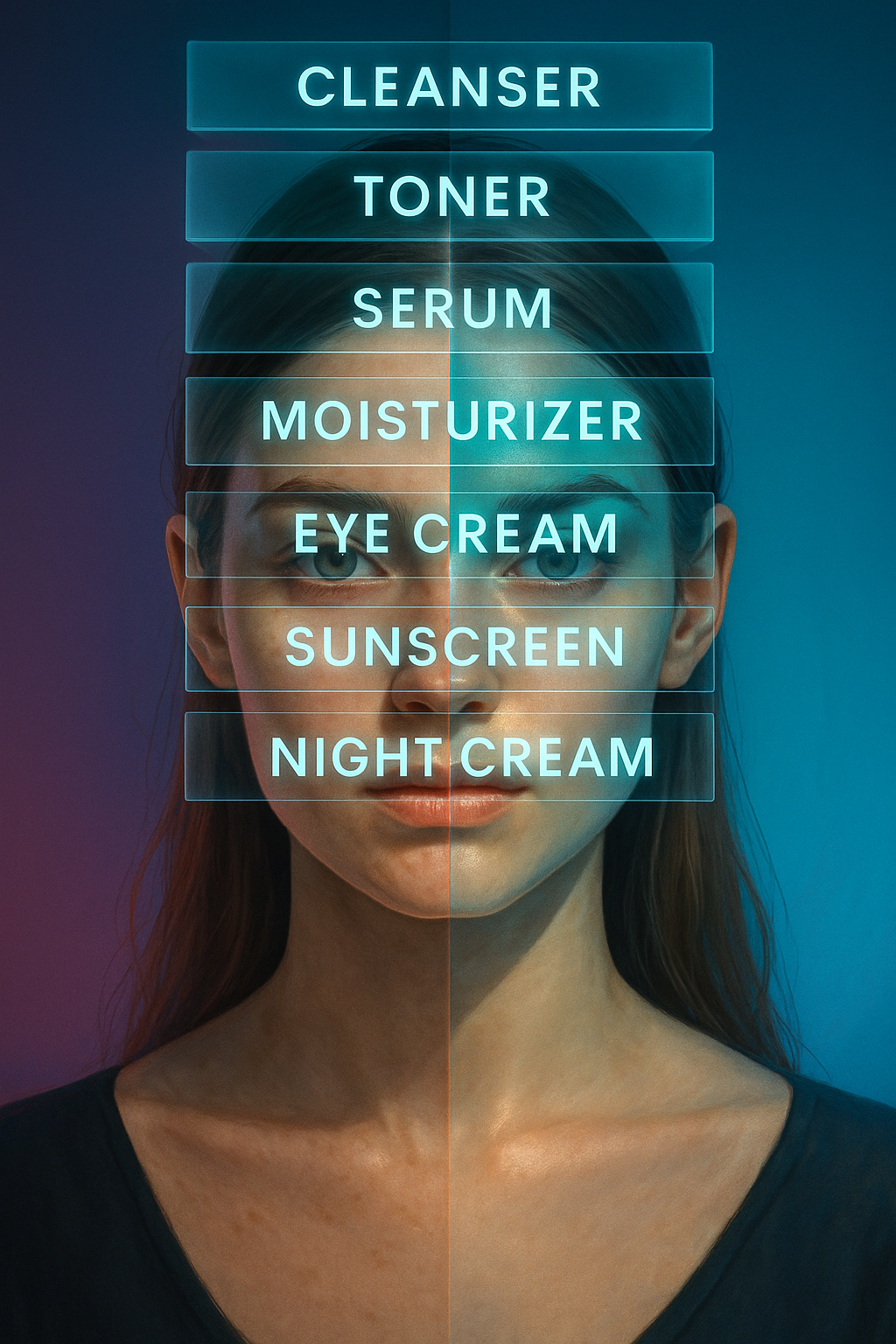
- Simplify your routine. The AAD recommends cutting back to a gentle cleanser, a fragrance-free moisturizer, and sunscreen while your barrier recovers, pausing other actives (including salicylic acid) in the meantime.
- Slow down retinoid frequency. Many dermatologists suggest using tretinoin every other night, or even twice a week, and building up tolerance gradually rather than nightly from day one — but any change to how you use a prescribed medication is worth discussing with the prescribing derm first.
- Look for barrier-supportive ingredients. Ceramides, niacinamide, and hyaluronic acid are frequently recommended by dermatologists to help support barrier repair, per Johns Hopkins Medicine guidance on general skin care.
- Avoid unproven fixes. Home remedies like straight oils or DIY treatments aren’t well studied for barrier repair and can sometimes irritate compromised skin further.
When to see a dermatologist
If irritation is severe, doesn’t improve after a week or two of simplifying your routine, or is accompanied by other symptoms like unexplained hair loss, it’s a good idea to check in with the prescribing dermatologist or your primary care provider rather than trying to troubleshoot it alone. They can confirm whether it’s genuine barrier disruption versus something else going on, and adjust your regimen accordingly.
This article is for general educational purposes and isn’t a substitute for personalized medical advice. If you’re experiencing ongoing skin irritation or other symptoms, talk to a dermatologist or your doctor.
— Gemifys