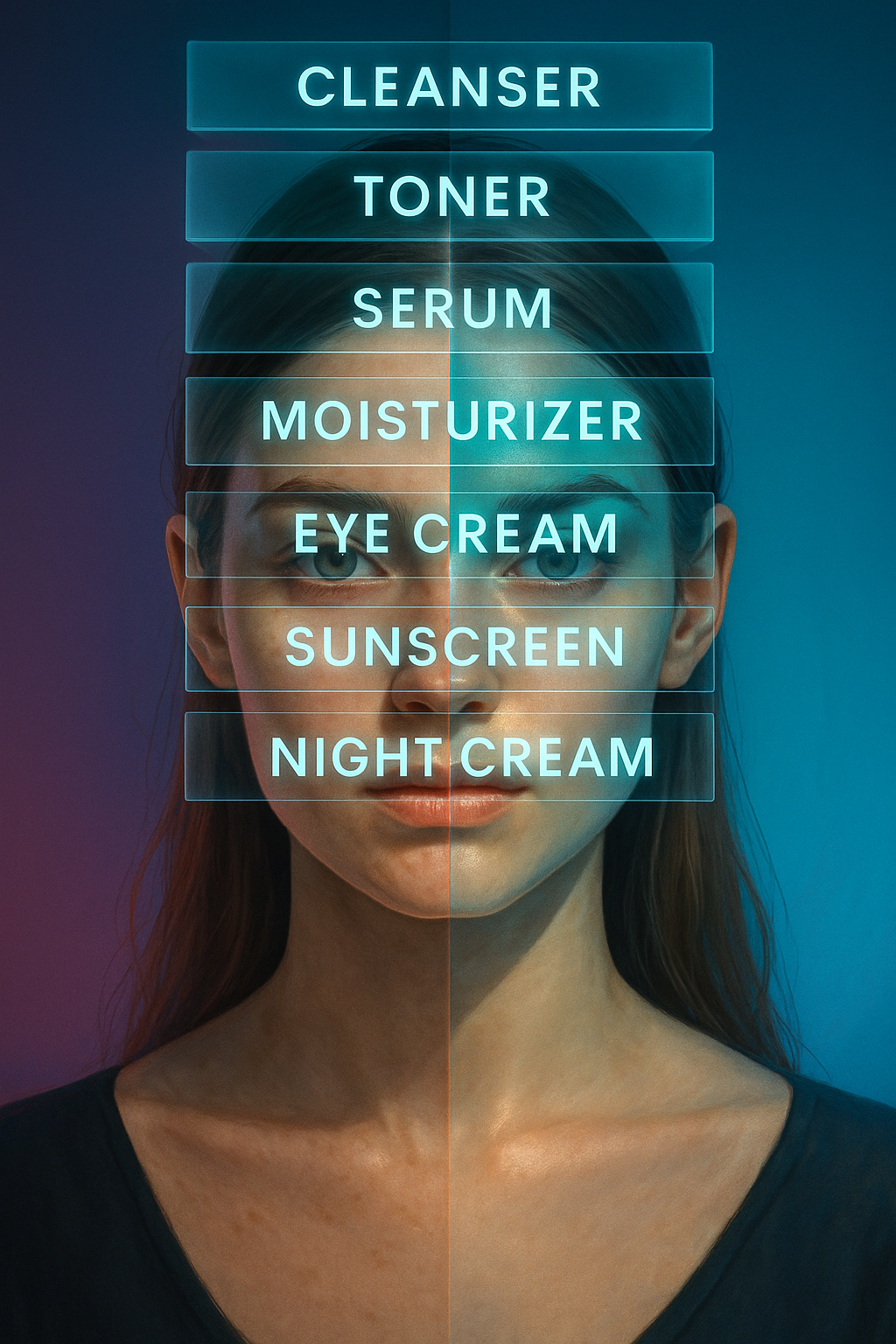
If you’ve been using tretinoin for a few months and your skin has suddenly gone from dry and flaky to shiny by midday, you’re not imagining things — and you’re not alone. It’s one of the more confusing parts of a retinoid routine, because most people expect tretinoin to dry their skin out, not make it oilier.
Why tretinoin can seem to increase oiliness
Tretinoin works by speeding up skin cell turnover and, over time, helping regulate oil (sebum) production. According to the American Academy of Dermatology, retinoids like tretinoin commonly cause an initial adjustment period marked by dryness, redness, and peeling. What can happen next, especially for combination or oily skin types, is a bit counterintuitive: as the skin barrier becomes irritated or dehydrated from the retinization process, skin can respond by producing more oil to compensate — a rebound effect that’s well documented in dermatology literature on barrier disruption. The Cleveland Clinic notes that oily skin often has multiple contributing causes — genetics, hormones, humidity, and product choice among them — so tretinoin is rarely the sole factor, but it can definitely be a piece of the puzzle, particularly in the first few months.
It’s also worth considering variables outside the retinoid itself: heat and humidity, a moisturizer that’s too heavy or too light for your skin’s current state, or a cleanser that’s stripping the skin and triggering compensatory oil production.
What may help — without ditching your tretinoin routine
A few general, widely-recommended approaches for managing oiliness alongside a retinoid routine:
Don’t over-strip the skin. Harsh, foaming, or high-pH cleansers can worsen barrier disruption and paradoxically increase oil production. A gentle, non-stripping cleanser is generally recommended alongside retinoid use.
Moisturize strategically, not minimally. It sounds backwards, but skipping moisturizer to “control oil” often backfires. A lightweight, oil-free, non-comedogenic, gel-based moisturizer can help support the barrier without adding heaviness.
Choose sunscreen carefully. Retinoids increase sun sensitivity, and the Mayo Clinic emphasizes daily broad-spectrum SPF as essential during retinoid use regardless of skin type. For oily or combination skin, mineral or gel-based, oil-free, “matte finish” formulas tend to be better tolerated than heavier creams.
Give it time before changing your routine. The initial adjustment phase to a retinoid can take several weeks to a few months to settle. Making multiple product changes at once can make it harder to tell what’s actually helping.
When it’s worth checking in with a dermatologist
Some research and clinical guidance suggests that persistent or worsening oiliness, especially paired with breakouts, painful cysts, or a skin barrier that feels compromised (stinging, burning, visible redness), is worth having evaluated in person rather than managed by trial and error. A dermatologist can assess whether the frequency or concentration of tretinoin needs adjusting, whether a different retinoid formulation might suit your skin better, or whether something unrelated to the retinoid — like hormonal changes or a reaction to another product — is contributing.
This article is general education, not a substitute for individualized medical or dermatological advice. If you’re dealing with ongoing skin changes that concern you, a board-certified dermatologist can give guidance specific to your skin and history.
— Gemifys