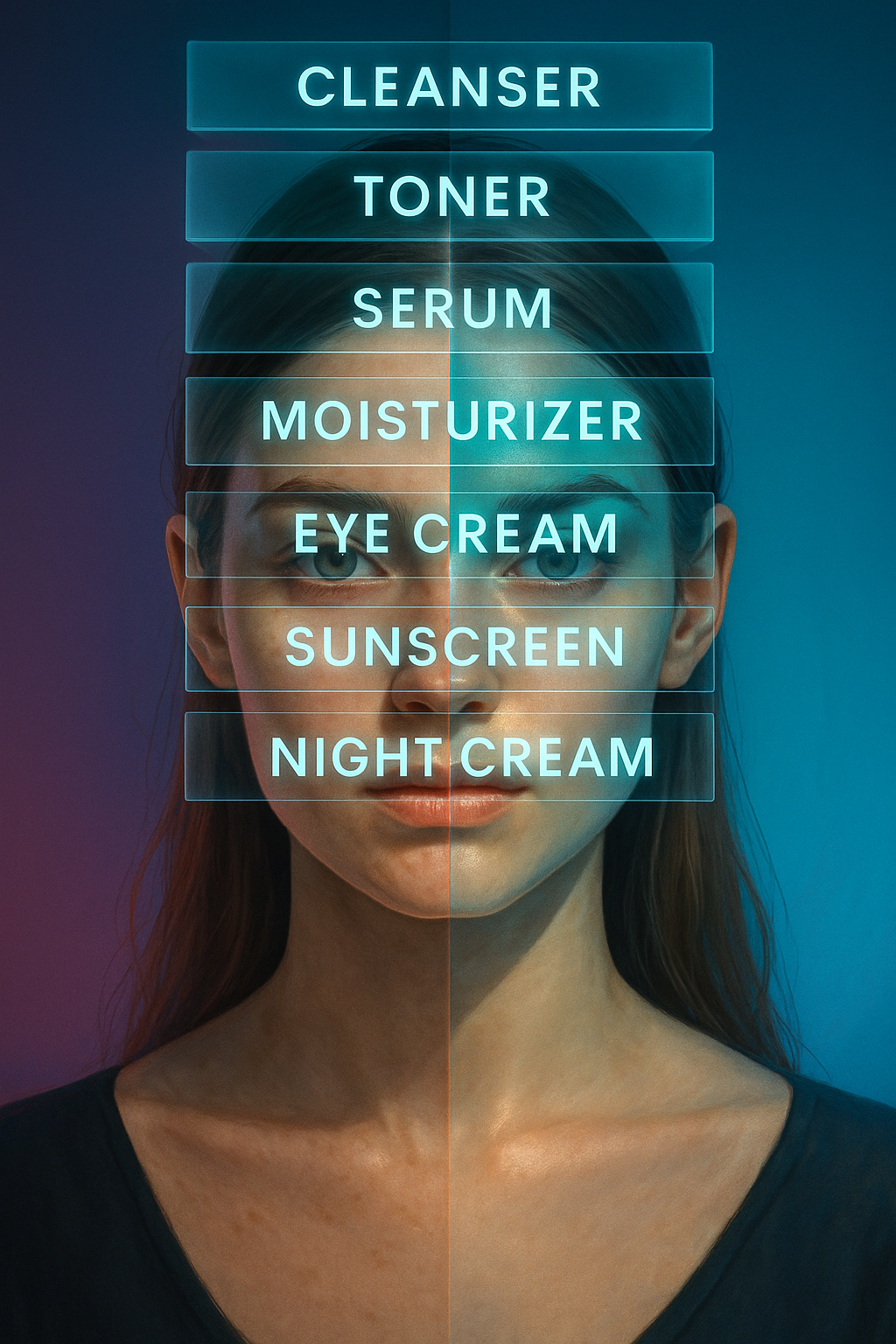

Getting a sunburn while using tretinoin is one of the fastest ways to disrupt your skin’s protective barrier — and it can turn a good routine into a frustrating setback almost overnight. If your skin has suddenly gone from “purging but manageable” to burning every time you apply moisturizer, you’re likely dealing with a compromised skin barrier, not a tretinoin problem itself.
What “barrier damage” actually means
Your skin barrier — the outermost layer of the epidermis — is what keeps moisture in and irritants out. Tretinoin speeds up cell turnover, which is why it’s effective for acne and texture, but that same process can make skin more sensitive to UV exposure and more prone to irritation while it adjusts. Layering a sunburn on top of that turnover process compounds the effect. According to the American Academy of Dermatology, retinoids like tretinoin can increase sun sensitivity, which is why consistent daily sunscreen is considered a non-negotiable part of any retinoid routine, not an optional add-on.
Signs your barrier is compromised typically include stinging or burning when you apply products that never used to bother you, persistent flaking or tightness, and skin that looks red or feels hot to the touch. The Cleveland Clinic notes that a damaged barrier struggles to retain water, which is part of why ordinary moisturizers can suddenly feel like they’re stinging rather than soothing.
What tends to help while it heals
This is general education, not a substitute for a dermatologist’s guidance on your specific skin — but some commonly recommended approaches for barrier repair include:
Pause the actives. Most dermatology sources suggest temporarily stopping tretinoin, exfoliants, and other active ingredients until the stinging and visible irritation resolve, rather than pushing through.
Simplify to the basics. A bland, fragrance-free moisturizer and a mineral-based sunscreen are generally considered gentler options while skin is compromised, since fragrance and certain chemical sunscreen filters can sting inflamed skin further.
Give it real time. Barrier recovery is often described as taking anywhere from several days to a few weeks depending on severity — a single bad sunburn combined with a month of tretinoin use may take longer to settle than mild dryness alone.
Watch for signs of a bigger problem. Persistent pain, blistering, signs of infection, or symptoms that don’t improve after a week or two off actives are reasons to see a dermatologist rather than keep guessing.
When it’s safe to reintroduce tretinoin
There’s no universal day count that applies to everyone — it depends on how damaged the barrier is and how your skin responds to the recovery period. A commonly suggested approach is waiting until skin can tolerate a basic moisturizer without stinging, then reintroducing tretinoin gradually (for example, a lower frequency than before) rather than jumping straight back to your prior schedule. If you’re unsure, a dermatologist can look at your skin directly and give guidance tailored to how it’s actually healing, which a subreddit thread or a wellness article can’t replace.
This article is for general educational purposes and isn’t a substitute for personalized medical advice. If your skin isn’t improving or you’re experiencing significant pain, swelling, or signs of infection, please see a dermatologist.
— Gemifys