
By Gemifys
If you’ve started using tretinoin, you’ve probably also started wondering what else is safe to put on your face alongside it. It’s one of the most common questions in skincare communities: once a retinoid is in the routine, does everything else need to change too?
The short answer is that tretinoin doesn’t need to be isolated from every other product, but it does change how your skin barrier behaves, and that matters for what you pair it with.
Why tretinoin changes the rules
Tretinoin (and other retinoids) speed up skin cell turnover, which is why they’re effective for acne and photoaging, but that same mechanism can temporarily thin the outer skin barrier and increase sensitivity, especially in the first several weeks of use. The American Academy of Dermatology notes that retinoid-related dryness, peeling, and irritation (“retinization”) are common early on and usually settle as skin adjusts.
Because of that adjustment period, dermatologists generally suggest building a routine around tretinoin rather than layering it into an already-active-heavy routine.
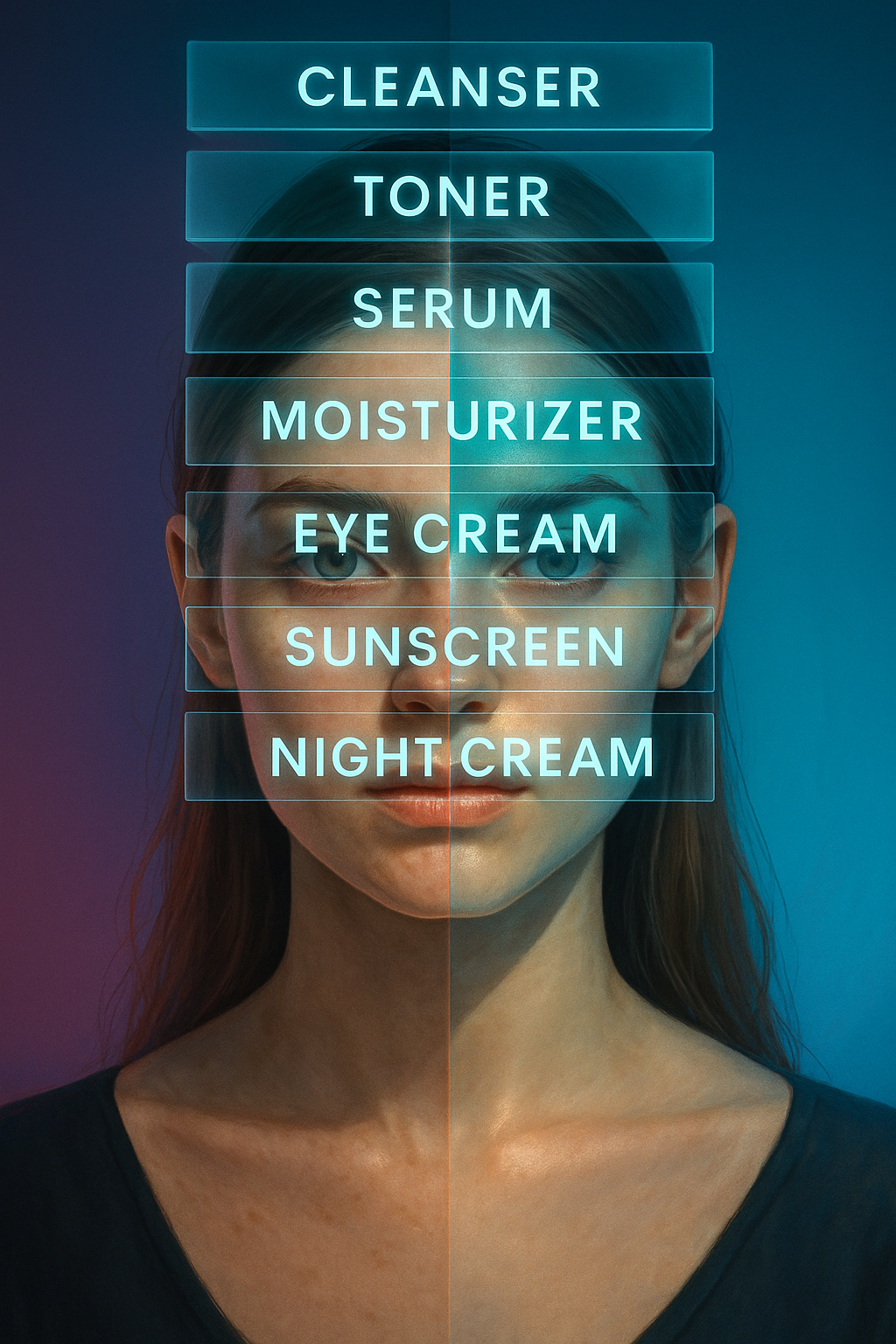
A generally sensible structure
- Cleanser: a gentle, low-foaming, fragrance-free cleanser is usually the safest pairing. Harsh or exfoliating cleansers on top of retinoid use can compound irritation.
- Hydrating steps (toners, essences, humectant serums): ingredients like hyaluronic acid, glycerin, or panthenol are generally considered compatible with tretinoin and can help offset dryness. As always, patch-test new products, since “hydrating” formulas can still contain fragrance or alcohol that irritate sensitive, retinizing skin.
- Moisturizer: a simple, barrier-supporting, fragrance-free moisturizer applied after (or, in a “sandwich” method, both before and after) tretinoin is a widely recommended way to buffer irritation, particularly for beginners.
- Sunscreen (AM, daily): non-negotiable. Retinoids increase photosensitivity, and broad-spectrum SPF 30+ is standard dermatologic advice for anyone using them, per the AAD’s sun protection guidance.
What to be more cautious about combining
Some actives are more likely to stack irritation on top of tretinoin, and dermatology sources generally advise introducing them slowly, on alternating nights, or not at all until skin has adjusted:
- AHAs/BHAs (glycolic, salicylic, lactic acid): combining chemical exfoliants with a retinoid on the same night is one of the most common causes of over-exfoliation and barrier damage in new tretinoin users.
- Vitamin C (especially l-ascorbic acid): often better tolerated in the morning, separate from nighttime tretinoin, though formulations vary.
- Benzoyl peroxide: can degrade some retinoid formulations and increase dryness; many dermatologists recommend using it at a different time of day if needed at all.
Multi-step routines that include several actives at once (exfoliating toners, acid essences, treatment serums) alongside tretinoin are where most reported irritation comes from — not because any single ingredient is “bad,” but because the combined effect on a barrier that’s already adjusting to a retinoid can be more than skin can handle.
When it’s worth checking with a dermatologist
If you’re seeing persistent redness, burning, or peeling that doesn’t improve after easing frequency (for example, dropping to every other night or every third night), that’s a signal to simplify the routine and, if it persists, check in with a dermatologist or the prescriber who recommended tretinoin. Everyone’s skin tolerates retinization differently, and a professional can tell whether what you’re seeing is expected adjustment or something that needs a different approach.
This article is for general education and isn’t a substitute for personalized advice from a dermatologist or other qualified healthcare provider, especially if you have a diagnosed skin condition or are using prescription-strength products.