By Gemifys
If you’ve recently started tretinoin and your skin suddenly looks worse before it looks better, you’re not imagining things — and you’re not alone. One of the most common questions people ask when starting a retinoid is some version of “how long is this supposed to last?” It’s a fair question, and the honest answer is that it depends on your skin, your product strength, and how your routine is set up around it.
Purging vs. a bad reaction
“Purging” refers to a temporary increase in breakouts that can happen when a retinoid speeds up skin cell turnover, bringing existing microcomedones (the early, invisible stage of a pimple) to the surface faster than they would have appeared otherwise. According to the American Academy of Dermatology, this adjustment period is a recognized and generally temporary part of starting a retinoid, and it typically affects areas where you were already prone to breakouts — not new areas of the face.
That’s an important distinction, because a true purge is usually different from an allergic reaction or irritant contact dermatitis, which tends to show up as redness, burning, or breakouts in areas that don’t usually break out. If your skin reaction includes significant swelling, blistering, or spreads well beyond your usual problem areas, that’s worth a dermatologist visit rather than waiting it out.
How long the adjustment period usually takes
Most clinical guidance suggests the initial adjustment phase for retinoids — including tretinoin — commonly runs somewhere in the range of four to six weeks, though some people report it taking up to twelve weeks before their skin visibly settles. The National Library of Medicine has published dermatology literature describing retinization (the skin’s adaptation period to retinoid use) as a gradual process, which is one reason dermatologists often recommend starting slowly — for example, a few nights a week rather than nightly — and building up tolerance over time rather than starting at full strength immediately.
If you’re several months in and still seeing consistent new breakouts with no improvement, that’s a reasonable point to check in with a dermatologist about whether the product, strength, or frequency needs adjusting, rather than assuming it’s still “purging.”
Managing oiliness and sensitivity while you wait it out
Retinoids can temporarily disrupt the skin barrier, which paradoxically can make oily skin feel oilier in some people while also causing dryness and flaking in others — sometimes both at once, in different areas. A few general, widely cited strategies from dermatology resources may help make the adjustment period more comfortable:
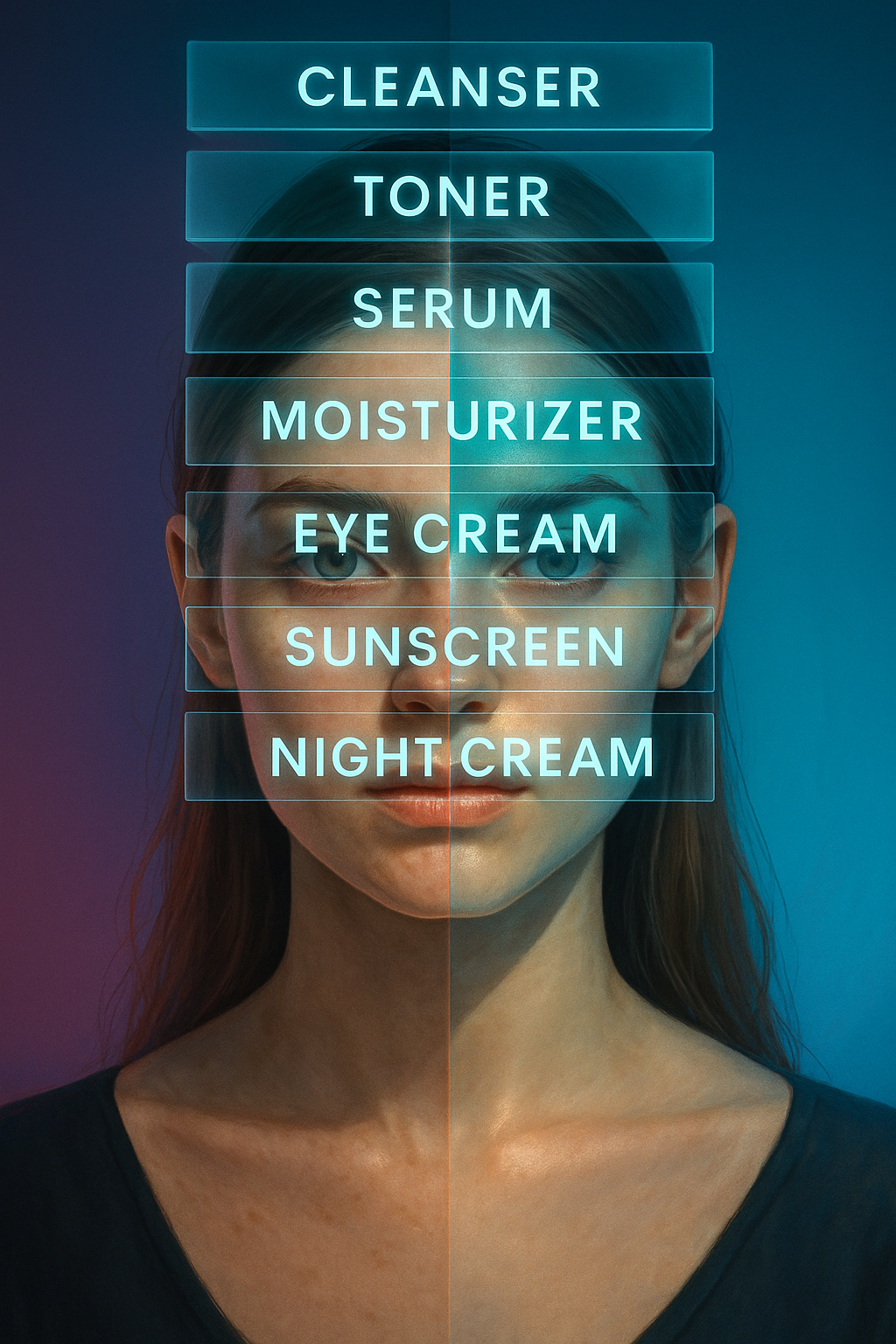
Moisturize strategically. The Cleveland Clinic and other dermatology sources generally recommend a fragrance-free, non-comedogenic moisturizer both morning and night while using a retinoid. Some people find applying moisturizer before tretinoin (“buffering”) reduces irritation, especially in the first few weeks.
Don’t skip sunscreen. Retinoids increase photosensitivity, and daytime sun protection is consistently recommended alongside retinoid use by dermatology organizations, both to protect the skin barrier while it’s adjusting and for general skin health.
Be cautious layering actives. Combining tretinoin with other strong actives (like additional exfoliants) during the adjustment period can compound irritation. Many dermatologists suggest simplifying the rest of your routine while your skin acclimates.
Give it consistent time before judging results. Stopping and restarting a retinoid repeatedly can extend the adjustment period, since the skin has to re-acclimate each time.
When to loop in a dermatologist
This is general information, not a substitute for individualized medical advice — everyone’s skin responds differently, and a board-certified dermatologist can assess your specific situation, adjust strength or frequency, and rule out anything else going on. If irritation is severe, doesn’t start improving after several weeks, or you’re unsure whether what you’re seeing is a normal adjustment period, it’s worth booking a visit rather than troubleshooting alone.