By Gemifys
If your skin has turned dry, flaky, and tight since starting tretinoin, you’re not doing anything wrong — this is one of the most common experiences people report during the first several weeks of retinoid use. It’s often called “retinization,” and while it can be uncomfortable, there are evidence-based ways to manage it, including deciding whether makeup makes sense while your skin adjusts.
Why tretinoin causes dryness and flaking
Tretinoin (a topical retinoid) speeds up skin cell turnover, which is part of why it’s effective for acne and photoaging. That faster turnover can temporarily disrupt the skin barrier, leading to dryness, peeling, redness, and sensitivity — a cluster of symptoms sometimes referred to as “retinoid dermatitis.” According to the American Academy of Dermatology, this adjustment period commonly lasts several weeks and tends to improve as the skin builds tolerance.
The National Library of Medicine’s clinical overview of topical retinoids similarly notes that irritation is dose- and frequency-dependent, which is why dermatologists often recommend starting slowly rather than applying a full-strength product every night from day one.
What tends to help
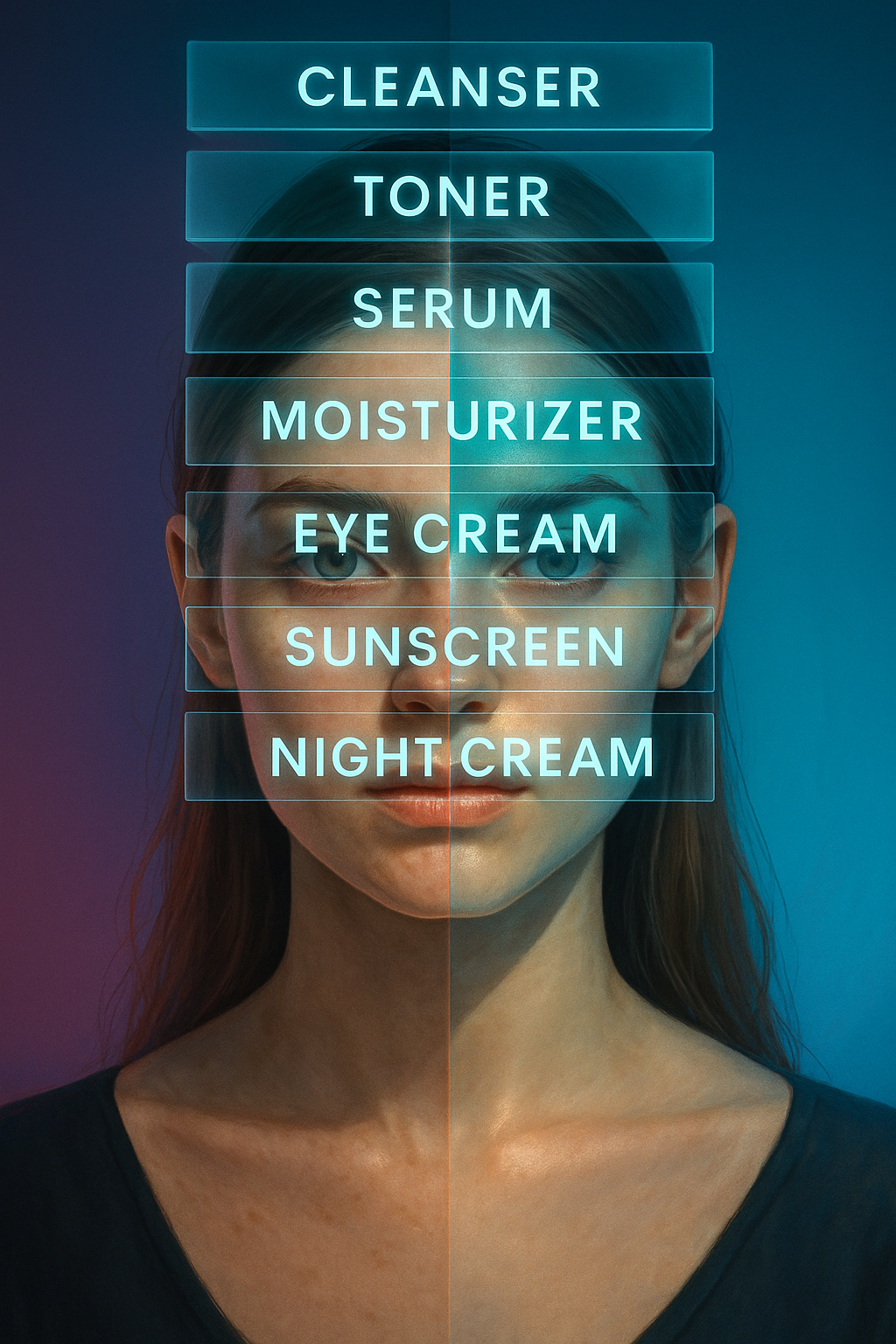
- Moisturize generously, both before and after. The “sandwich method” — moisturizer, then tretinoin, then another layer of moisturizer once it’s absorbed — is widely recommended by dermatologists as a way to buffer irritation without necessarily reducing efficacy.
- Simplify the rest of the routine. Layering multiple active ingredients (exfoliating acids, other actives) at the same time as a retinoid may increase irritation. The AAD generally advises keeping the surrounding routine gentle while the skin adjusts.
- Adjust frequency, not just amount. Applying every other night, or even every third night initially, is a common and reasonable approach — this is something to discuss with a dermatologist, since the right cadence varies by skin type and product strength.
- Prioritize a broad-spectrum sunscreen. Retinized skin is more sun-sensitive, and the CDC and dermatology guidance both emphasize daily SPF as a non-negotiable part of any retinoid routine.
Is it okay to wear makeup while your skin is flaking?
There’s no absolute rule against wearing makeup during retinization, but a few things are worth keeping in mind. Flaky, compromised skin can make foundation and powder look patchy or emphasize texture, and some people find that additional product on top of already-irritated skin increases discomfort. Many dermatologists suggest leaning toward lighter, non-comedogenic, fragrance-free formulas during this period, and gently removing makeup at the end of the day rather than scrubbing at flaky patches, since physical exfoliation on top of a retinoid can compound irritation.
If dryness is severe, doesn’t improve after a few weeks, or comes with significant burning, swelling, or open skin, that’s a good signal to check in with a dermatologist rather than push through — they may adjust your strength, frequency, or add a barrier-repair step to your routine.
This article is for general education and is not a substitute for personalized advice from a dermatologist or other qualified healthcare provider, who can evaluate your specific skin and history.