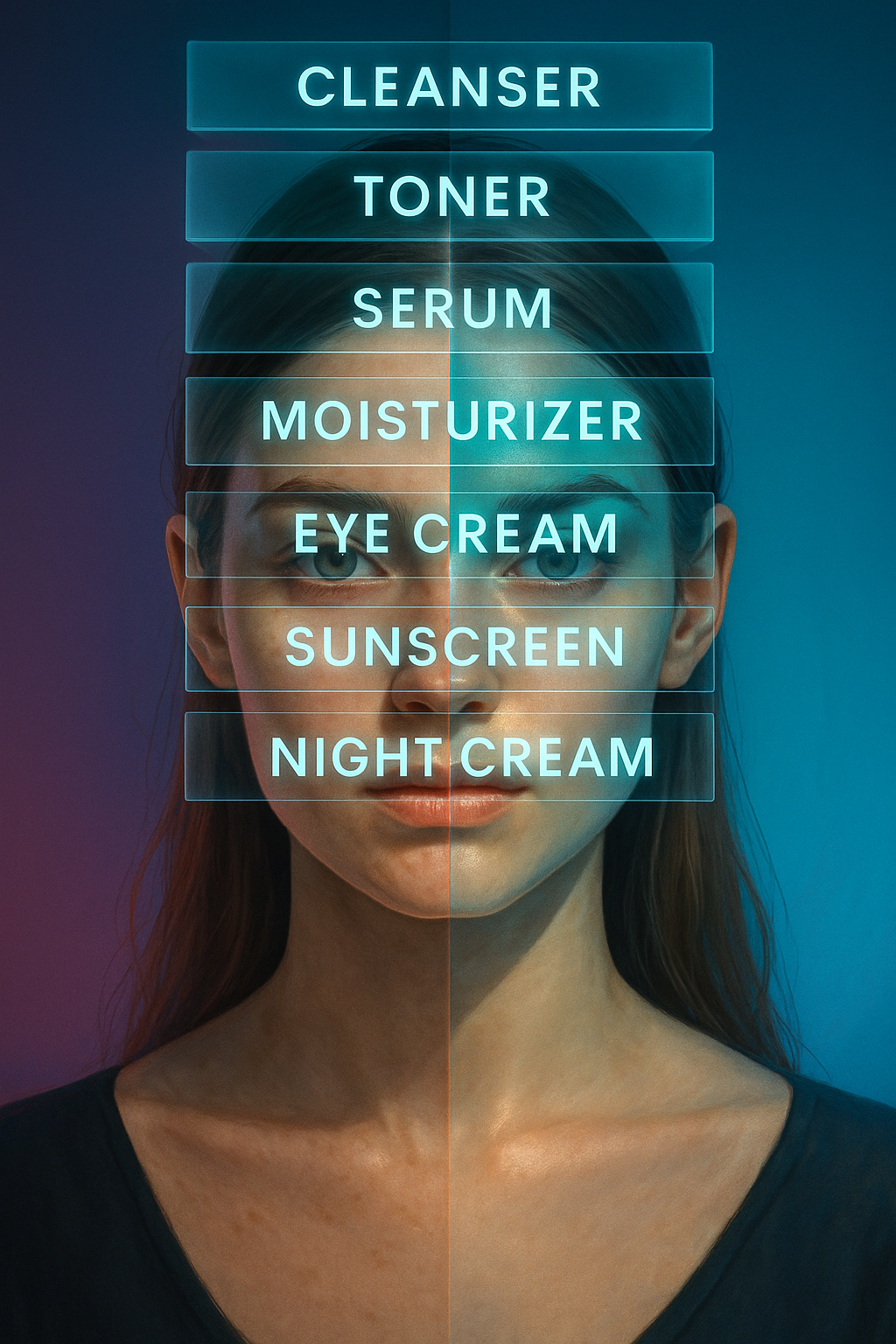
Combination skin already means balancing an oily T-zone against drier cheeks — and adding tretinoin into the mix can make that balancing act feel even trickier. If your usual moisturizer suddenly feels too heavy in some spots and not nearly enough in others, here’s a general approach dermatology sources recommend for keeping combination skin comfortable while using tretinoin.
Why Tretinoin Changes the Equation
Tretinoin is a retinoid that increases skin cell turnover, which is what makes it effective for acne and texture — but the American Academy of Dermatology (AAD) notes that this same process can temporarily weaken the skin barrier, leading to dryness, flaking, or irritation, especially in the first several weeks. For combination skin, that irritation can show up unevenly — often worse on the cheeks, which tend to have fewer oil glands, while the T-zone stays comparatively oily.
General Moisturizing Strategies
- Choose a non-comedogenic, ceramide-containing moisturizer. The Cleveland Clinic highlights ceramides as helpful for supporting a compromised skin barrier during retinoid use, without necessarily clogging oilier areas.
- Consider a “moisturizer sandwich.” Applying a light moisturizer before tretinoin and another layer after is a technique some dermatologists suggest to buffer irritation, particularly for beginners or sensitive skin.
- Zone your application. Many people with combination skin find it helpful to use a lighter, gel-based moisturizer on the T-zone and a slightly richer cream on the cheeks, rather than applying one uniform product everywhere.
- Don’t skip sunscreen. Retinoids increase sun sensitivity, and the American Cancer Society and dermatology guidance consistently recommend daily broad-spectrum SPF regardless of skin type.
If Irritation Persists
Some dryness and flaking in the first few weeks of tretinoin is common and often improves as the skin adjusts. If irritation is severe, doesn’t improve after a few weeks, or you’re unsure whether what you’re seeing is normal “purging” versus a reaction, it’s worth checking in with a dermatologist or the prescribing provider — they may recommend adjusting frequency (such as using it every other night) rather than stopping altogether. This article is general skincare education and isn’t a substitute for guidance from a dermatologist familiar with your skin and prescription.
— Gemifys