
By Gemifys
If you’ve been using tretinoin for a while and your skin still looks worse than when you started, you’re not imagining it, and you’re not doing it wrong. “When is this actually going to work?” is one of the most common frustrations people bring up in tretinoin communities, especially in the first few months. Here’s what’s typically happening, and what dermatology sources say about working through it safely.
Why tretinoin often makes skin look worse before it looks better
Tretinoin is a topical retinoid that speeds up skin cell turnover. For many people, that faster turnover triggers a temporary phase often called “purging,” where breakouts that were already forming under the skin surface more quickly. According to the American Academy of Dermatology (AAD), this adjustment period, along with dryness, redness, and peeling, is common when starting a retinoid and can last several weeks.
The Cleveland Clinic notes that visible improvement from tretinoin for acne generally takes around 6 to 12 weeks, with some people needing several months of consistent use before seeing their best results. That timeline can feel discouraging when the skin barrier is already irritated and reactive, which is exactly the point where a lot of people either quit or unintentionally make things worse by over-treating.
Signs the irritation may be more than normal purging
Some irritation is expected. But dermatology guidance is clear that ongoing pain, significant swelling, or acne that keeps getting worse for months without any plateau is worth having a professional take a look at, rather than assuming it will eventually resolve on its own. A board-certified dermatologist can tell the difference between a normal adjustment period, a reaction to the specific formulation or strength being used, and an unrelated skin issue that tretinoin alone won’t fix.
What may help while your skin adjusts
- Slow down the frequency. The AAD and Mayo Clinic both note that many people tolerate retinoids better by starting a few nights a week and building up, rather than nightly from day one. If irritation is severe, going back to a lower frequency for a while is a legitimate strategy, not a failure.
- Buffer the application. Applying a fragrance-free moisturizer before or shortly after tretinoin can reduce irritation for some people, per AAD guidance on retinoid use.
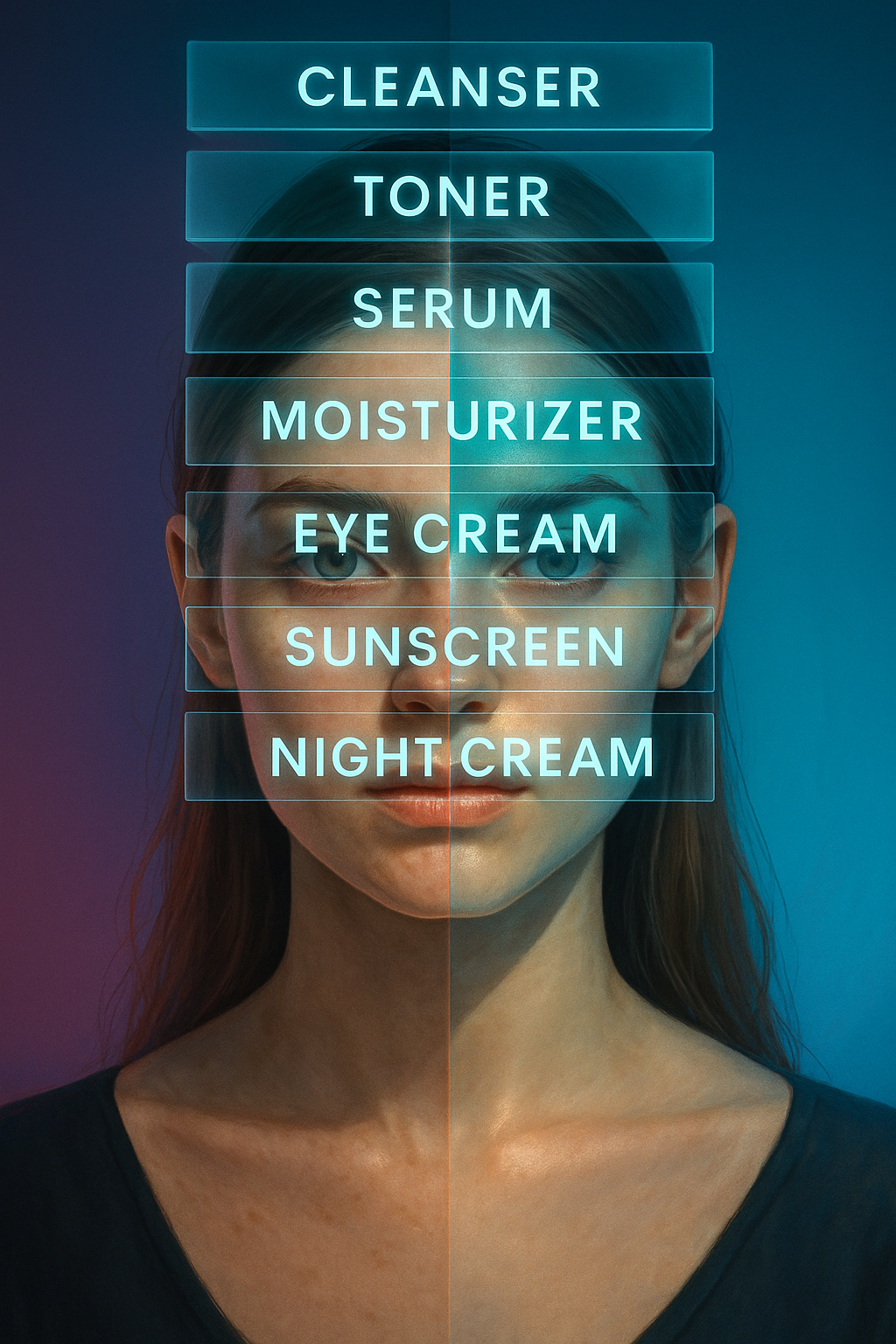
- Prioritize a simple, gentle routine. Layering multiple active ingredients (exfoliating acids, other acne treatments) at the same time as tretinoin can compound irritation. Dermatology sources generally recommend simplifying the rest of the routine while the skin adjusts.
- Daily sunscreen, no exceptions. Retinoids increase sun sensitivity. The Mayo Clinic specifically flags this as important for anyone using tretinoin.
When to talk to a dermatologist
Tretinoin doesn’t work identically for everyone, and “does it actually work for everyone” is a fair question — it doesn’t. Skin type, the underlying cause of the acne, concentration, formulation, and consistency of use all matter. If it’s been several months with no improvement at all, or the irritation is severe and not settling down, that’s a reasonable point to check in with a board-certified dermatologist about adjusting strength, formulation, or trying a different approach altogether, rather than continuing to push through discomfort alone.
This article is for general educational purposes and is not a substitute for personalized medical advice. If you’re struggling with ongoing skin irritation or acne that isn’t improving, please consult a board-certified dermatologist.