If you’ve recently started tretinoin and ended up with burning, tightness, or peeling that feels like more than the usual “retinization” period, you’re not alone — and you’re not necessarily doing anything wrong. A damaged skin barrier is one of the most common reasons people abandon tretinoin altogether, even though in many cases the fix is a temporary step back, not a permanent one.
What’s actually happening to your skin
Tretinoin speeds up skin cell turnover, which is exactly why it works so well for acne, texture, and photoaging over the long term. In the short term, though, that faster turnover can temporarily thin the outermost protective layer of skin (the stratum corneum), making it easier for irritants, water loss, and sensitivity to creep in. According to the American Academy of Dermatology, this adjustment period is expected for most retinoid users, but it can tip over into true barrier damage — sometimes called irritant or retinoid contact dermatitis — when a strong percentage, daily use, or other actives (like benzoyl peroxide washes) are introduced too quickly, without a break-in period.
Signs it’s gone beyond normal purging
- Burning or stinging that lasts more than 10–15 minutes after application, or happens with plain water and gentle moisturizer
- Redness, puffiness, or tightness that spreads beyond where the product was applied
- Peeling that looks raw or “weepy” rather than flaky
- Skin that reacts painfully to nearly everything you put on it, including previously well-tolerated products
If any of this sounds familiar, most dermatology sources agree the right move is to pause the retinoid — not push through it.
A general approach some clinicians describe for recovery
The specifics should always come from your own dermatologist or prescriber, but the general framework discussed by sources like the Mayo Clinic and the AAD for barrier repair typically includes:
- Stop the retinoid and other actives (exfoliating acids, benzoyl peroxide, retinol) until the skin calms down.
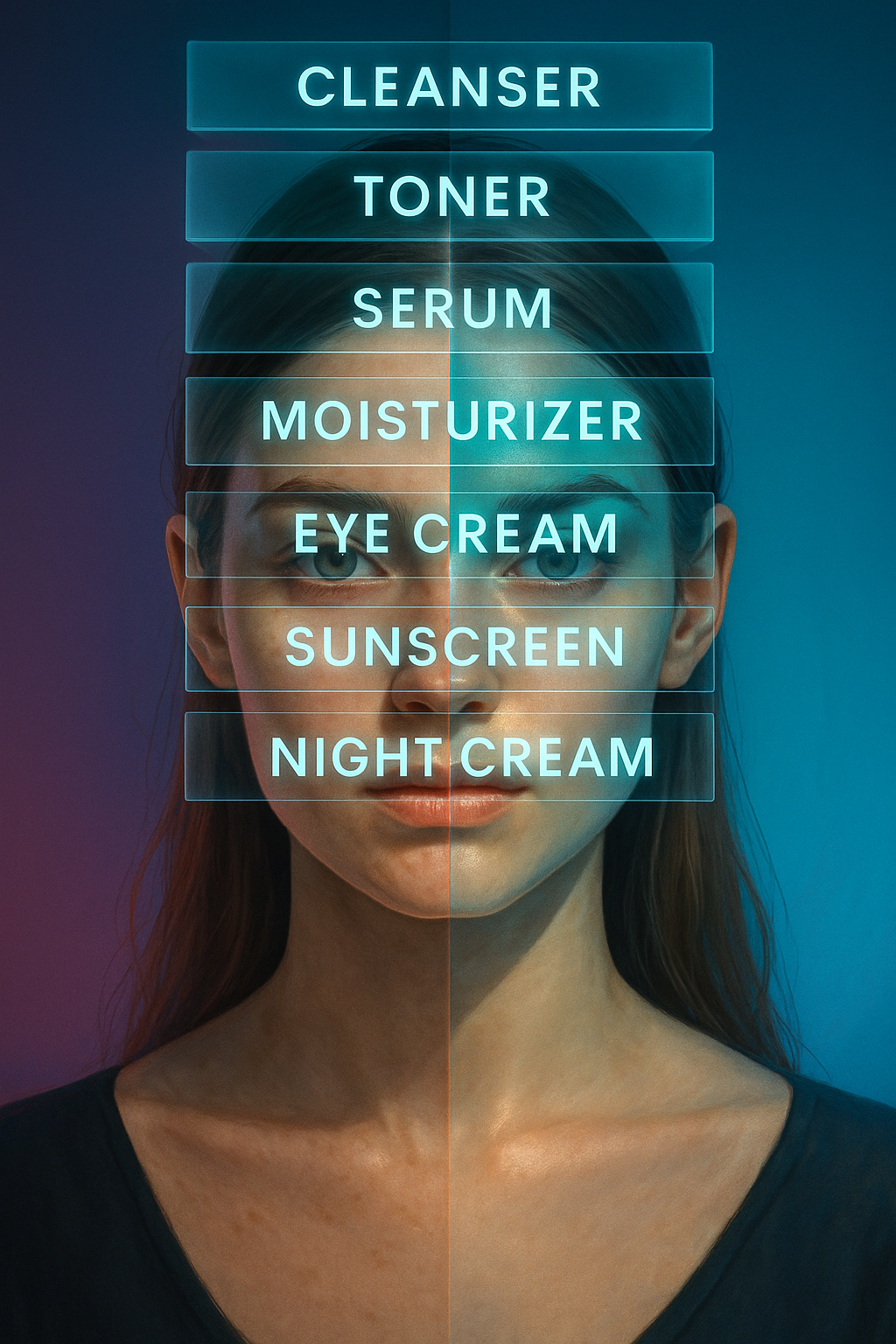
- Simplify to the basics: a gentle, fragrance-free cleanser, a bland moisturizer (often containing ceramides), and broad-spectrum SPF 30+ during the day.
- Avoid over-washing or hot water, which can further strip the barrier.
- Reintroduce slowly, if and when your dermatologist agrees — often at a lower frequency (for example, every third night rather than nightly) and using the “moisturizer sandwich” method, where moisturizer is applied both before and after the retinoid to buffer its effect.
When to actually see a dermatologist
Self-care steps help most mild cases, but it’s worth booking an appointment if irritation lasts more than a few days despite stopping products, if you notice signs of possible infection (increasing warmth, swelling, or pus), or if a prescriber started you on tretinoin without any guidance on frequency or a break-in schedule. A dermatologist can also help distinguish ordinary retinization from a separate issue, like allergic contact dermatitis or an underlying condition such as eczema or rosacea flaring at the same time.
This article is for general education only and is not a substitute for personalized medical advice. If you’re experiencing skin irritation, especially anything severe or persistent, talk to a board-certified dermatologist about a plan that fits your skin and your specific prescription.
— Gemifys