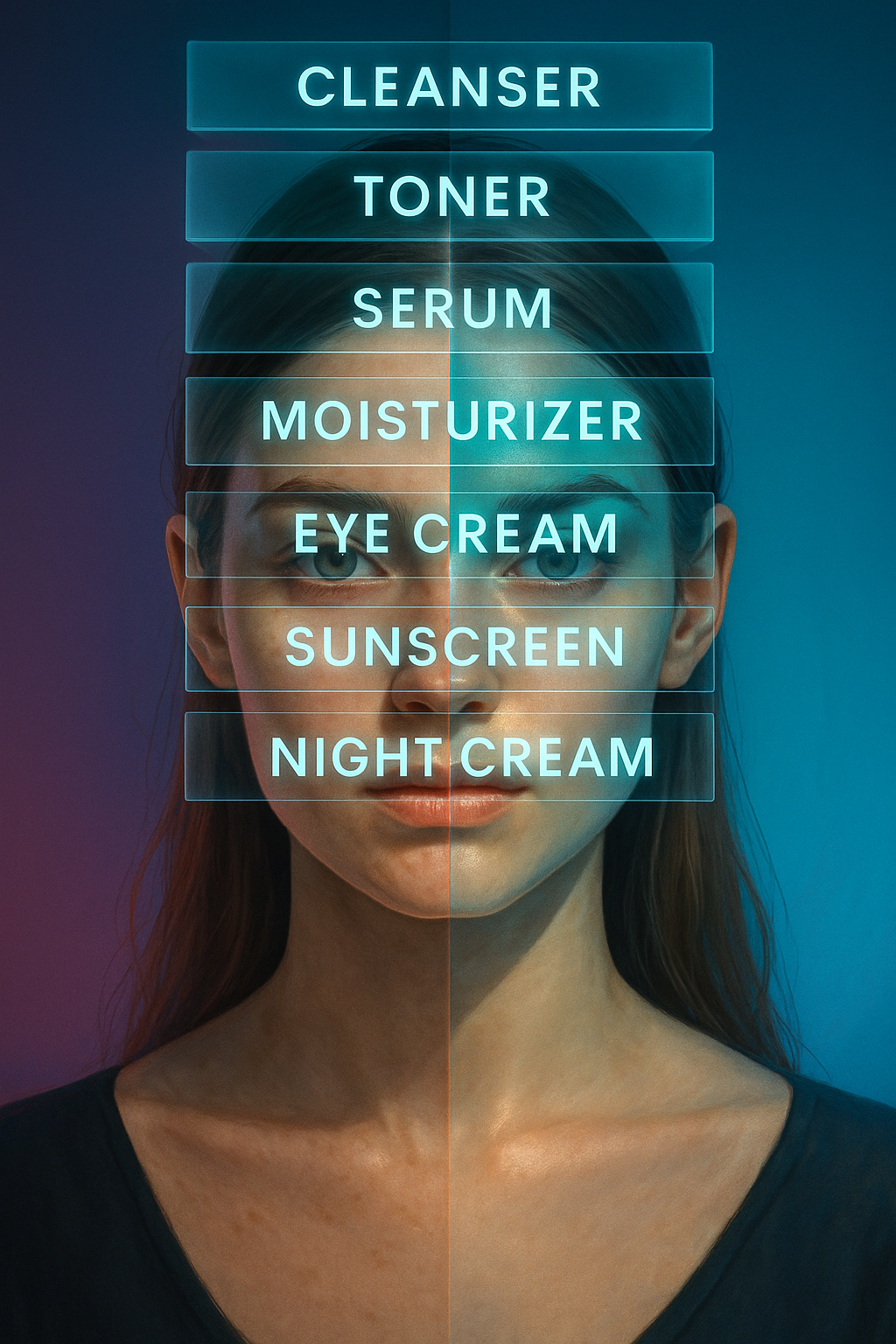

Starting tretinoin often comes with a confusing side effect: skin that feels more oily, not less — especially around the nose and T-zone, sometimes alongside new small bumps or clogged pores. If that sounds familiar, you’re not doing anything wrong, and it’s a well-documented part of how retinoids affect the skin, particularly in the early weeks or after a change in routine (such as transitioning off a course of isotretinoin, as is sometimes the case).
Why tretinoin can make skin oilier before it improves
Tretinoin is a topical retinoid, a vitamin A derivative that speeds up skin cell turnover and can bring pre-existing microcomedones (invisible clogged pores) to the surface faster than they’d normally clear — a process often called “purging.” According to the Cleveland Clinic, it’s common to see acne temporarily look or feel worse in the first several weeks of use before it improves, and irritation, dryness, redness, and peeling are all recognized side effects as skin adjusts.
Research on retinoids and the skin’s oil (sebaceous) glands has found the relationship is more complex than “retinoids just dry out skin.” Some studies indicate retinoids can influence sebaceous gland activity and lipid composition during the adjustment period, which may contribute to the skin feeling different — sometimes oilier, sometimes drier — as it re-regulates (PubMed). Meanwhile, compensatory oil production can also occur when a barrier is irritated or a routine over-strips natural moisture, prompting glands to produce more sebum to compensate.
What may help while your skin adjusts
- Give it real time. Most dermatology guidance frames the first 4-8 weeks of retinoid use as an adjustment period, and the Cleveland Clinic notes it can take several weeks before you see or feel real improvement.
- Simplify, don’t stack actives. Layering multiple exfoliating or oil-control products alongside tretinoin can increase irritation, which in turn can trigger more compensatory oil production. A review on reducing retinoid-induced irritation emphasizes gentle, consistent routines with a bland moisturizer and gradual introduction of the retinoid rather than combining it with other active ingredients (PMC).
- Moisturize even if skin feels oily. An impaired moisture barrier can paradoxically increase oil production. A lightweight, non-comedogenic moisturizer both morning and night — used consistently, not skipped on oilier days — tends to be more effective than trying to “dry out” the skin further.
- Watch for true irritation versus normal adjustment. Per Mayo Clinic, contact your prescriber if you notice severe redness, swelling, blistering, or symptoms that feel disproportionate to a normal adjustment period.
When to check in with a dermatologist
If oiliness, new breakouts, or comedones persist well beyond the first couple of months, or if you’re combining tretinoin with a recent course of isotretinoin or other active treatments, it’s worth having your dermatologist or prescriber review your specific routine and history. They can tell whether what you’re seeing is a normal, temporary adjustment or something that calls for a change in product, frequency, or concentration — that kind of individualized guidance isn’t something a general article can safely replace.
This article is for general educational purposes and is not a substitute for individualized medical advice. Always talk to a dermatologist or healthcare provider about your specific skin, medications, and treatment history before changing your skincare routine.
— Gemifys