
Starting tretinoin is often described as a simple routine — apply, wait, repeat — but the first week can leave a lot of people wondering what comes next. If you’ve made it through your initial nights of short-contact application and you’re not sure whether to keep going nightly, switch to every other night, or slow down further, you’re not alone. Here’s a general, evidence-informed overview of how dermatologists typically think about the transition out of the introductory phase.
Why the first week matters
Tretinoin is a retinoid, and it works by increasing skin cell turnover, which is why it’s used for both acne and photoaging. That same mechanism is also what causes the dryness, flaking, and sensitivity — often called “retinization” or the retinoid adjustment period — that many people notice in the first few weeks. According to the American Academy of Dermatology, starting slowly and building tolerance gradually is one of the most consistent recommendations for reducing irritation while still getting the benefits of the medication.
What generally comes after the first week
There’s no single universal schedule, and what’s appropriate can vary by tretinoin strength, formulation, and individual skin sensitivity, which is why input from a dermatologist or prescribing clinician matters. That said, a commonly described general pattern looks something like this:
Many short-contact or introductory routines start with the product on for a limited time (such as 20–60 minutes) a few nights a week, then washed off. From there, people often gradually increase either the frequency (moving toward nightly use) or the duration the product stays on, rather than doing both at once. The Cleveland Clinic and similar clinical resources generally describe easing into daily use over several weeks as tolerance builds, rather than jumping straight to nightly application.
Signs you may be moving too fast
Some degree of dryness and mild flaking is common and often expected during adjustment. However, according to dermatology guidance summarized by Cleveland Clinic, signs that you may want to pull back the frequency include significant redness, stinging that doesn’t settle, peeling that affects your ability to wear the product comfortably, or irritation that lingers well past the next application. If any of that happens, easing off to every third night, or pausing for a few nights and resuming at a lower frequency, is a widely recommended approach rather than pushing through.
Supporting your skin barrier during the transition
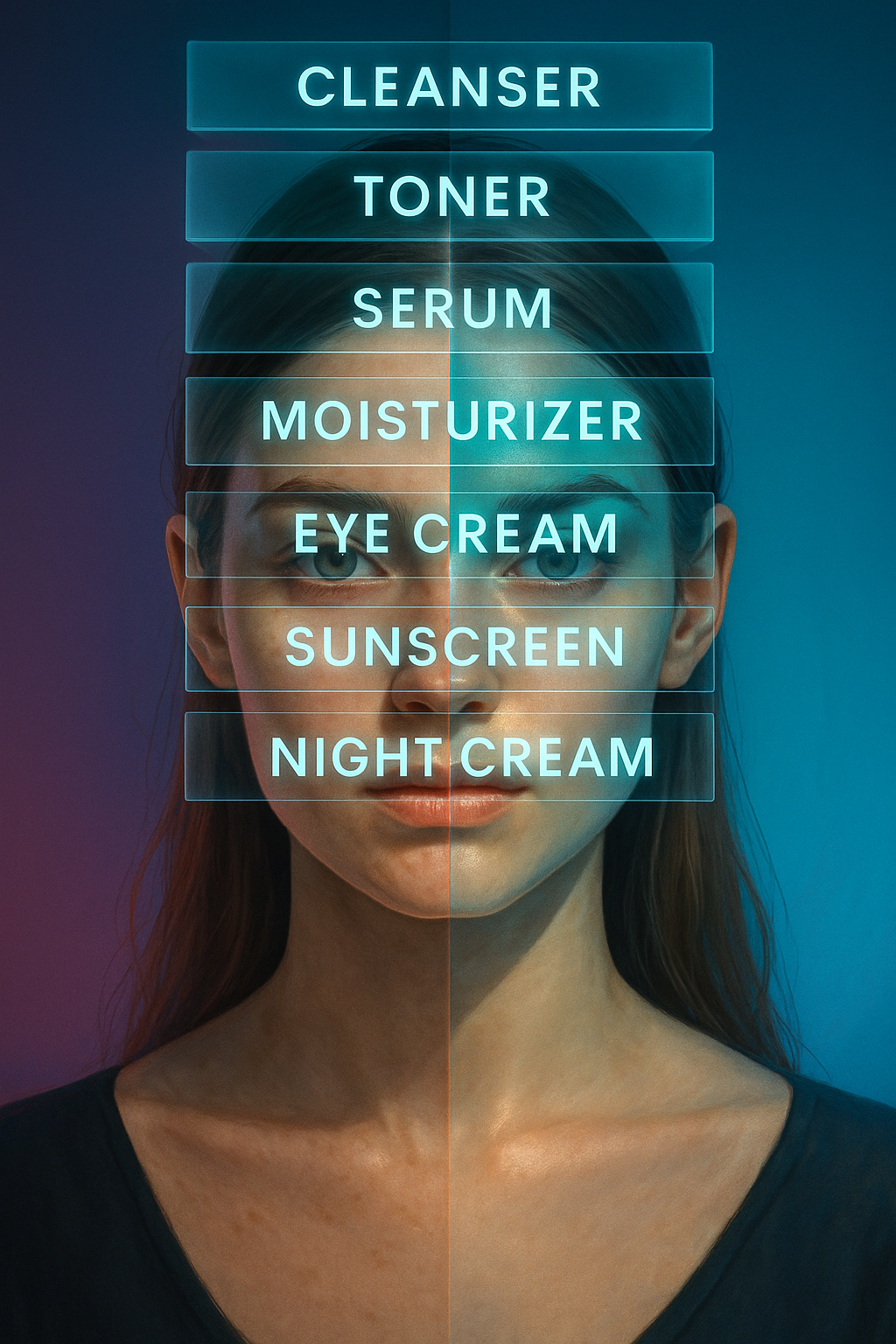
A gentle, fragrance-free moisturizer and daily sunscreen are consistently recommended alongside retinoid use. Retinoids can increase sun sensitivity, so the AAD and other dermatology sources recommend daily broad-spectrum SPF regardless of season. Applying moisturizer before or after tretinoin (sometimes called “buffering” or “sandwiching”) is a technique some clinicians suggest to reduce irritation, particularly for people with sensitive or acne-prone skin who are new to retinoids.
The bottom line
Moving past the first week of tretinoin is generally less about a fixed calendar and more about listening to how your skin responds and adjusting gradually. If irritation is manageable, many people slowly increase frequency toward nightly use over several weeks. If it isn’t, backing off and going slower is a normal and expected part of the process, not a sign that the medication isn’t working. Because tolerance, skin type, and formulation strength all vary, it’s worth checking in with your prescribing dermatologist or clinician about a specific ramp-up schedule tailored to you, especially if irritation is significant or doesn’t improve.
This article is for general educational purposes and is not a substitute for personalized medical advice. Always consult your dermatologist or healthcare provider about the tretinoin regimen that’s right for your skin.
— Gemifys