Starting tretinoin is a bit of a rite of passage in skincare circles — and also one of the most common sources of first-week panic. Redness, flaking, and a sense that your skin has gotten worse instead of better are extremely common in the early weeks, and understanding why can make the difference between sticking with it and giving up too soon.
What tretinoin actually does
Tretinoin is a topical retinoid — a vitamin A derivative — that speeds up skin cell turnover and has decades of clinical evidence behind its use for acne and photoaging. According to the American Academy of Dermatology, retinoids are considered one of the most effective topical treatments for acne, but they also commonly cause an adjustment period sometimes called “retinization” or, colloquially, “purging.”
The Mayo Clinic lists redness, peeling, dryness, and mild stinging as expected side effects, particularly in the first two to six weeks, that often improve as the skin adjusts.
How to make the first few weeks more tolerable
- Start slow. Many dermatologists recommend applying tretinoin just two to three nights a week initially, gradually increasing frequency as tolerance builds, rather than jumping straight to nightly use.
- Use the “sandwich method.” Applying a gentle, fragrance-free moisturizer before and after tretinoin can buffer irritation without meaningfully reducing effectiveness, a technique commonly recommended by dermatology providers for sensitive skin.
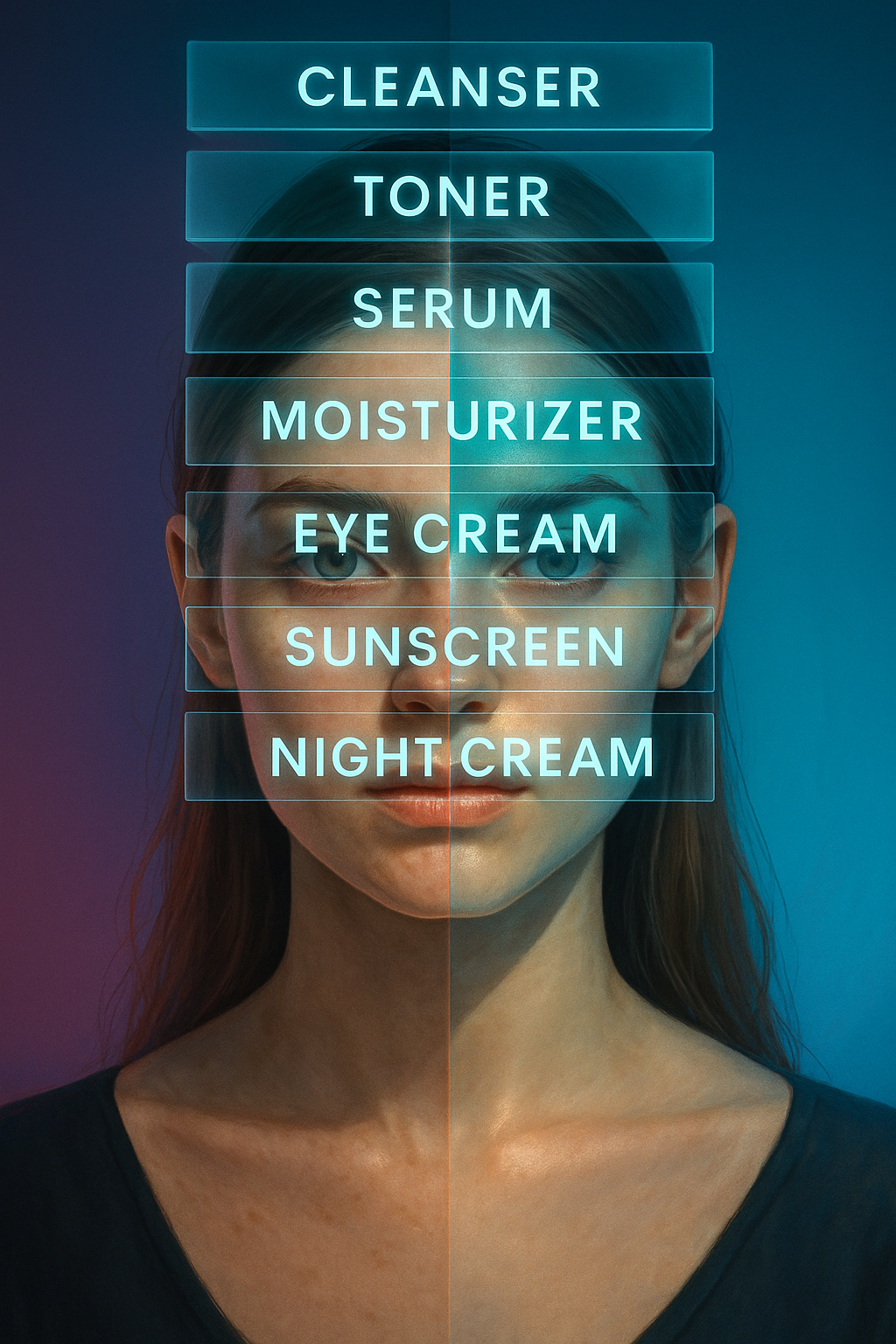
- Keep the rest of your routine minimal. Actives like exfoliating acids, benzoyl peroxide, or other retinoids used at the same time can compound irritation. The Cleveland Clinic recommends a simple, fragrance-free cleanser and moisturizer routine while your skin adjusts.
- Sunscreen is non-negotiable. Tretinoin increases photosensitivity, and the American Academy of Dermatology advises daily broad-spectrum SPF 30+ for anyone using a retinoid, both to prevent irritation and to protect the skin long-term.
- Expect a timeline, not a light switch. Visible improvement in acne or texture typically takes 8–12 weeks of consistent use, per dermatology sources, so short-term flaking is not necessarily a sign that it isn’t working.
When irritation is more than “purging”
Some redness and peeling is expected, but signs like significant swelling, blistering, or irritation that doesn’t improve after several weeks of a reduced application schedule are reasons to check in with a dermatologist or prescriber rather than push through on your own. Tretinoin is also not recommended during pregnancy — anyone who is pregnant or trying to conceive should discuss alternatives with their doctor.
This article is for general educational purposes and isn’t a substitute for individualized advice from a dermatologist, who can tailor a routine to your specific skin type and concerns.
— Gemifys