
Anyone who uses tretinoin regularly has probably wondered the same thing on a sunny day: if I get some sun exposure — even wearing sunscreen — does that undo some of the benefit I’m getting from my retinoid? It’s a reasonable question, and the answer involves two separate issues that are worth untangling.
Tretinoin and sun sensitivity are about safety, not “cancelling out” results
Retinoids like tretinoin increase how sensitive skin is to UV light, and they can also make skin more prone to sunburn, according to guidance from the American Academy of Dermatology. That’s the main reason dermatologists consistently recommend daily broad-spectrum sunscreen for anyone using tretinoin — it’s primarily a safety measure to reduce sun damage and irritation, not a way to “protect” the medication’s effectiveness in a mechanical sense.
Separately, UV exposure itself contributes to the kind of collagen breakdown and photoaging that topical retinoids are often used to help improve. So getting meaningful sun exposure — even with sunscreen and reapplication, since no sunscreen blocks 100% of UV rays — doesn’t chemically deactivate the tretinoin already in your skin, but ongoing sun exposure can work against some of the long-term skin-texture goals people use tretinoin for in the first place.
So does occasional sun exposure “waste” your tretinoin?
Not in the way it’s sometimes framed. A few hours outside with sunscreen applied and reapplied is a normal part of life, not a reason to feel like your skincare routine failed for the day. Some tanning can still occur even with correctly applied SPF, largely because most people don’t apply enough sunscreen or reapply as often as needed — the American Cancer Society’s sun safety guidance notes that reapplication every two hours (more often if swimming or sweating) is what’s actually recommended, which is more frequent than many people realize.
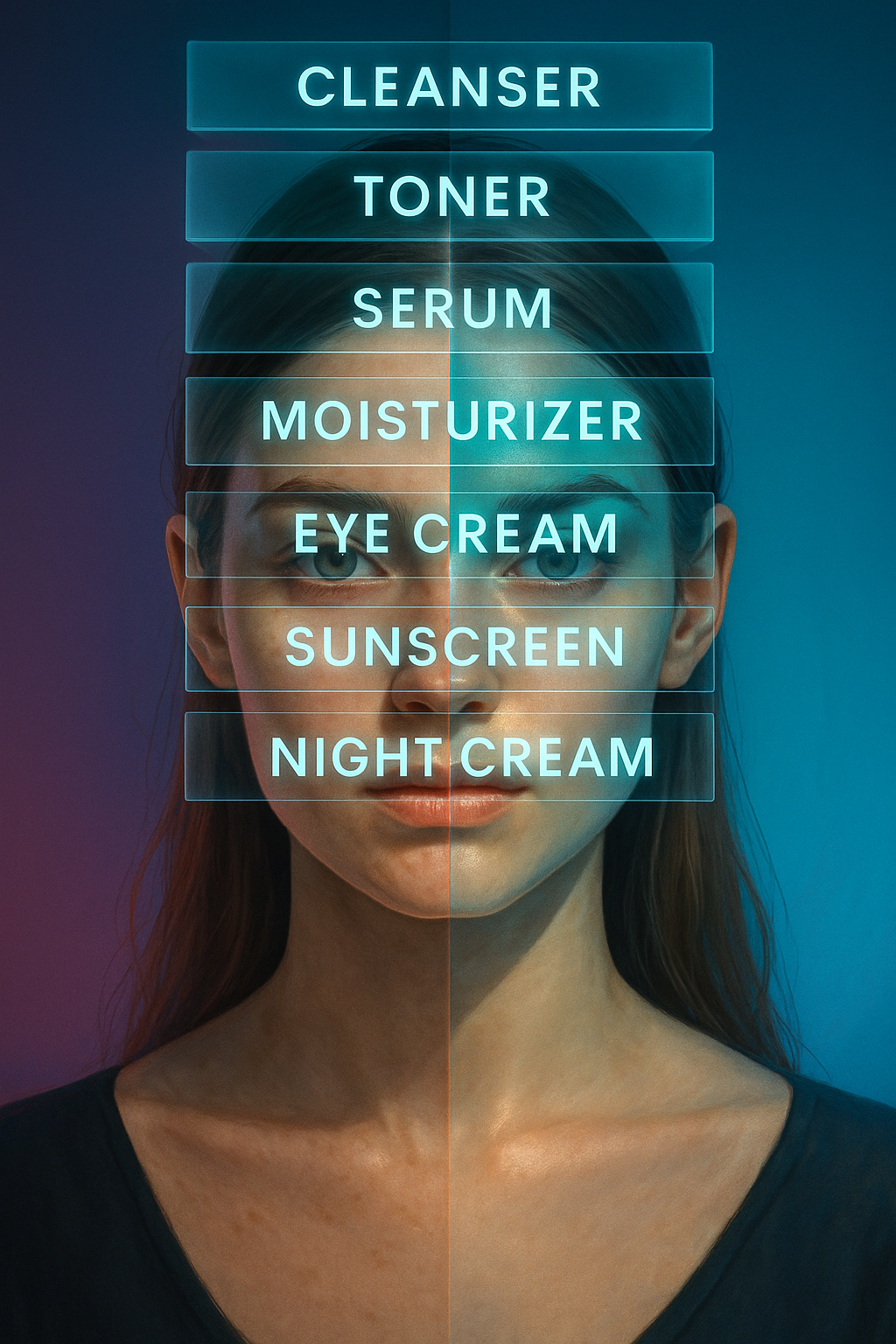
The practical takeaway many dermatologists suggest: use tretinoin at night, apply broad-spectrum SPF 30+ every morning regardless of how much outdoor time you expect, reapply during extended sun exposure, and treat sunscreen as protecting your skin generally — not as a variable that determines whether your retinoid “worked” that day.
When it’s worth asking a professional
If you’re noticing unusual irritation, sunburn, or a reaction that seems disproportionate to your sun exposure while using tretinoin, that’s worth bringing up with a dermatologist rather than adjusting your routine based on general information. They can look at your specific skin, formulation, and concentration and advise accordingly.
For more background, see the National Library of Medicine and the American Academy of Dermatology for peer-reviewed and clinical guidance on retinoid use and photoprotection.
— Gemifys