
By Gemifys
If you’ve recently started tretinoin and your skin looks worse before it looks better, you’re not imagining things — and you’re not alone. One of the most common questions in skincare communities right now is some version of: “I started tretinoin, my acne got worse, and now I have dark marks. Did I do something wrong?” In most cases, no. What you’re likely experiencing is a well-documented phase called retinization, often nicknamed “purging.”
What’s actually happening during a tretinoin purge
Tretinoin (a prescription retinoid) speeds up skin cell turnover. According to the American Academy of Dermatology (AAD), retinoids work in part by pushing built-up debris and microcomedones — the tiny, not-yet-visible clogs already forming under the skin — to the surface faster than they would have appeared on their own. That can look like a temporary flare of small bumps or pimples in the first few weeks to couple of months of use, particularly in areas that were already prone to breakouts.
The Cleveland Clinic and NIH’s StatPearls resource on topical retinoids both describe this adjustment period as common, alongside dryness, peeling, and mild irritation, especially when a retinoid is introduced too quickly or at too high a strength for a person’s skin.
Purging vs. a genuine bad reaction — the difference that matters
This distinction matters because the right response is different depending on which one is happening:
- Purging tends to show up in areas you already broke out, resolves within roughly 4–6 weeks as your skin adjusts, and comes with textbook retinoid dryness/flaking.
- A true reaction or intolerance tends to show up in new areas you don’t normally break out, doesn’t improve (or keeps getting worse) past the 6–8 week mark, and may include swelling, significant pain, or widespread rash rather than typical comedonal bumps.
If it’s the second pattern, that’s a reasonable time to go back to a prescribing dermatologist rather than push through — a dose or frequency adjustment (or a short pause) is a normal, non-failure outcome.
What about the dark marks left behind?
The hyperpigmentation that lingers after a pimple heals — post-inflammatory hyperpigmentation (PIH) — is a separate process from the acne itself, and it’s especially common in people with medium to deep skin tones. The AAD notes that PIH generally fades on its own over months, and that daily broad-spectrum sunscreen is one of the most important (and most skipped) things you can do to keep it from getting darker or lasting longer, since UV exposure re-triggers pigment production in the affected skin.
Ingredients like azelaic acid, vitamin C, and niacinamide have some evidence for helping fade PIH faster, but they work gradually — over a few months, not days — and layering too many actives at once alongside a retinoid can itself cause irritation. Introducing one new product at a time makes it much easier to tell what’s helping and what’s causing problems.
Practical steps if you’re mid-purge
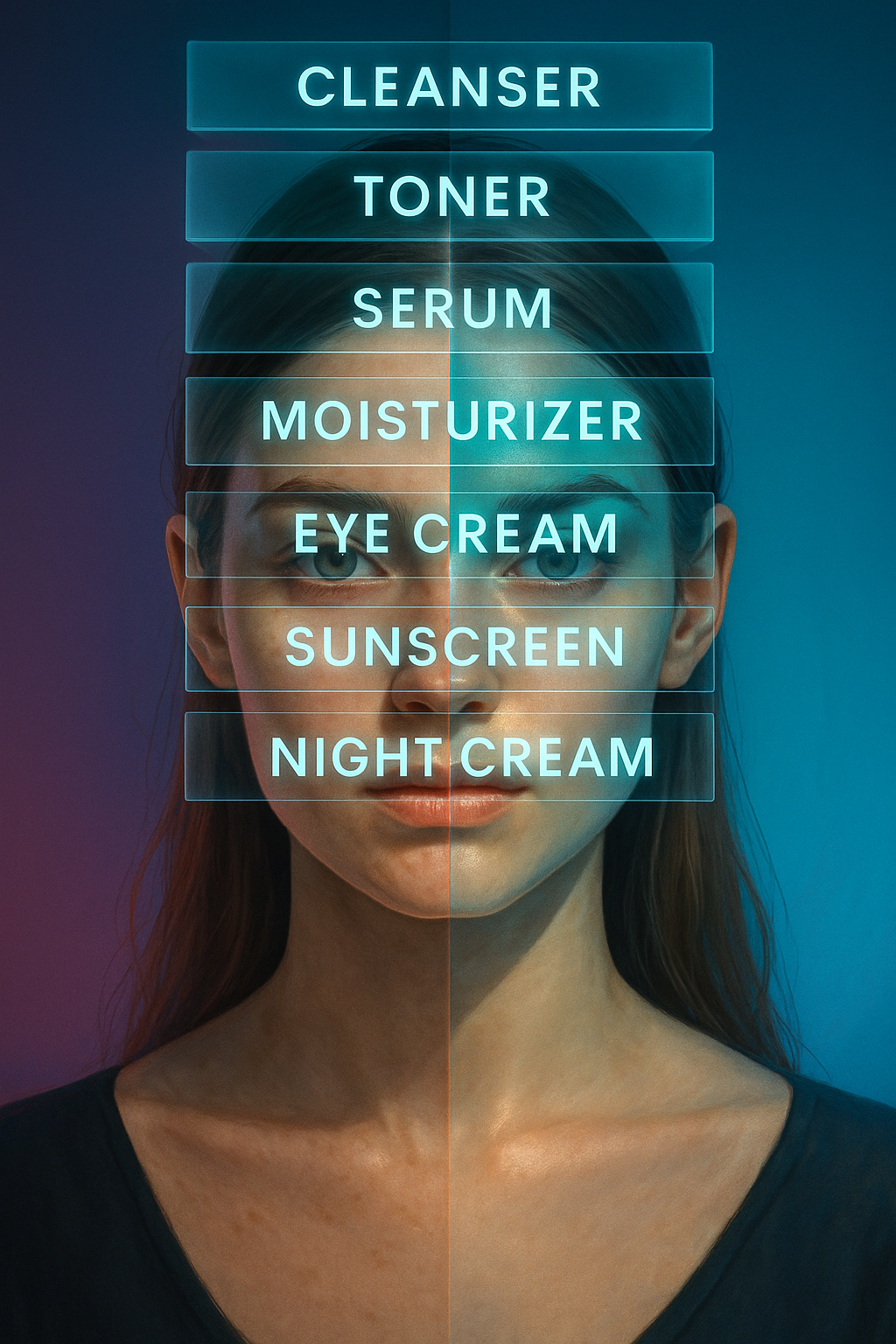
- Stick to a simple routine: gentle non-stripping cleanser, tretinoin as prescribed, a fragrance-free moisturizer, and daily SPF 30+.
- Give it a full 8–12 weeks before judging whether it’s working — most retinoid studies measure improvement on that timeline, not days or a couple of weeks.
- Don’t add new actives (exfoliating acids, other retinoids, strong vitamin C) during the adjustment period — it makes it harder to tell what’s causing irritation.
- If irritation is severe, ask your prescriber about the “buffering” method (applying moisturizer before or mixed with the retinoid) or reducing frequency to every other night rather than stopping altogether.
This article is for general educational purposes and is not a substitute for personalized medical advice. If you’re unsure whether what you’re experiencing is normal or need your routine adjusted, check with your prescribing dermatologist.