By Gemifys
Redness, peeling, and stinging in the early weeks of a retinoid routine — whether that’s tretinoin or a newer formulation like trifarotene — are extremely common, and they don’t necessarily mean something is wrong. Understanding why this happens can make it much easier to stick with a routine long enough to see the benefits.
Why retinoids cause irritation
Retinoids work by speeding up skin cell turnover, which is part of what makes them effective for acne and photoaging — but that same mechanism can temporarily disrupt the skin’s outer barrier. The American Academy of Dermatology notes that dryness, redness, and peeling (sometimes called “retinization” or a “retinoid purge”) are a well-recognized part of the adjustment period for many people, particularly in the first two to six weeks.
What dermatology sources generally suggest
- “Buffering”: applying a gentle moisturizer before or shortly after your retinoid can reduce irritation without meaningfully reducing effectiveness, according to guidance summarized by the Cleveland Clinic.
- Start slow: many dermatologists recommend beginning with every-other-night or every-third-night application and building up frequency gradually as tolerance improves.
- Keep the rest of the routine simple: avoiding other actives (like exfoliating acids or benzoyl peroxide applied at the same time) while your skin adjusts can help limit compounded irritation.
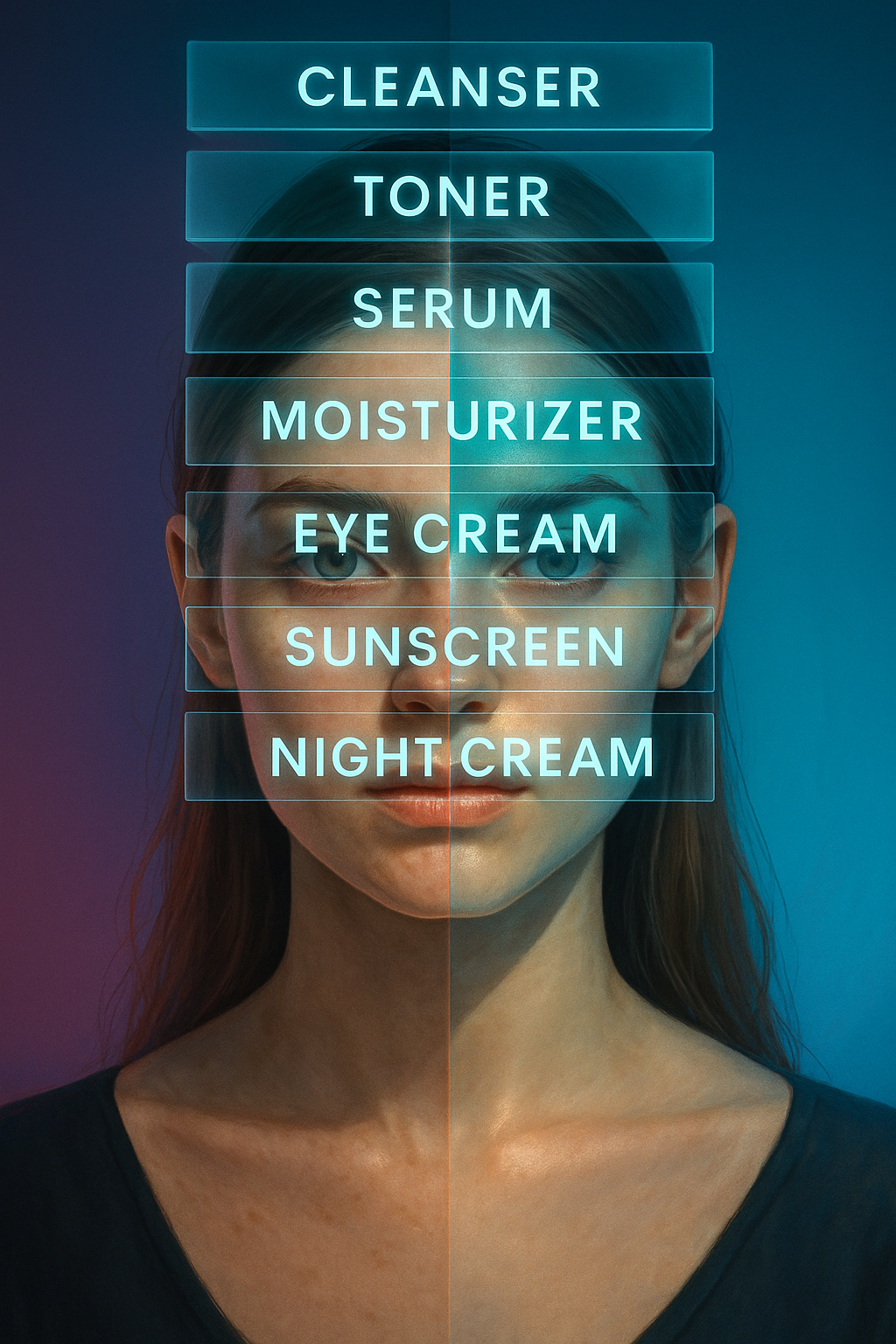
- Sunscreen is non-negotiable: retinoids can increase sun sensitivity, and the AAD recommends daily broad-spectrum SPF for anyone using them.
- Fragrance-free, non-comedogenic moisturizers can help support the skin barrier while it recovers.
When to check in with a dermatologist
Mild redness and flaking that gradually improves over several weeks is typical. However, it’s worth reaching out to a dermatologist if irritation is severe, doesn’t improve after four to six weeks of consistent, gentle use, or if you notice signs of a possible allergic reaction such as significant swelling, blistering, or hives. A dermatologist can also help adjust strength, formulation, or frequency to something better suited to your skin.
This article is for general educational purposes only and is not a substitute for professional medical or dermatological advice. If you’re experiencing persistent or severe skin irritation, please consult a dermatologist.