If your skin has gotten noticeably oilier since starting tretinoin, you’re not alone, and it’s a genuinely confusing side effect — most people expect a retinoid to dry their skin out, not make it shinier. Both reactions are actually recognized responses to retinoids, and understanding why can make it easier to manage.
Why tretinoin can trigger more oil, not less
Tretinoin works by speeding up skin cell turnover and, over time, normalizing how skin cells behave — including cells in the sebaceous (oil-producing) glands. In the initial weeks, many people go through what’s often called a “retinization” or purging period, where the skin barrier is adjusting and can become irritated, flaky, and dry in some areas while producing more surface oil in others as a compensatory response. The American Academy of Dermatology notes that mild irritation, dryness, and peeling are common and expected during the first several weeks of retinoid use as skin adjusts. Increased oiliness during this adjustment window is a commonly reported, if less talked-about, part of that same process for some people.
It’s often temporary, but not always
For many, oiliness settles down as the skin barrier adapts, typically over four to twelve weeks. For others, especially those with naturally oily or acne-prone skin, tretinoin can unmask or interact with a skin type that runs oilier at baseline. Cleveland Clinic describes skin irritation as a common tretinoin side effect that often improves with continued, consistent use, but recommends checking in with a prescriber if side effects are severe or don’t improve.
What tends to help
- Use a gentle, oil-free, non-comedogenic moisturizer — paradoxically, under-moisturizing can worsen the compensatory oil response by leaving skin dehydrated.
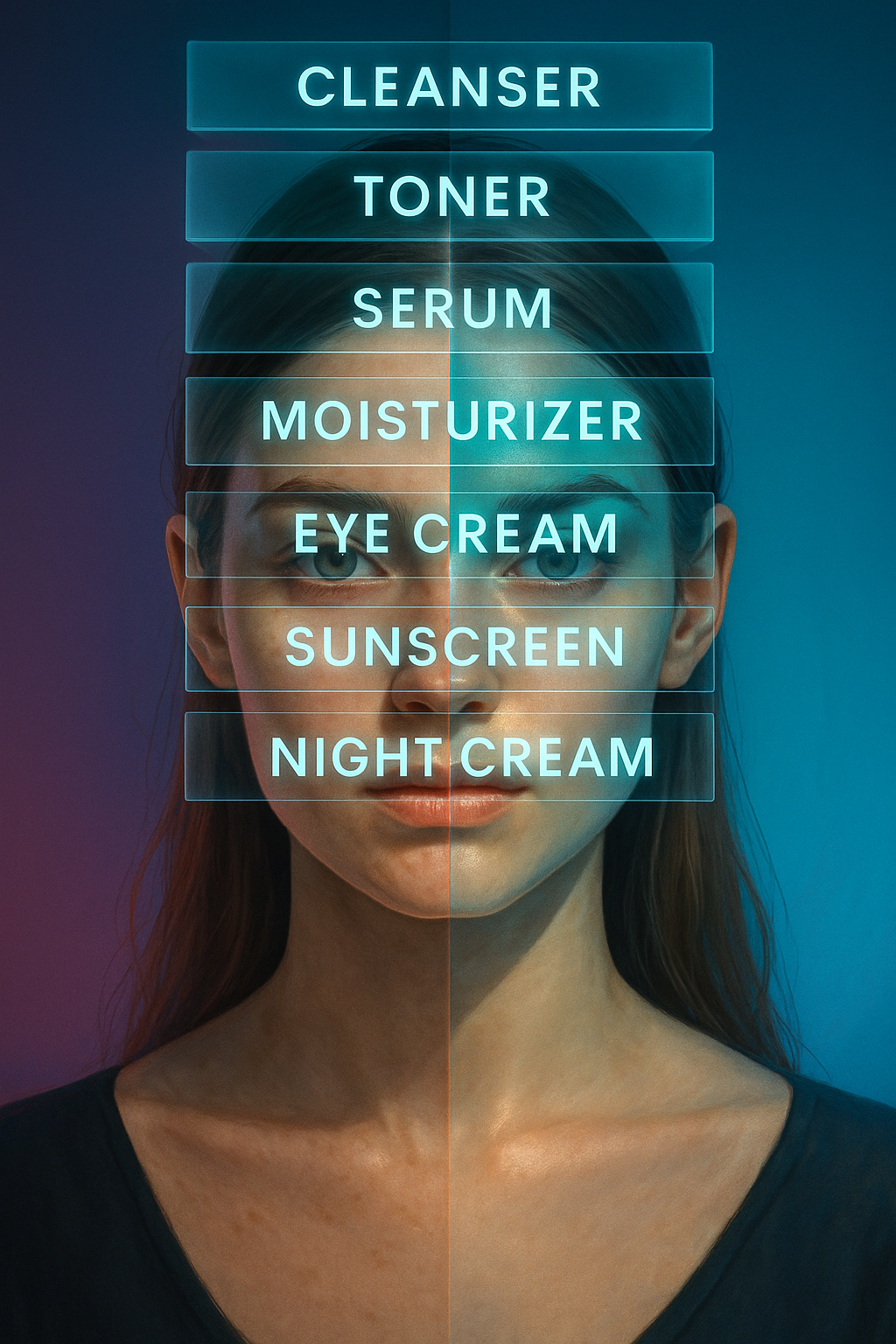
- Stick to a simple routine while adjusting: a gentle cleanser, moisturizer, tretinoin at night, and a broad-spectrum sunscreen in the morning, since retinoids increase sun sensitivity per the AAD.
- Consider the “sandwich method” some dermatologists suggest (moisturizer, then tretinoin, then moisturizer again) to reduce irritation while the skin adjusts — this is a general strategy some clinicians recommend, not a substitute for individualized guidance.
- Don’t increase frequency to “push through” faster. Applying tretinoin more often than prescribed generally increases irritation rather than speeding up adjustment.
- Blotting papers or an oil-control (non-stripping) cleanser can help manage shine day to day without over-drying skin that’s already irritated underneath.
If oiliness comes with painful breakouts, doesn’t improve after a couple of months, or is accompanied by significant irritation, it’s worth checking back in with the prescribing dermatologist — they may adjust concentration, frequency, or suggest a different formulation.
This article is for general educational purposes only and is not a substitute for professional medical advice. Talk with a dermatologist about any persistent or severe skin reactions to prescription treatments.
— Gemifys