When Tretinoin Irritation Won’t Quit, Look at What Else Is in the Routine
Anyone who has started tretinoin knows about “purging” — the stretch of redness, flaking, and sometimes new breakouts that can show up in the first several weeks as skin cell turnover speeds up. The American Academy of Dermatology notes that retinoid-related irritation is common early on and typically eases as the skin adjusts. But some people push through weeks of burning, stinging, and stubborn breakouts that never seem to calm down — and the usual advice (“just stick with it”) stops being helpful.
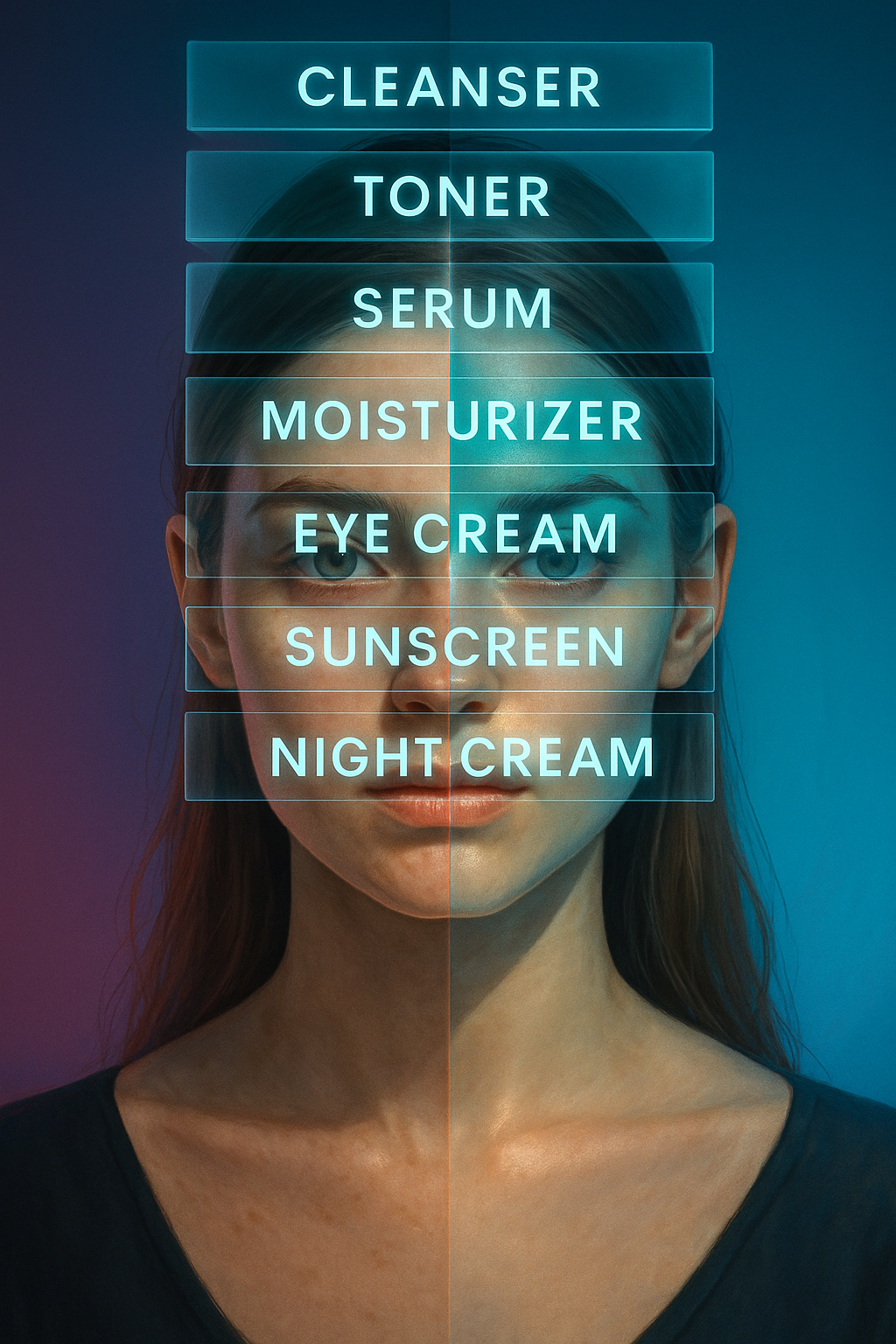
In cases like that, it’s worth stepping back and asking whether tretinoin is actually the only variable, or whether something else in the routine is compounding the irritation.
Azelaic Acid Is Generally Well Tolerated — But Not Universally
Azelaic acid is frequently recommended alongside or instead of retinoids because it’s considered gentler for many skin types, and it has research support for acne and rosacea-related redness. The Cleveland Clinic and other dermatology resources describe it as generally well tolerated, with side effects like mild tingling, dryness, or itching being the most commonly reported.
“Generally well tolerated” is a population-level statement, though, not a guarantee for every individual. A meaningful subset of people do experience more pronounced stinging, burning, or breakouts from azelaic acid, particularly when it’s layered with other actives like a retinoid. When two potentially irritating ingredients are used together — especially both a retinoid at night and azelaic acid in the same routine — it can be genuinely difficult to tell which one is driving ongoing irritation, since the symptoms can look similar.
How to Untangle Which Ingredient Is the Problem
Dermatology guidance on introducing actives generally supports a few practical steps when irritation won’t resolve:
- Simplify the routine. Temporarily removing one active at a time — rather than adding more barrier-repair products on top of an already irritated barrier — makes it easier to see what’s actually causing the reaction.
- Give each change enough time. Skin needs roughly one to two weeks to show a clear response to a change, so switching multiple things every few days makes cause and effect hard to read.
- Prioritize barrier support. Fragrance-free moisturizers with ceramides, along with consistent daily SPF, are widely recommended by dermatology sources to help a reactive barrier recover, regardless of which active turns out to be the trigger.
- Watch for cystic or worsening lesions specifically. Ongoing purging is typically described as smaller, more superficial breakouts that improve over time — new or worsening cysts and nodules that don’t settle are a signal to check in with a dermatologist rather than waiting it out.
The Takeaway
If tretinoin has been blamed for irritation that isn’t improving despite weeks of consistent, gentle use, it may be worth looking at everything else layered into the routine — azelaic acid included — rather than assuming the retinoid is automatically the cause. Removing one variable at a time is the most reliable way to find out. Persistent burning, widespread breakouts, or symptoms that don’t improve after a routine change are good reasons to check in with a board-certified dermatologist, who can assess your specific skin and adjust a regimen safely.
This article is for general educational purposes and is not a substitute for personalized medical advice. Talk to a dermatologist or other qualified healthcare provider before starting, stopping, or combining prescription skincare treatments.
— Gemifys