By Gemifys
If your skin has gone from “purging” to genuinely irritated — think persistent redness, stinging, or a rash that looks more like dermatitis or rosacea than the usual retinoid flaking — you’re not alone, and you’re not doing tretinoin “wrong.” Retinoid dermatitis is a well-recognized side effect, especially in the first few months of use or after increasing strength or frequency. The question a lot of people land on is simple: is it okay to pause?
Why tretinoin irritates skin in the first place
Tretinoin speeds up skin cell turnover, which temporarily weakens the skin barrier while your skin adjusts. According to the American Academy of Dermatology, this “retinization” period commonly causes dryness, peeling, and redness, and it can take several weeks to a few months to settle. For some people, especially those with an already-compromised barrier or a tendency toward eczema or rosacea, the reaction can escalate into more noticeable irritant or even allergic-type dermatitis.
Is it okay to take a short break?
Generally, yes — a temporary pause is a reasonable and commonly recommended strategy, not a setback. Clinical guidance summarized by the National Institutes of Health notes that retinoid dermatitis typically resolves once use is reduced or paused and the skin barrier is allowed to recover, and that a “start low, go slow” reintroduction afterward tends to be better tolerated than pushing through. Dermatologists often describe this as the difference between “purging” (small, short-lived breakouts from increased cell turnover) and true irritation (broad redness, burning, or a rash-like appearance) — the latter is a signal to ease off, not push harder.
How to take a break without losing your progress
- Stop, don’t taper mid-reaction. If your skin is actively inflamed, most dermatology sources suggest pausing tretinoin entirely for several days to a couple of weeks rather than trying to “power through” at a lower frequency.
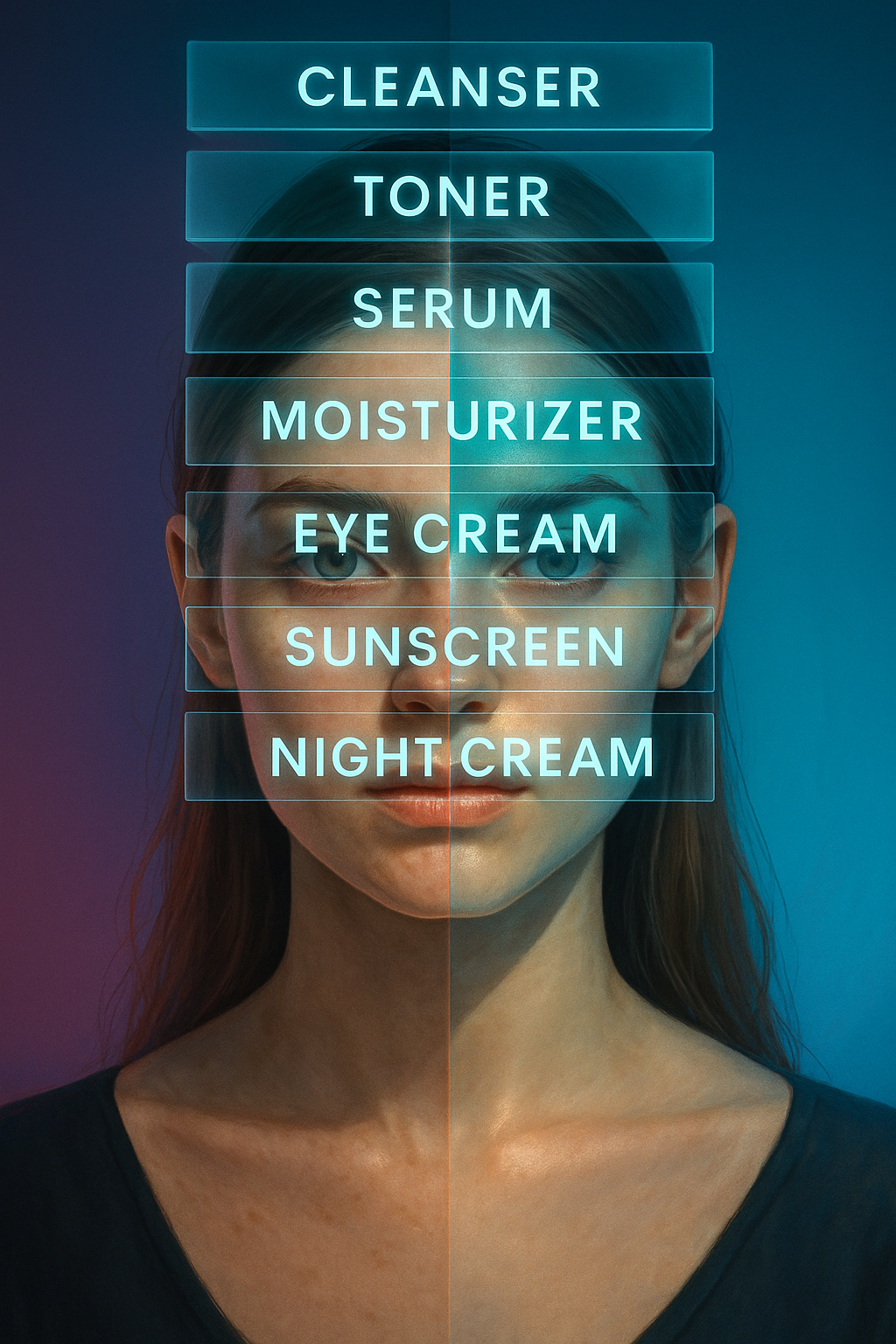
- Focus on barrier repair. A simple routine — gentle cleanser, fragrance-free moisturizer, and sunscreen — is generally recommended during recovery. The Cleveland Clinic notes that ceramide-containing moisturizers may help support a compromised skin barrier while it heals.
- Reintroduce gradually. Many clinicians suggest resuming at a lower frequency (for example, every third night) once skin has calmed, then slowly working back up, sometimes using a “sandwich method” (moisturizer, then tretinoin, then moisturizer again) to buffer the initial reintroduction.
- Watch for signs it’s more than routine irritation. Spreading rash, significant swelling, or symptoms that don’t improve within a week or two off the product are reasons to check in with a dermatologist rather than self-manage.
When to loop in a dermatologist
If irritation keeps recurring even with breaks and buffering, or looks like a distinct condition (persistent facial redness and visible vessels can point toward rosacea, for instance), it’s worth having a dermatologist take a look in person. They may suggest a different retinoid formulation, a lower concentration, or an entirely different approach — this kind of individualized adjustment is exactly what a clinician is best placed to guide, since skin type, concurrent products, and medical history all factor in.
This article is for general educational purposes and is not a substitute for personalized medical advice. If you have a persistent or worsening skin reaction, please consult a dermatologist or your prescribing provider.