By Gemifys
If you’ve started a retinoid-based routine — whether that’s adapalene, tretinoin, or a combination product paired with benzoyl peroxide — and the visible improvement seems to have stalled after a promising first couple of weeks, you’re not imagining it. This is one of the most common frustrations people report in online skincare communities, and there’s a well-documented physiological reason behind it.
Why progress isn’t linear
Retinoids (including over-the-counter adapalene and prescription tretinoin) work by speeding up skin cell turnover and normalizing how cells inside pores shed. According to the American Academy of Dermatology (AAD), it typically takes eight to twelve weeks of consistent use before people see meaningful improvement in acne, and it can take longer for post-inflammatory marks to fade. A burst of early “glow” or minor initial improvement, followed by an apparent plateau, is a normal part of this timeline — not necessarily a sign that the product has stopped working.
There’s also a well-known phenomenon called “purging,” where increased cell turnover temporarily brings existing microcomedones to the surface faster, sometimes making skin look worse before it looks better. The AAD’s guidance on retinoid use notes that irritation, dryness, and temporary flare-ups are common in the adjustment period, particularly in the first four to six weeks.
What may help during a plateau
- Give it more time before changing course. The Cleveland Clinic’s overview of retinoid therapy notes that visible results generally build gradually over several months, not days or weeks.
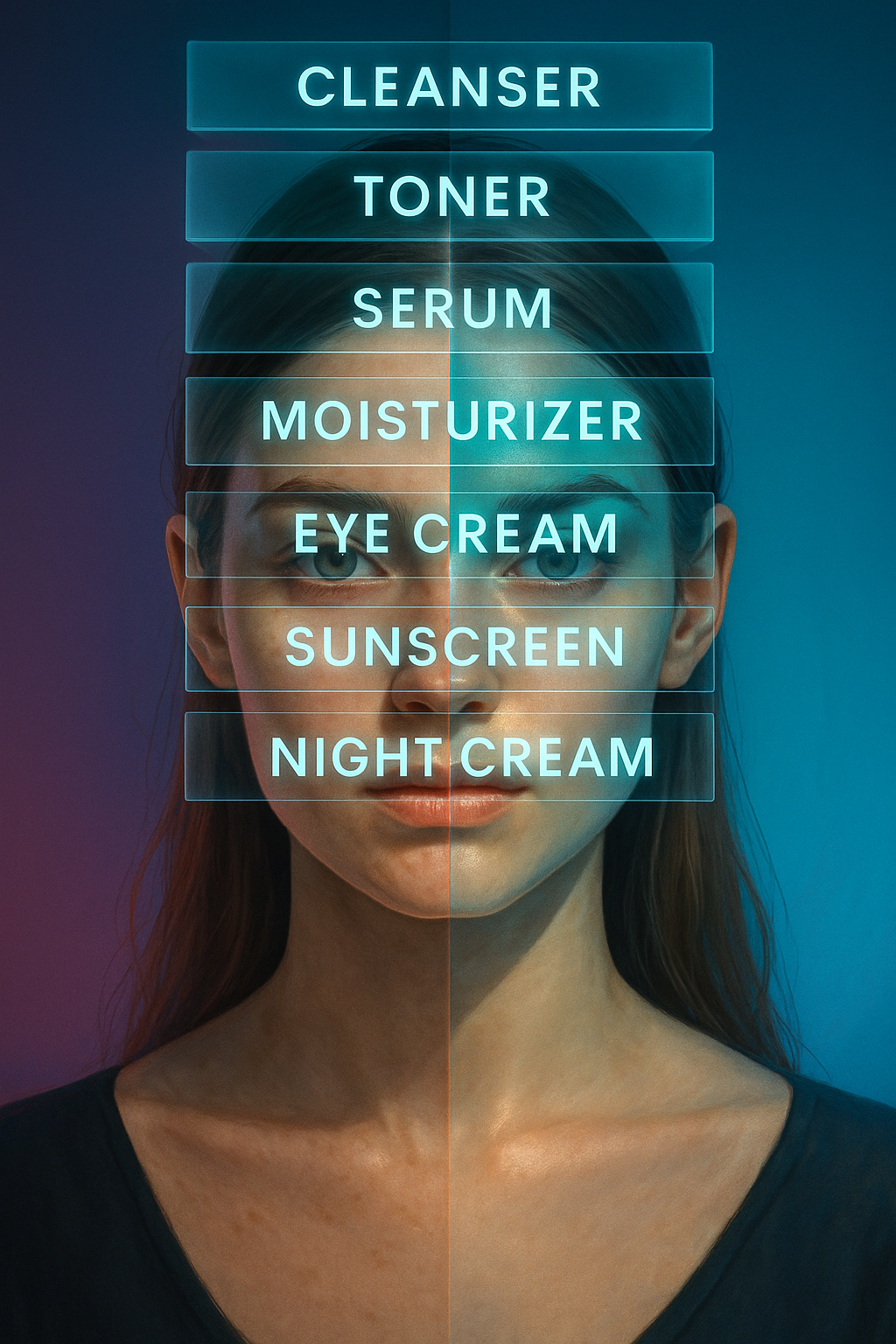
- Watch for signs of over-exfoliation. Combining a retinoid with multiple active ingredients (azelaic acid, benzoyl peroxide, additional exfoliants) can sometimes compromise the skin barrier, which may blunt visible progress. The National Institute of Arthritis and Musculoskeletal and Skin Diseases (NIAMS) recommends a simple, consistent routine — gentle cleanser, the active treatment, moisturizer, and daily sunscreen — while the skin adjusts.
- Keep sun protection non-negotiable. Retinoids increase photosensitivity, and unprotected sun exposure can undermine progress and worsen post-inflammatory marks, per the Mayo Clinic.
- Track with photos, not just how skin feels day to day. Because change is gradual, weekly photos in consistent lighting tend to reveal progress that’s easy to miss in the mirror.
When it’s worth checking in with a dermatologist
If there’s been no improvement at all after three months of consistent, correctly-applied use, or if irritation is severe (significant peeling, burning, or spreading breakouts), that’s a reasonable point to check in with a board-certified dermatologist. They may suggest adjusting concentration, frequency, or combination therapy — decisions that are genuinely individual and depend on skin type, tolerance, and acne severity.
This article is for general educational purposes and is not a substitute for personalized medical advice. If you have concerns about your skin or a treatment plan, please consult a board-certified dermatologist.