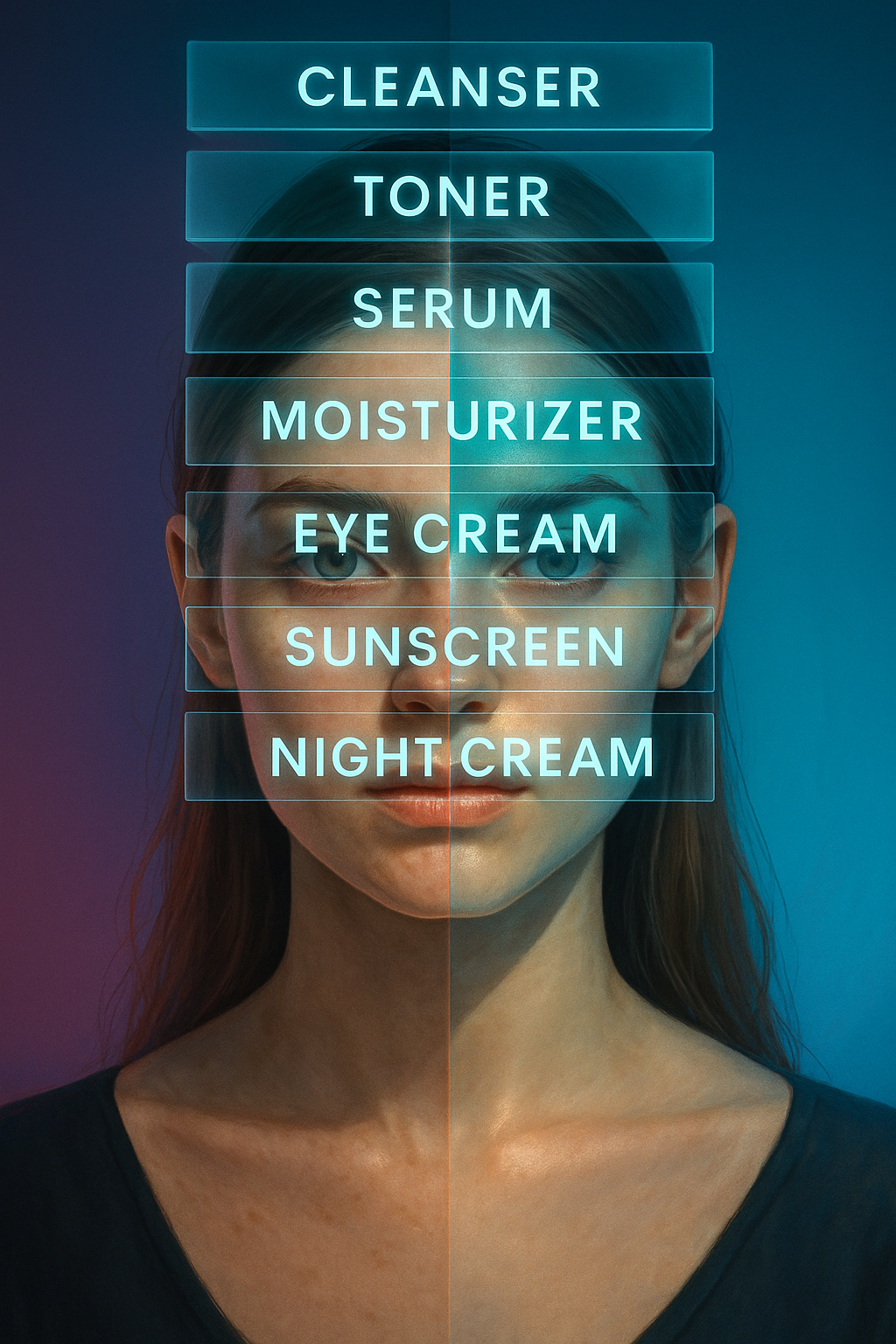

Starting tretinoin often comes with an uncomfortable phase that nobody quite prepares you for: flaking, redness, and skin that looks worse before it looks better. It’s one of the most common questions in tretinoin communities, and for good reason — the “purging” or peeling stage can last anywhere from a few weeks to a couple of months, depending on your skin, your strength, and how your routine supports the process.
Why tretinoin causes peeling in the first place
Tretinoin is a retinoid, a vitamin A derivative that speeds up skin cell turnover. According to the American Academy of Dermatology (AAD), this accelerated turnover is exactly what makes retinoids effective for acne and photoaging — but it’s also what causes the dryness, flaking, and irritation many people experience when they first start, sometimes called “retinization.” The AAD notes this adjustment period commonly lasts around two to six weeks, though some people report it taking longer, especially at higher concentrations or with more frequent use.
How long peeling typically lasts
There’s no single universal timeline — skin type, concentration (like 0.025% versus 0.05%), application frequency, and how well the skin barrier is being supported all play a role. Cleveland Clinic and other dermatology resources generally describe an initial adjustment period of several weeks before skin begins to tolerate the retinoid more comfortably. Ramping up frequency too quickly, as can happen after missing a week and returning to a more intense schedule, may prolong or worsen the peeling rather than speed up results — patience with a slow, consistent introduction tends to be the better-supported approach.
What may help during the adjustment period
- Buffering/sandwiching: Applying a gentle, fragrance-free moisturizer before and after tretinoin (or waiting 20–30 minutes after cleansing before applying) is a widely recommended strategy to reduce irritation, per the AAD’s retinoid tips.
- Simplify the rest of your routine: Introducing multiple active ingredients (like hyaluronic acid serums, exfoliating acids, or new cleansers) at the same time as a retinoid can make it harder to tell what’s causing irritation. The National Library of Medicine’s overview of tretinoin notes that a bland, consistent skincare routine alongside retinoid use supports better tolerance.
- Daily SPF: Retinoids increase sun sensitivity, so broad-spectrum sunscreen is considered essential during treatment, according to the FDA’s prescribing information for topical tretinoin.
- Frequency, not just strength: Some dermatology guidance suggests that if irritation is significant, reducing frequency (rather than switching moisturizers repeatedly) may allow the skin to adjust more comfortably before building back up to daily use.
When it may be worth checking in with a dermatologist
Mild flaking and some redness are considered a normal part of starting a retinoid for many people. However, according to Cleveland Clinic, signs like severe burning, blistering, or peeling that doesn’t improve after several weeks of consistent, well-buffered use are reasons to check in with a dermatologist or prescriber, who can adjust the concentration, frequency, or supporting routine.
This article is for general educational purposes and is not a substitute for personalized medical or dermatological advice. If you’re experiencing persistent or severe irritation from a retinoid, talk to your dermatologist or prescriber about adjusting your routine.
— Gemifys