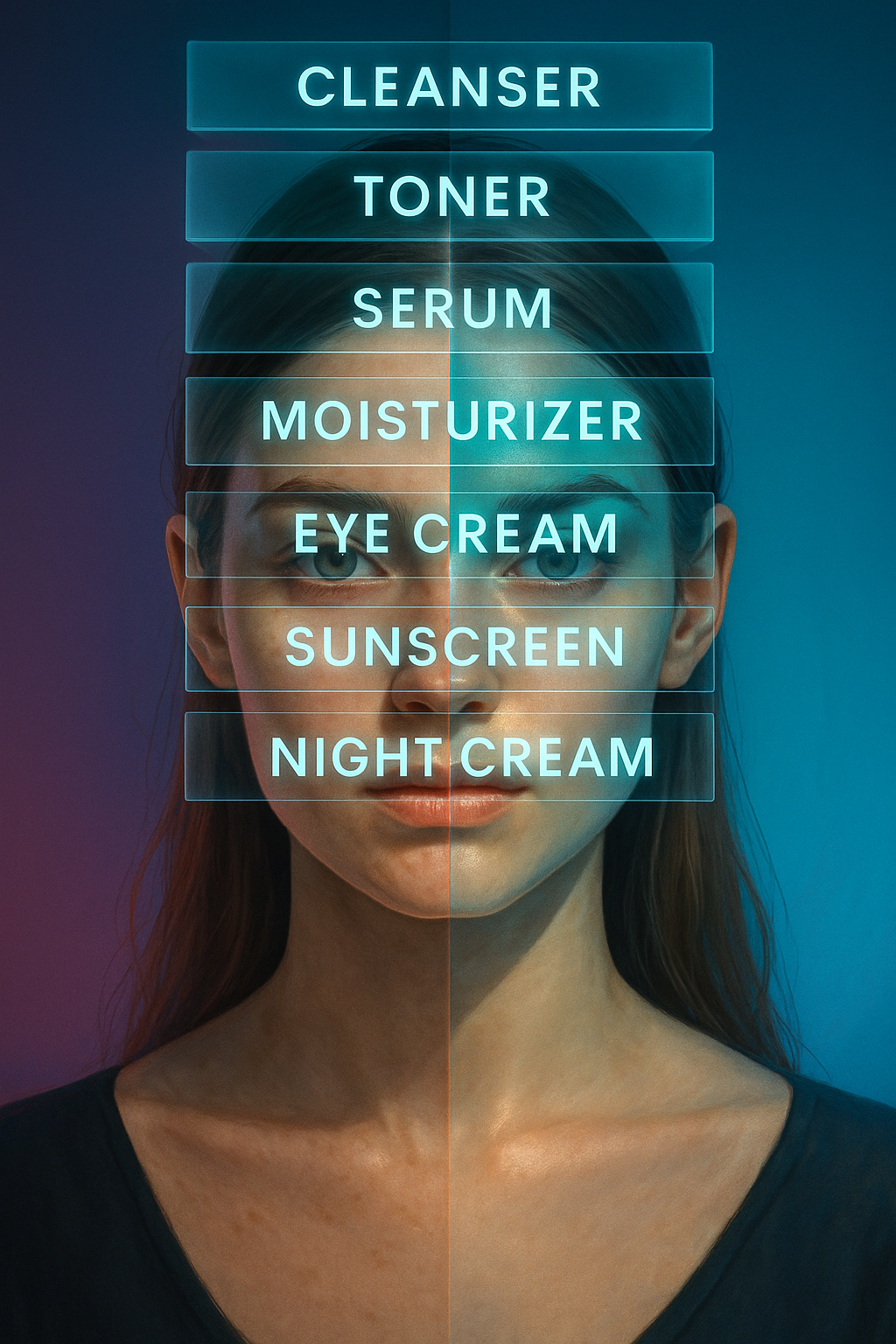

Starting tretinoin with oily, acne-prone skin creates a confusing moment at the bathroom sink: everything you’ve learned about avoiding heavy products for breakouts seems to work against what a retinoid-irritated barrier actually needs. The instinct to skip moisturizer entirely, hoping it will keep pores clear, is common — and it’s also one of the more frequent reasons people end up quitting tretinoin altogether.
Why moisturizer still matters on oily skin
Tretinoin increases skin cell turnover, and that process temporarily weakens the outer skin barrier, which can lead to dryness, flaking, and sensitivity even on skin that produces plenty of oil. According to the American Academy of Dermatology, a broken barrier from retinoid use can actually increase irritation and breakouts if it isn’t supported with the right hydration — the goal isn’t to avoid moisturizer, it’s to choose the right kind.
What to look for in a moisturizer
For combination or acne-prone skin using tretinoin, dermatology guidance generally points toward lightweight, non-comedogenic formulas rather than heavier creams. Ingredients research suggests are worth prioritizing include:
- Hyaluronic acid — a humectant that draws water into skin without adding oil, discussed by the Cleveland Clinic as generally well tolerated across skin types.
- Glycerin — another humectant commonly used in oil-free formulations.
- Niacinamide — some research summarized by the National Institutes of Health suggests it may help support barrier function and regulate oil production, though individual results vary.
- Ceramides — lipids that occur naturally in skin and help reinforce the barrier that retinoids temporarily disrupt.
Look for products labeled “non-comedogenic,” “oil-free,” or “gel” or “lotion” texture rather than balm or cream-based products with occlusive oils, which are more likely to feel heavy on oily skin.
Timing can help too
Many dermatologists recommend a “buffering” approach for sensitive starts: applying a gentle moisturizer, waiting a few minutes, then applying tretinoin, or applying moisturizer after the retinoid has absorbed. This may help reduce peak irritation while your skin adjusts. The Mayo Clinic notes that mild peeling and dryness are common when starting retinoid treatment and often improve over the first several weeks.
When to check in with a dermatologist
If dryness, redness, or breakouts are severe, persistent, or getting worse rather than better after a few weeks, it’s worth checking in with a dermatologist. They can help adjust your routine, recommend a specific product suited to your skin, or adjust how often you’re applying tretinoin. This article is general education, not a substitute for individualized dermatologic advice.
— Gemifys