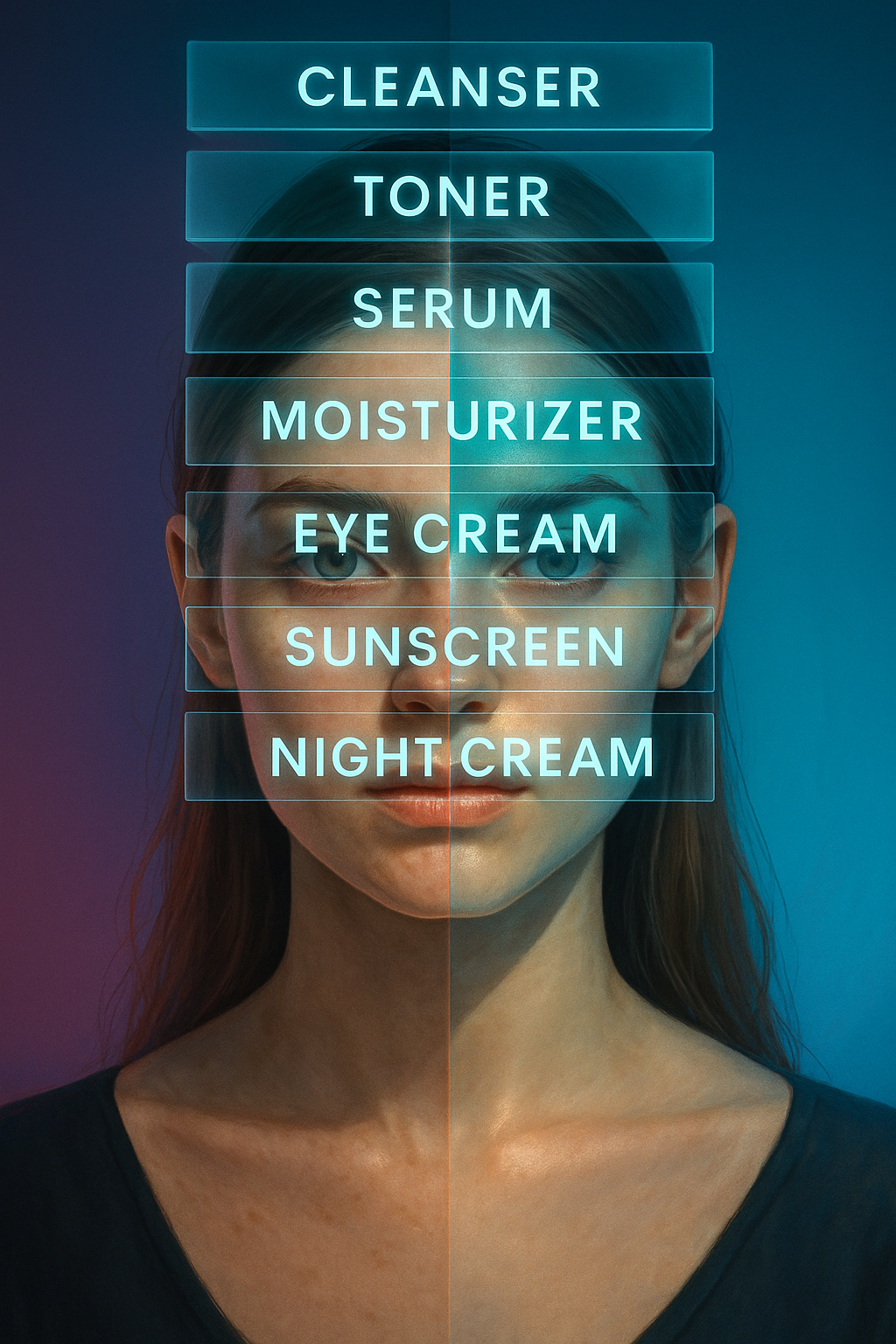

One of the most common points of panic in the first few months of a tretinoin routine is watching your skin get visibly worse instead of better. Before assuming something has gone wrong, it helps to know that there are two very different things that can be happening — “purging” and irritation — and they call for different responses.
What “purging” actually is
Tretinoin speeds up skin cell turnover, which can temporarily bring underlying microcomedones (the early, invisible precursors to pimples) to the surface faster than they would have appeared on their own. This is what’s commonly called “purging.” According to the American Academy of Dermatology (AAD), this adjustment period with retinoids is common and typically improves within a few weeks to a couple of months as the skin adapts — it’s frustrating, but it’s generally a sign the medication is doing what it’s supposed to do, not that something is wrong.
What irritation looks like instead
Irritation is a different pattern, and it doesn’t reliably improve just by waiting it out. Signs that you may be dealing with irritant or allergic-type contact dermatitis rather than a purge include:
- Redness, burning, or stinging that shows up in the same areas you apply the product, rather than typical acne-prone zones
- Swelling, especially around delicate areas like the eyes
- Bumps that look more like a rash than typical acne (uniform, itchy, or with a different texture than your usual breakouts)
- Symptoms that keep escalating rather than plateauing after 2–4 weeks
The Cleveland Clinic notes that retinoid dermatitis is a recognized and fairly common side effect, particularly when a retinoid is layered with other active ingredients (like additional acids or vitamin C) or applied too frequently for the skin’s current tolerance.
What tends to help either way
- Simplify your routine temporarily. Layering multiple actives — niacinamide, azelaic acid, vitamin C, exfoliating cleansers — alongside tretinoin can make it harder to tell what’s causing a reaction, and can compound irritation even if each product is fine on its own.
- Try the “sandwich” or buffering method (moisturizer, then tretinoin, then moisturizer again), which several dermatology sources describe as a way to reduce irritation without eliminating efficacy.
- Reduce frequency rather than stopping outright — for example, every third night instead of nightly — to give your skin barrier more recovery time between applications.
- Prioritize a bland, fragrance-free moisturizer and daily SPF, since retinoid use increases sun sensitivity and a compromised barrier is more reactive to everything else in a routine.
When to see a dermatologist rather than self-troubleshoot
If symptoms are severe, involve significant swelling (especially near the eyes), aren’t improving after simplifying your routine for a couple of weeks, or you have an event like a wedding coming up and need a faster, more reliable resolution, it’s worth booking an in-person or teledermatology visit rather than guessing. A dermatologist can distinguish purging from irritation from an actual allergic reaction on exam — something that’s genuinely hard to do accurately from photos alone — and can adjust your specific regimen accordingly. Per the Mayo Clinic, you should contact a healthcare provider if redness, swelling, or blistering is severe.
This article is for general educational purposes only and is not a substitute for personalized advice from a dermatologist or other qualified healthcare provider, who can assess your specific skin and routine.
— Gemifys