By Gemifys
If you’ve ever ramped up your retinoid routine only to end up with a face that’s red, stinging, and flaking more than when you started, you’re not alone. It’s one of the most common frustrations people run into with tretinoin and other retinoids: the line between normal “retinization” and a genuinely damaged skin barrier can be hard to see until you’re already past it.
What’s actually happening to your skin
Tretinoin works by speeding up cell turnover, which is exactly why it helps with acne and photoaging — but that same mechanism can also strip away the skin’s outer protective layer faster than it can rebuild. According to the American Academy of Dermatology, mild peeling, dryness, and redness are expected during the first few weeks of retinoid use and typically settle down as skin adjusts. A damaged barrier is different: it tends to show up as persistent stinging (even from plain water or moisturizer), tightness that doesn’t ease up, visible cracking, or new sensitivities to products that never bothered you before.
Increasing frequency too quickly — going from twice a week to nightly, for example — is one of the more common ways people tip from “adjusting” into “damaged.” Dermatology guidance generally recommends building up retinoid frequency gradually, often over many weeks, rather than on a fixed schedule that ignores how your skin is actually responding.
What may help while you recover
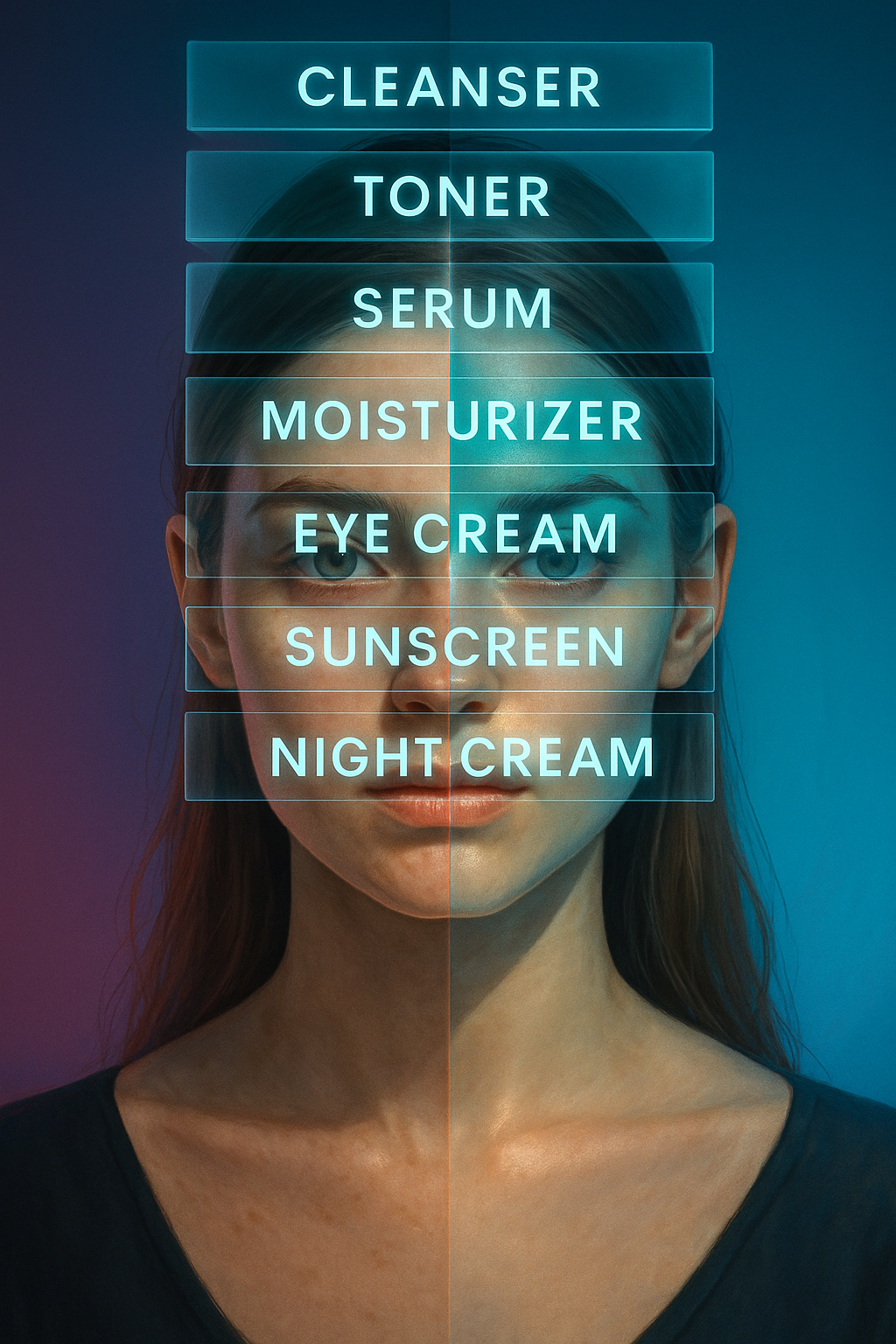
The general, widely echoed advice from dermatology sources for a compromised barrier is to simplify, not add more products. That usually means pausing the retinoid entirely, sticking to a gentle non-foaming cleanser, layering on a fragrance-free moisturizer (some people find ceramide-containing formulas soothing, though results vary person to person), and being diligent about daily sunscreen, since freshly damaged skin is more vulnerable to UV irritation. The National Institute of Arthritis and Musculoskeletal and Skin Diseases (NIAMS), part of the NIH, notes that skin barrier repair generally takes time and that reintroducing active ingredients too soon can restart the cycle of irritation.
How long recovery takes varies a lot — some people feel better within a week or two of stepping back, others need longer, especially if the barrier has been compromised repeatedly (as can happen when switching between retinoids like adapalene and tretinoin without enough recovery time in between). There isn’t a one-size-fits-all timeline, and what worked for one person’s skin may not translate to another’s.
If you’re developing what feels like a new sensitivity or allergic-type reaction to common skincare ingredients, that’s worth flagging to a dermatologist rather than working through on your own — a board-certified dermatologist can help distinguish irritant contact dermatitis from a true allergy and adjust your regimen accordingly. This is general information, not a substitute for personalized care, and it’s not meant to diagnose or treat any specific skin condition.
Rebuilding tolerance, if and when you’re ready
Once skin has calmed down, many dermatologists suggest reintroducing retinoids far more slowly than the original attempt — sometimes once a week, applied over moisturizer (“buffering”) rather than directly on bare skin, and only increasing frequency once skin has clearly tolerated the current step for several weeks. Some people find they never need to get back to nightly use to see benefits, and that’s a perfectly reasonable place to land. Retinoid tolerance is highly individual, and there’s no shame in going slower than you’d like.
This article is for general educational purposes only and is not a substitute for professional medical or dermatological advice. If you’re experiencing persistent skin irritation, signs of infection, or a possible allergic reaction, please consult a board-certified dermatologist.